

Pocophone POCO F2 Pro by Xiaomi - Long-Term Review
Our Chief Aperture Officer, Lukasz, presents a long-term review of the POCO F2 Pro by Xiaomi. We discuss all of the aspects of the device, including the build, screen, software, cameras and connectivity. Check it out to see how he enjoyed using it as his main device for over 6 weeks.
We’ve been covering the Pocophone POCO F2 Pro by Xiaomi on the Tech Travel Geeks YouTube channel, including unboxing it and setting it up with MIUI 12, as well as sharing a detailed camera review and some sample footage.
After around 6 weeks of using it as my main device, I’m keen to share my thoughts on the build quality, performance, cameras, connectivity and overall thoughts about the device. Check our full video review embedded below, or continue reading for the written form instead.
You can get the Xiaomi POCO F2 Pro on Amazon here (affiliate link): https://amzn.to/30w3C22
Build Quality

POCO F2 Pro’s build quality is premium and feels good in hand
The build quality is great, with both the front and back covered with Gorilla Glass 5 for protection, and an aluminum frame for stability. The back is slightly curved with matte finish, making it feel quite premium. It looks good in the hand, but it’s quite a bit slippery, so I’ve personally been using a flip case, as I usually do - check our unboxing and first impressions video below.
One of my favourite design features is the red power button, which stands out quite nicely and is very recognizable. I also like the design of the circular camera unit, which comes with some great detailing and an embossed circle surrounding it.

POCO F2 Pro’s power button has a distinct red colour
The one thing I miss here is waterproofing. The phone is fine with some splashes of water and protected from dust, but I wouldn’t recommend putting it under water. I personally consider it quite an important feature, so it’s too bad that it’s not available here.
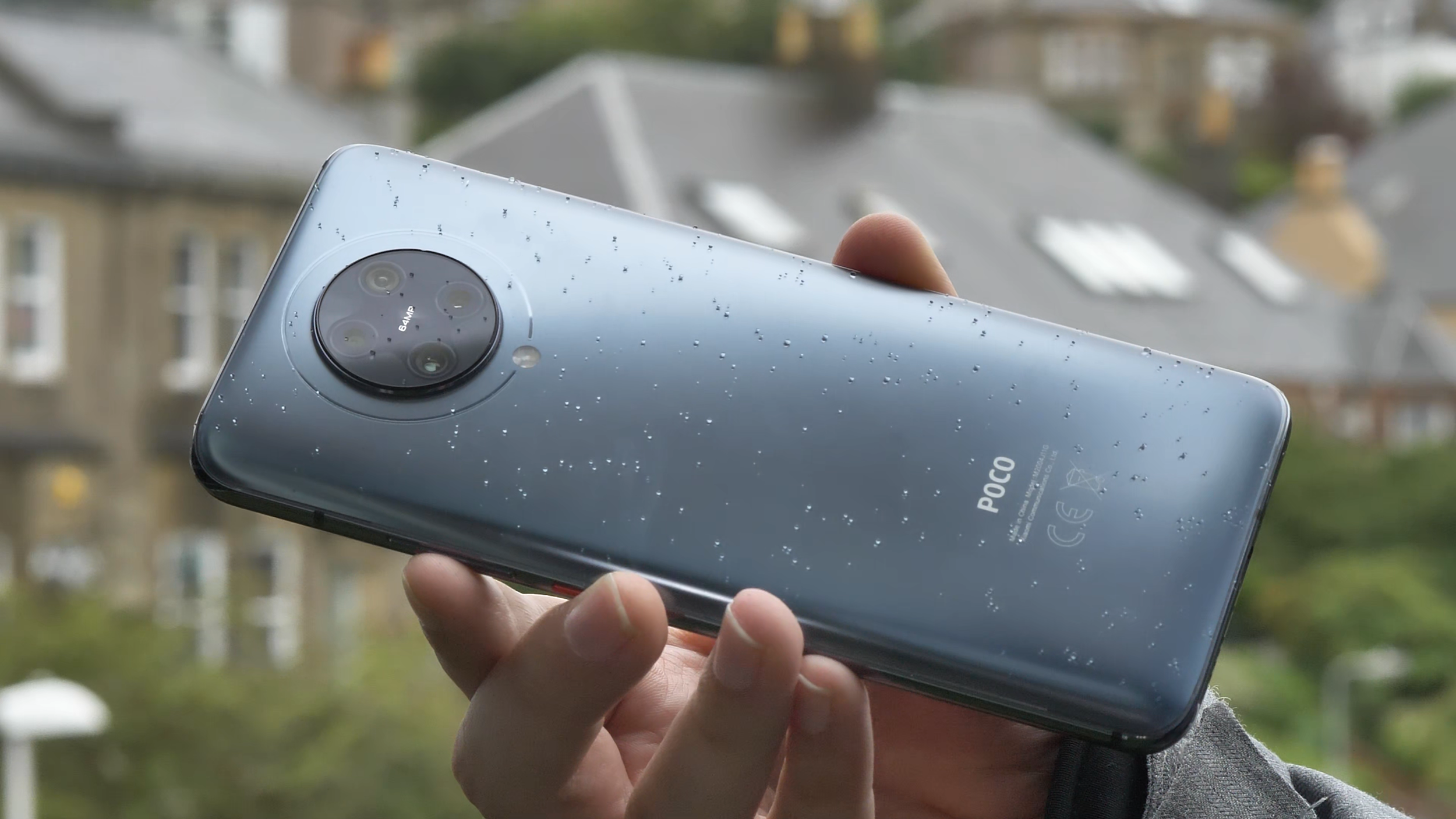
POCO F2 Pro lacks waterproofing, but can survive a bit of Scottish rain
The other thing to note is that the phone is quite chunky and heavy at 218 grams, and quite big thanks to the massive screen, which we’ll discuss just now.
Screen
The screen on the Poco F2 Pro is really good. It’s a Super AMOLED 6.67 inches diagonal screen with a 1080 x 2400 FullHD+ resolution and 20 by 9 aspect ratio. It’s quite bright and I’ve not had any issues with viewing it in brighter environments, but then again, I live in Scotland, so I’m not too demanding. The colour reproduction is good and you can even configure the colour gamut to your liking in software - plenty of choice here. The screen also supports HDR+. Unfortunately, there are no high refresh screen options, so it’s stuck at 60Hz, rather than 90 or 120 in some more expensive competitors.

POCO F2 Pro’s screen is bright, but with no high refresh rates
One of the key features of the screen though is that it doesn’t have any notches or cut-outs, and the bezels are really small. That’s thanks to the pop-up camera, which hides when it’s not needed, and only pops up when you have to use the front-facing camera. That makes the viewing experience much more enjoyable, so I’ve been thoroughly enjoying watching lots of YouTube and some Netflix on it.

POCO F2 Pro’s pop-up camera
And before anyone asks - the pop-up mechanism retracts automatically when it’s falling and it’s quite robust, so we’re not expecting any issues with it.
Performance
Similarly to its predecessor, the Pocophone F1 (check our full video review on YouTube), the F2 Pro also sports a high end spec sheet. It’s powered by the Qualcomm Snapdragon 865 octa-core chipset, which at the time of release was the highest end processor you could get. It also uses a highly-performant Adreno 650 graphics card.
I’ve spent quite a lot of time playing different games on it, trying to make it sweat, but I’ve struggled to do so. That’s probably thanks to this phone’s LiquidCool cooling technology, which ensures that the chipset isn’t throttled at any point, so it’s running at full speed for longer.

Call of Duty Mobile works great on the POCO F2 Pro
I tried popular shooting games like Call of Duty Mobile and Fortnite, and both worked great. I tested some of the most demanding 3D games, and they all worked great as well. I even tried to play some high end emulators like Playstation 2 and GameCube, and again, it was just pure joy. I managed to get almost consistent 60fps and quick load times on PS2’s God of War, compared to just 30fps on my one and a half-year-older Huawei P30 Pro. So, if you’re into gaming, getting a Snapdragon 865 device is a great option. Playing some games on a screen with no bezels and with a good game controller is definitely great fun, no matter if you like to play online, casually or enjoy high end gaming.

God of War on the DamonPS2 emulator works flawlessly in constant 60 frames per second
To round off the specifications, our model came with 6GB of memory and 128GB of storage, but there’s also an 8GB RAM with 256GB storage model as well. Unfortunately, there’s no memory card support, so be mindful of that if you want to store a lot of large games and videos on your device. You can check your phone’s configuration using the beautifully presented and useful “about phone” screen, which nicely brings me to the software experience.
Software
Poco F2 Pro runs Xiaomi’s MIUI software. It was recently updated to the latest MIUI 12, make sure you check our setup video below. The software is now more refined, especially when it comes to animations. My favourite feature is “super wallpapers”, which currently include Earth and Mars. If you enable always-on display, you can see the globe, which will then zoom in and show the animated wallpaper. When you swipe left or right, the animation will move accordingly. Luckily, it doesn’t move all the time, so it doesn’t cause any dizziness. This is different to “live wallpapers”, which are actually live animations and are constantly moving. To be honest, it’s not really something for me, but I guess some people might like it.
Overall, I’ve been enjoying the software experience on Poco F2 Pro. It is smooth and dynamic, and the Poco launcher is great for me. I enabled the split notification bar with the control centre, reminiscent of the user interface of a certain fruity company, after I got the update, and I’ve been quite happy with it, but it definitely required some getting used to.
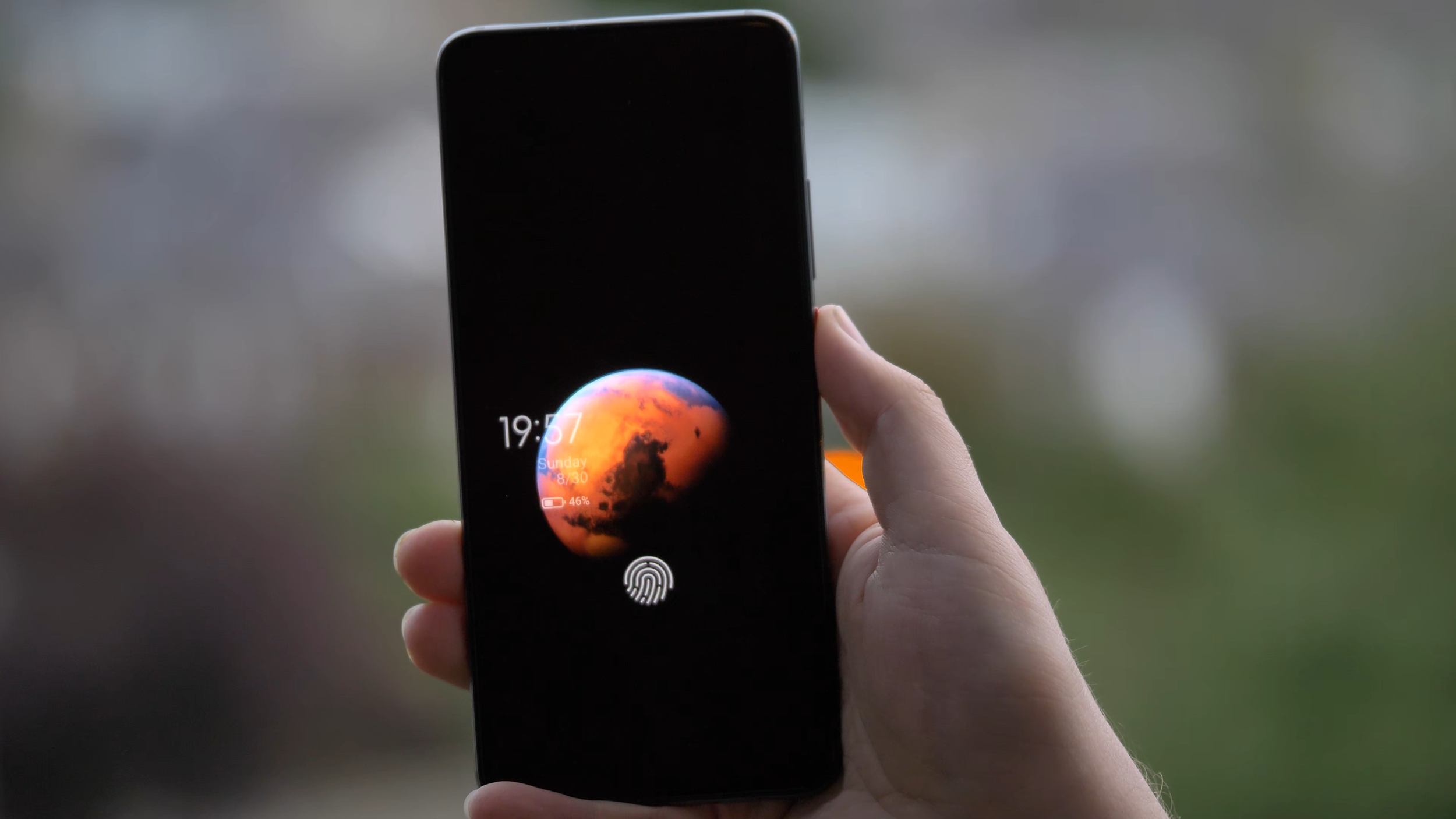
MIUI 12’s Mars “super wallpaper” is really impressive
I really liked how customisable everything is. For example, in the app drawer, I’m used to having the letters on the side to quickly jump to the app I’m looking for, but it was not there to start with. However, it turns out it’s easy to enable and works even better than I expected, as it temporarily highlights all the apps starting with that letter. The addition of search bar, frequently used apps and app categories to the side makes finding apps a breeze. You can even reorder those categories or disable some of them, that’s really great.

MIUI and the Poco Launcher are very customisable
When it comes to downsides, as mentioned in the setup video, there are quite a lot of preinstalled applications and games. Luckily, it’s possible to uninstall most of the apps and games from here, so it’s not a big problem. There is also some advertising within the software, including “promoted apps” in some of the folders. Luckily, you don’t have to use those folders and can create your own, so that’s not an issue either. You can also disable most of the ads - the one I removed was in the Security app. After installing apps from Google Play store, there is a security check for that app, and an ad pops up, but it’s possible to remove it easily, so it hasn’t been a problem for me.
As I was writing this section, I got a software update with the July 2020 security update and some fixes, including screen responsiveness when unlocking. I hope this helps with the fingerprint scanner, which brings me to the next point, security.
Security
When it comes to security, there are plenty of options. My usual favourite is the fingerprint scanner, which I’ve been using the most. Unfortunately, the under-screen reader on the Poco F2 Pro is not the best I’ve used. It is a bit slower than I’m used to, and I’ve had times when my fingerprint wouldn’t get recognized even after a few attempts. However, the animation is great and the haptic feedback is good, so it’s just that it’s not always recognizing my fingerprint fast enough.

POCO F2 Pro’s fingerprint scanner is nicely animated, but not the fastest or most accurate we’ve used
The other option, other than patterns and pass codes, is face unlock, which uses the pop-up selfie camera of the Poco F2 Pro. It’s actually fast and handy, but it requires an extra swipe to unlock and it takes a moment to happen. But it’s definitely a nice party trick, and the LED lights by the selfie camera are just mesmerising. Which brings us to my favourite section - cameras.
Photos
The Poco F2 Pro has quite a robust quad camera setup, consisting of a 64 megapixel f/1.9 main sensor, 13MP ultrawide lens, 5MP telemacro lens and a 2MP depth sensor for portrait shots. And overall, it does a good job to deliver nice photos, but not in all the situations. Let’s go through some examples.

POCO F2 Pro’s camera array
I really liked many of the photos taken with the main lens. By default, it does what’s called pixel binning, so it combines each 4 pixels into one that’s an average of the four, which is actually better, since each pixel is bigger and can collect more light. Because of that, most of the images are 16 megapixel, which is plenty for any camera. If you need 64 megapixel photos, you can enable that mode, but unless you need to shoot a photo for a billboard, I wouldn’t recommend it.




To take 64 megapixel photos, you need to use the Pro mode, which also allows you to control all the parameters like aperture, shutter speed, ISO or to focus manually. You can also shoot RAW photos in this mode - I wish there was an option to have RAW output in all situations, not just in Pro.

Pro mode in the F2 Pro’s camera app
I especially liked portrait and aperture photos, which came out quite nicely in most cases, probably thanks to the additional depth sensor. Look at this photo - you can see how the hair is nicely kept in focus, while the background is accurately blurred.

Portrait mode on POCO F2 Pro is quite good
However, I did have a few situations where the focus wasn’t right, especially for some objects. I was especially hoping for this photo to come out nicely, but instead of focusing on the flower, the camera focused on the hand. It’s still a lovely photo though.

POCO F2 Pro focusing on the hand rather than the flower
In some other cases, the colours were unfortunately a bit oversaturated, like this strawberry or some of the flower photos I took. Even more so, this was visible with the grass in some of the photos. It might be actually related to the auto HDR mode, which I normally have on, so you might want to be careful with that.



I really liked the wide angle lens, it complemented the main lens quite nicely. I managed to take some really nice photos with it, so no complaints, I really like taking nature photos with it, and it’s also great for some architecture photos.





The camera app also shows the option of two times zoom, but unfortunately, they’re just using the main lens and zoom in digitally, like you could do in any editing software by just cropping the image. Because of that, the photos come out a bit pixelated. It’s a bit of a shame, as having a good optical zoom lens is always great.

2x zoom images get pixelated as the images are cropped rather than using an optical zoom
The 5MP telemacro lens is instead used for macro shots. And they are actually quite nice if you remember to switch the super macro mode on. I especially like this photo of Thanos’s Infinity Gauntlet.

Macro mode on POCO F2 Pro is decent, but not as useful as a potential zoom lens
Poco F2 Pro’s night mode is decent, especially with the main lens. I’ve seen a few photos with some colour shift, but most of them were quite good. Check those really nice photos in Edinburgh during the festival of light here. Most of them came out surprisingly well, so no complaints from me. Just make sure to enable night mode, as the main lens’s aperture isn’t that wide at f/1.9.






Video
When it comes to video recording, I’m quite happy, especially with the wide range of resolutions and modes available. Check our sample video below, and for more sample footage, check our full camera review above, which has more samples embedded.
The mode most people will likely be using is 4K 30 frames per second, and I really like the video quality. If you haven’t already, make sure to check our sample video, link in the description. Both the quality and stabilization are really good. One thing to remember is to avoid really fast panning movements, but that’s the same for all cameras, as the rolling shutter affects mobile cameras quite a lot.
There’s also 4K 60 frames per second, which is great for a bit of slow motion footage - however, to make it slow motion, you need to use some editing software. What’s good about it is that you can record quite long videos with it, unlike some slow motion modes.
When it comes to slow motion, you get a range of different frame rates and resolutions, as with many modern phones. You can get bursts of up to 960 frames per second in HD resolution, and up to 240 frames per second in Full HD resolution. Just be careful, as you need a lot of good lighting for decent video quality.

The camera app offers a wide range of frame rates and slow motion options
Speaking of resolution, thanks to the Snapdragon 865 chipset, the Poco F2 Pro is capable of recording 8K video. Since the adoption of 8K screens is minimal, I’d say this is more of a gimmick for now, unless you have a very specific use case. Since it’s double the resolution and 4 times the number of pixels, you can zoom in after the fact and get additional framing without losing any quality. So if your video is supposed to be 4K, you can zoom in on the face, or in my case, the guitar, and still have great quality after the fact.
However, there are some downsides. First, the stabilization doesn’t work as well and there can be some stutter. The file size can get quite big. And finally, two of my Windows machines experienced strange issues with artifacts when viewing the footage in different media players, probably due to codecs. The problem disappears when you convert the footage or upload to YouTube though. However, for now, I’d say mobile 8K is not ready for prime time just yet .

8K video as viewed on VLC Media Player on Windows 10 with default codecs
The video from the wide angle lens has been really good as well, especially for nature shots. Check out the next clip, recorded in 4K using the wide angle lens and with audio straight from the phone.
The selfie video camera is all right. Unfortunately, there’s no wide mode and there’s no 4K, but the normal 1080p is good, as you can see from this short video from Dunfermline in Scotland. The dynamic range is also good.
Overall, I’m very happy with the video capabilities of the Poco F2 Pro, and quite impressed by close up videos.
Overall Camera Thoughts
All in all, I’m really happy with the cameras on the Poco F2 Pro. They’re quite flexible thanks to a good main sensor and a capable wide angle lens. I especially liked the aperture shots, but I might just be overusing them a bit. It’s too bad there’s no real telephoto lens, but it’s understandable at this price point. The video capabilities are really good, especially the image stabilisation and the wide range of modes, so I’m really happy about that. Granted, it’s not the best camera set you can find on a phone right now, but if you’re looking for a very reasonably-priced phone with excellent performance and a good set of cameras, I would recommend this as a potential option, especially if you find a good deal for it.
Battery life and charging
The battery life on the Poco F2 Pro has been fantastic. The device is powered by a huge 4700 milliamp hour battery and it easily lasts the full day of heavy usage. I’ve had more than 7 hours of on-screen time, and that’s really impressive.

The battery is really great, managing a full day’s worth of usage and more
The phone comes with a 30W fast charger, which should charge your phone in just over an hour. In my testing, it wasn’t as fast unfortunately, but I got from 5% to 25% in 13 minutes and to full in one hour 45 minutes, which is still good for such a big battery.

Unfortunately, there’s no wireless charging, which is quite unfortunate, but was needed to keep the price lower.
Connectivity
As far as connectivity is concerned, the phone actually supports 5G, which is a first for me. Recently, the Three network enabled a tower here in Edinburgh, also thanks to our Chief Mobile Opinionist, Matteo, who requested it for our phone tests, thanks for that! On our walk, we got amazing download speeds of more than 600 megabits per second, which is almost twice the fastest broadband I was able to get. This is just crazy. One thing to note, the connection was appearing as either LTE or 4G+ rather than 5G, while Matteo’s OnePlus Nord was showing up as 5G, but the speeds were very similar. Either way, more than half a gigabit per second is crazy fast, so I’m looking forward to seeing it available in more places than just near that one tower in Edinburgh.

While not recognized as 5G, POCO F2 Pro’s download speeds get to around 600Mbps near 5G towers
Other than that, you get all of the latest connectivity options like Bluetooth 5.1, so you can connect all of your favourite devices, as well as WiFi 6 and NFC for payments, which are all great to see. It also supports dual SIM, if that’s something you need.
Audio
The other thing worth mentioning is audio quality. Unfortunately, the phone only comes with a single down-facing speaker which is of decent quality, but a stereo set would be much appreciated.
On the positive side, the phone sports a 3.5mm courage port or headphone jack, so I’m able to rock the Sony XM4 headphones both wirelessly or with a wire. This should help when we’re back travelling, in case I run out of headphone battery.

POCO F2 Pro sports the courage port, also known as the headphone jack
Conclusion
Overall, I’ve really been enjoying using the Poco F2 Pro so far. It’s a great device with excellent performance and smooth software experience at a price much lower than most flagship devices. I got my 6GB version from BangGood for £380, shipped from Spain, but the price is actually going further down and can be found unlocked for around £350, which is amazing.
Granted, the camera setup could be better if there was a proper telephoto lens, the waterproofing and wireless charging are missing, and some might want faster screen refresh rates, but I found those missing features reasonable and have been really happy with my purchase. I’ll definitely continue using this phone, if only to play some games with the highest performance available.
Thanks for checking this detailed review of the Pocophone POCO F2 Pro by Xiaomi. If you haven’t already, make sure to subscribe to our YouTube channel to get notified about our latest videos.

Huawei P40 - All The Tech Travel Geeks Content
This is where you will find all the Tech Travel Geeks content we have created about the Huawei P40.
The Huawei P40 is available to purchase on Amazon here: https://amzn.to/2zSYGdZ
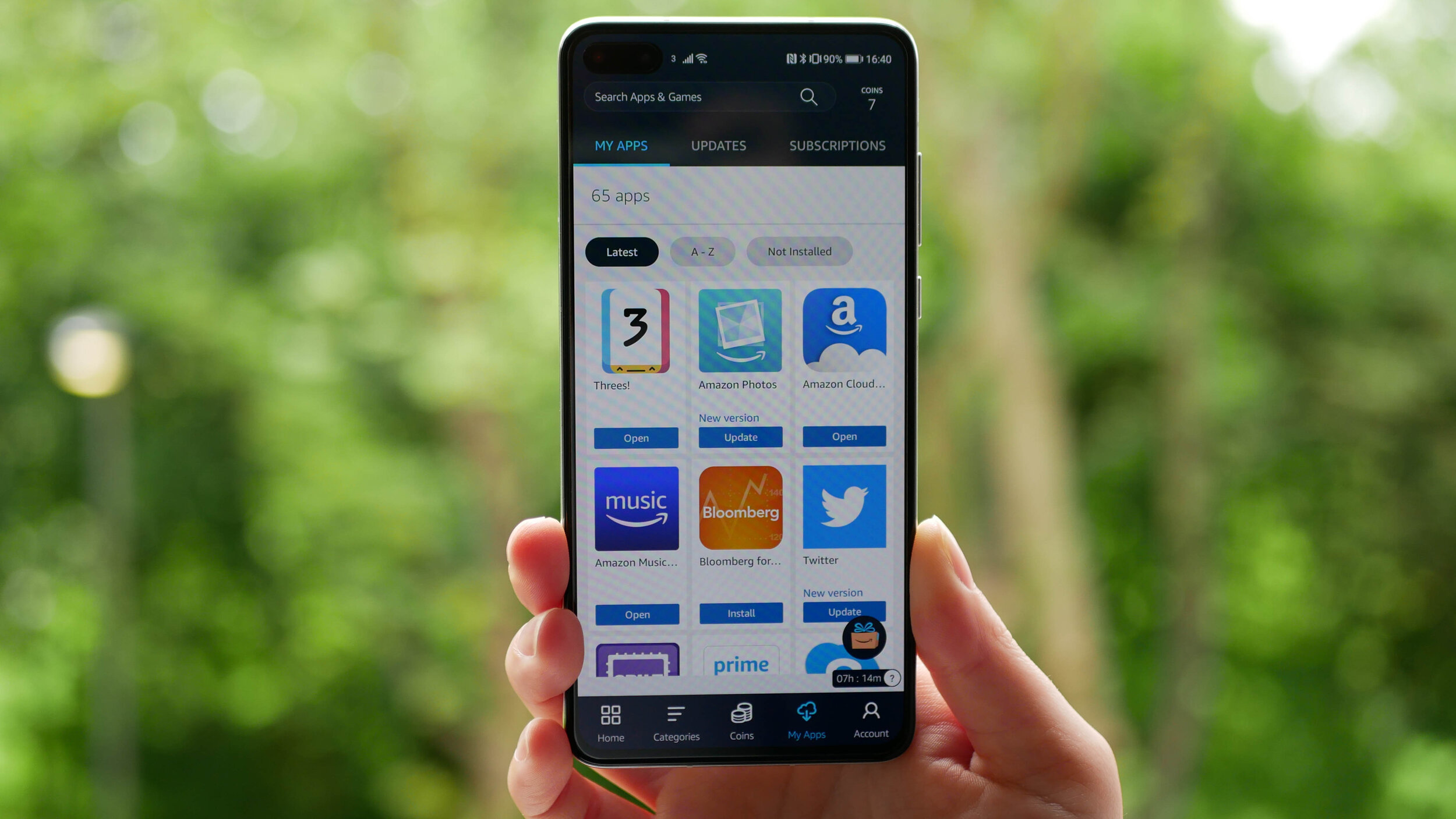
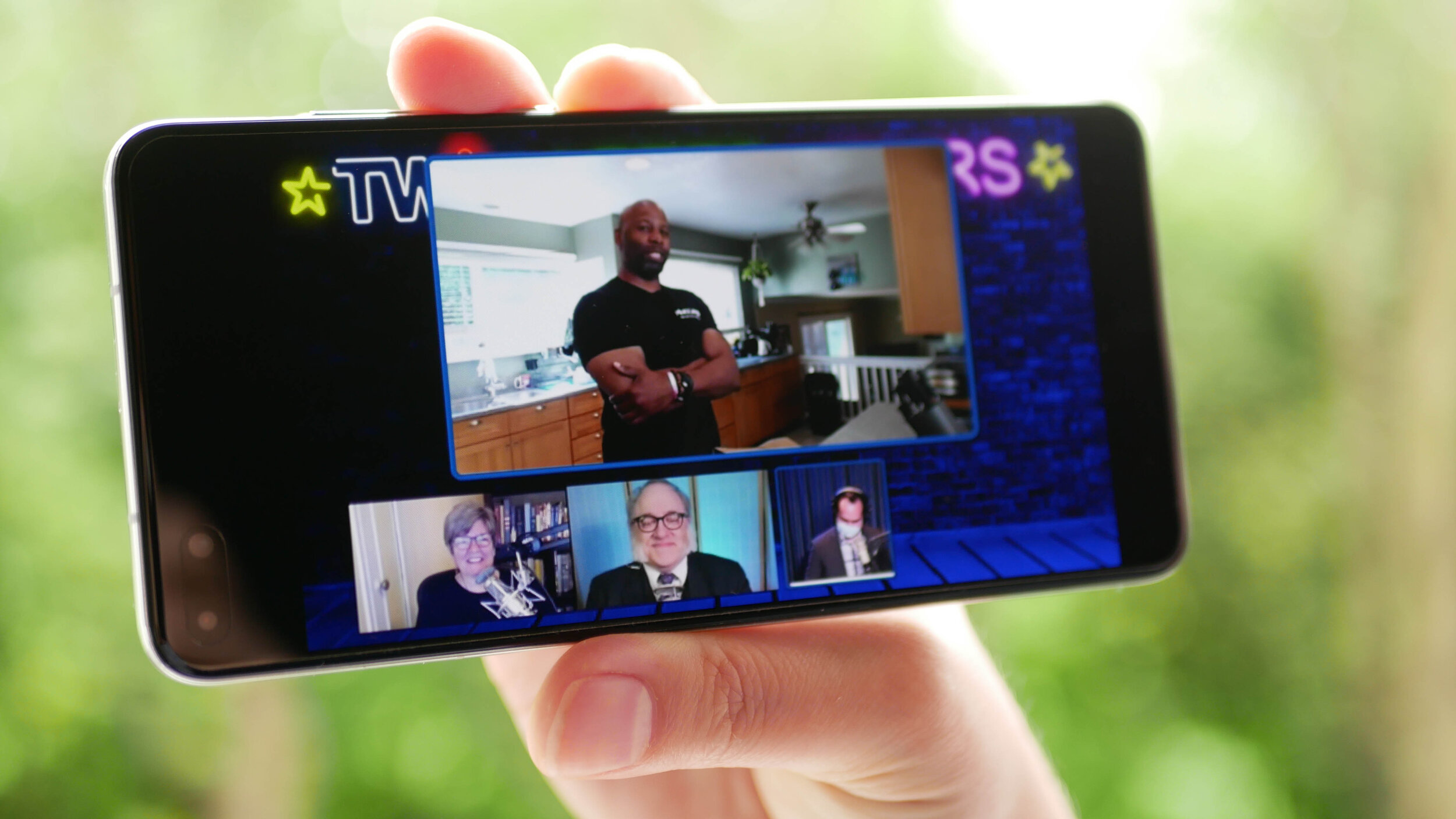
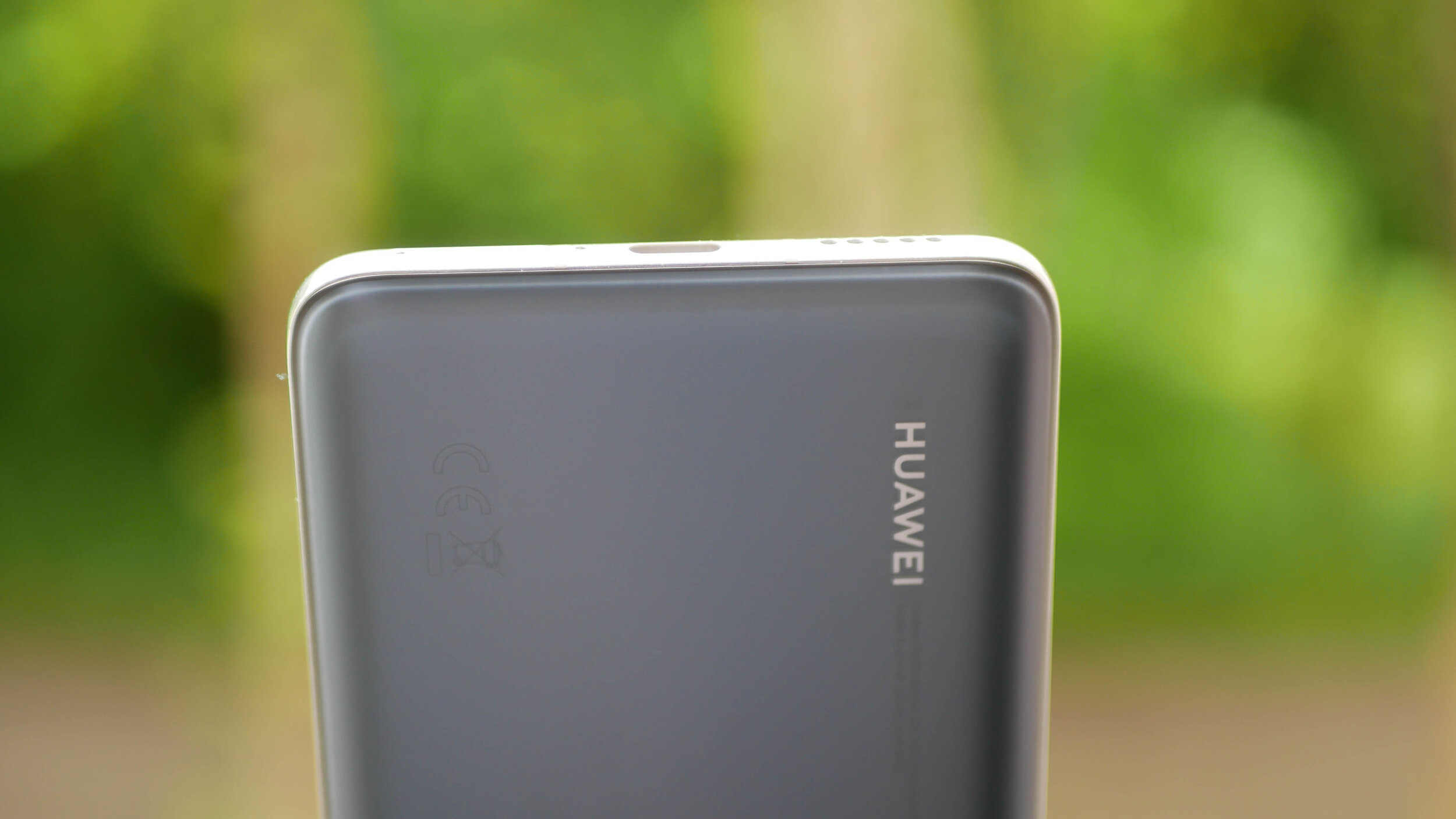
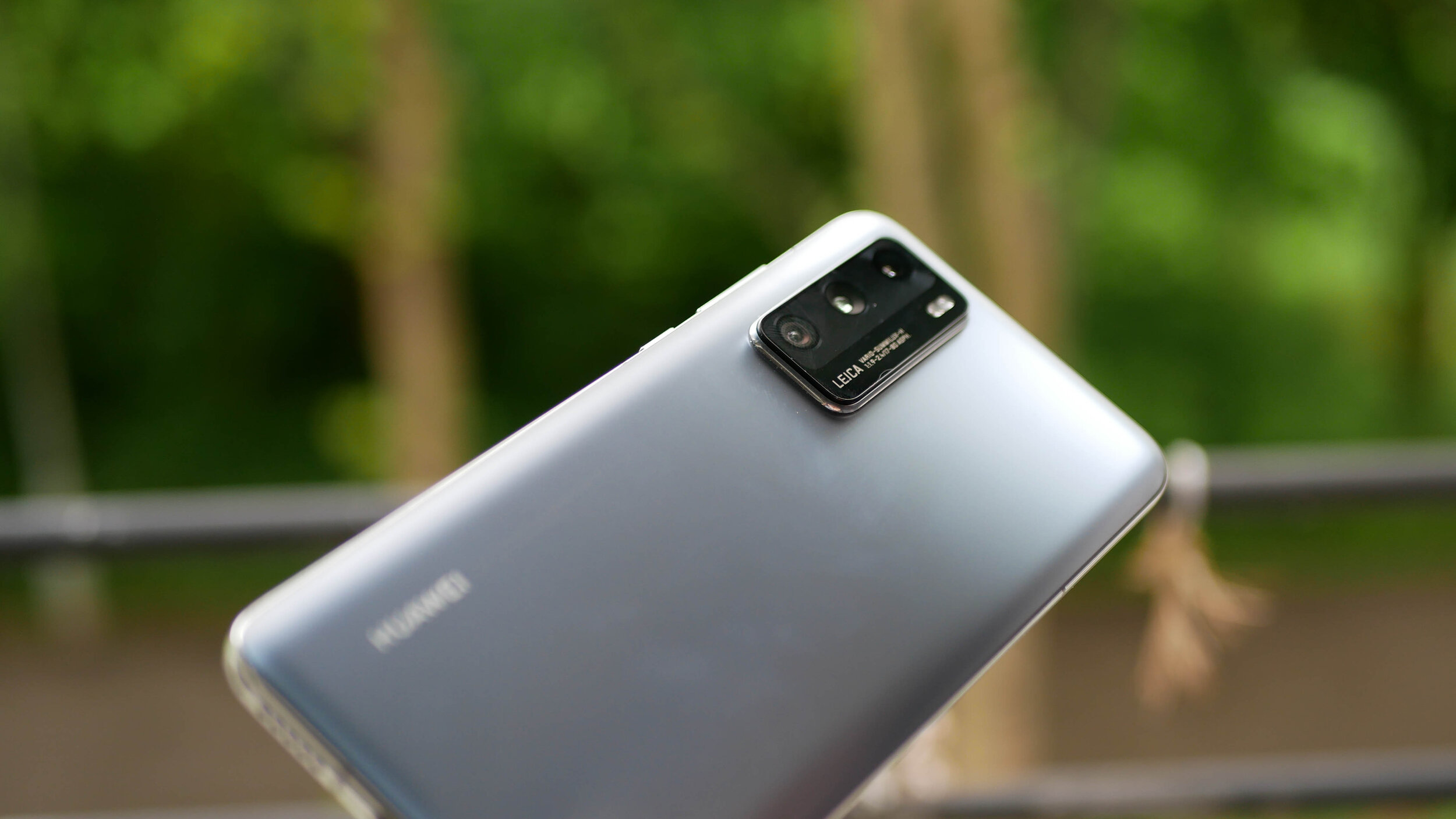
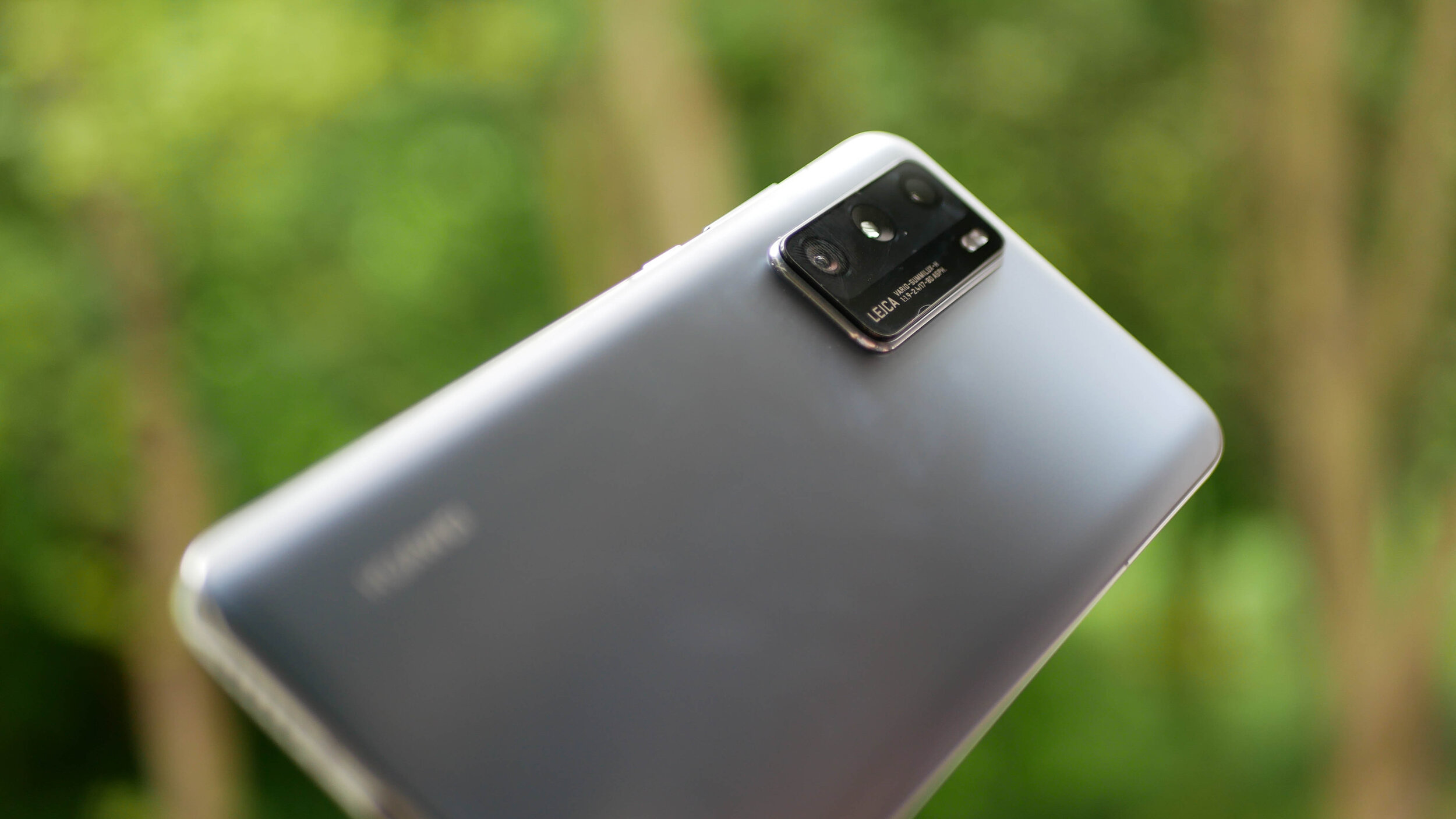
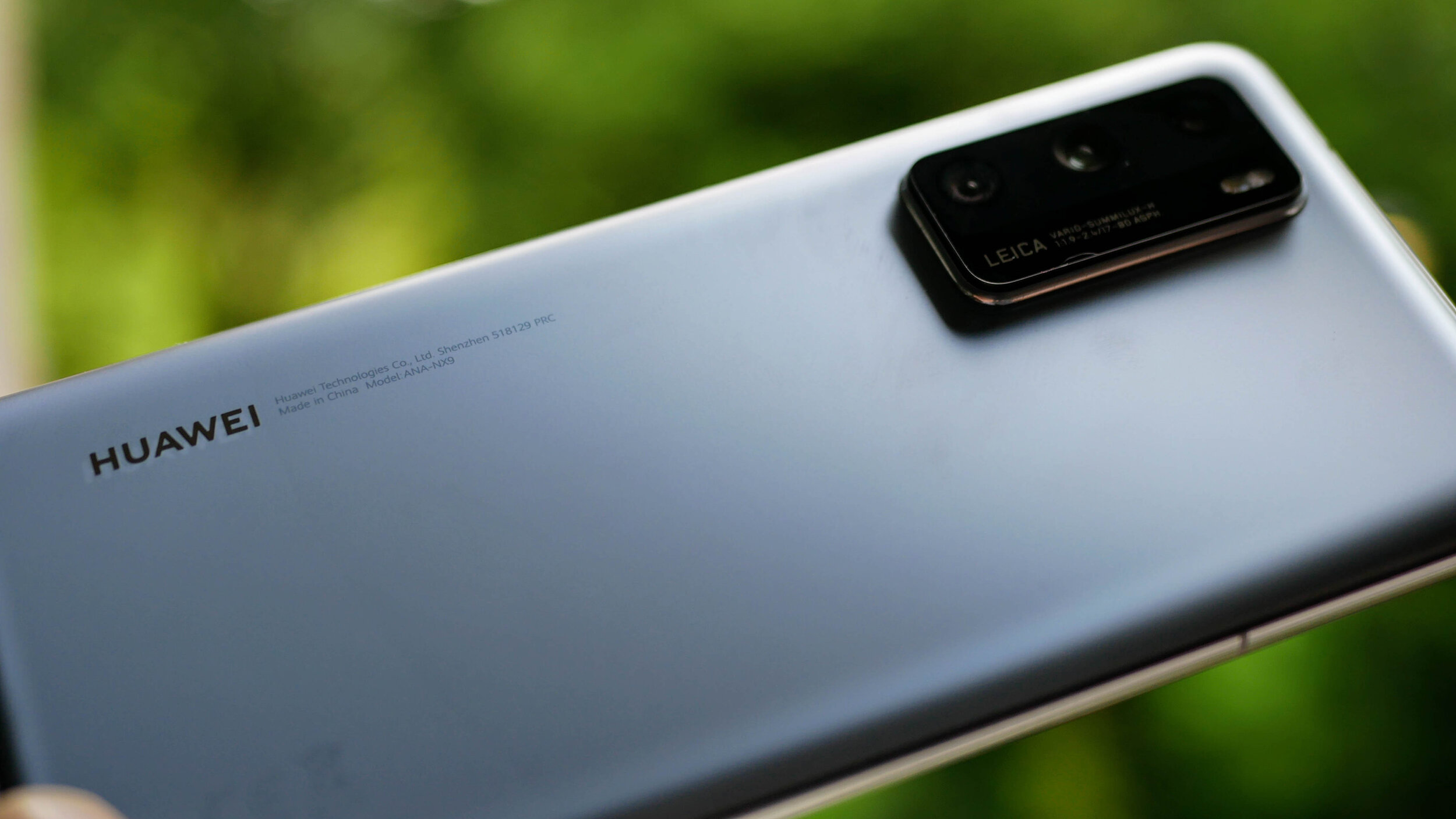
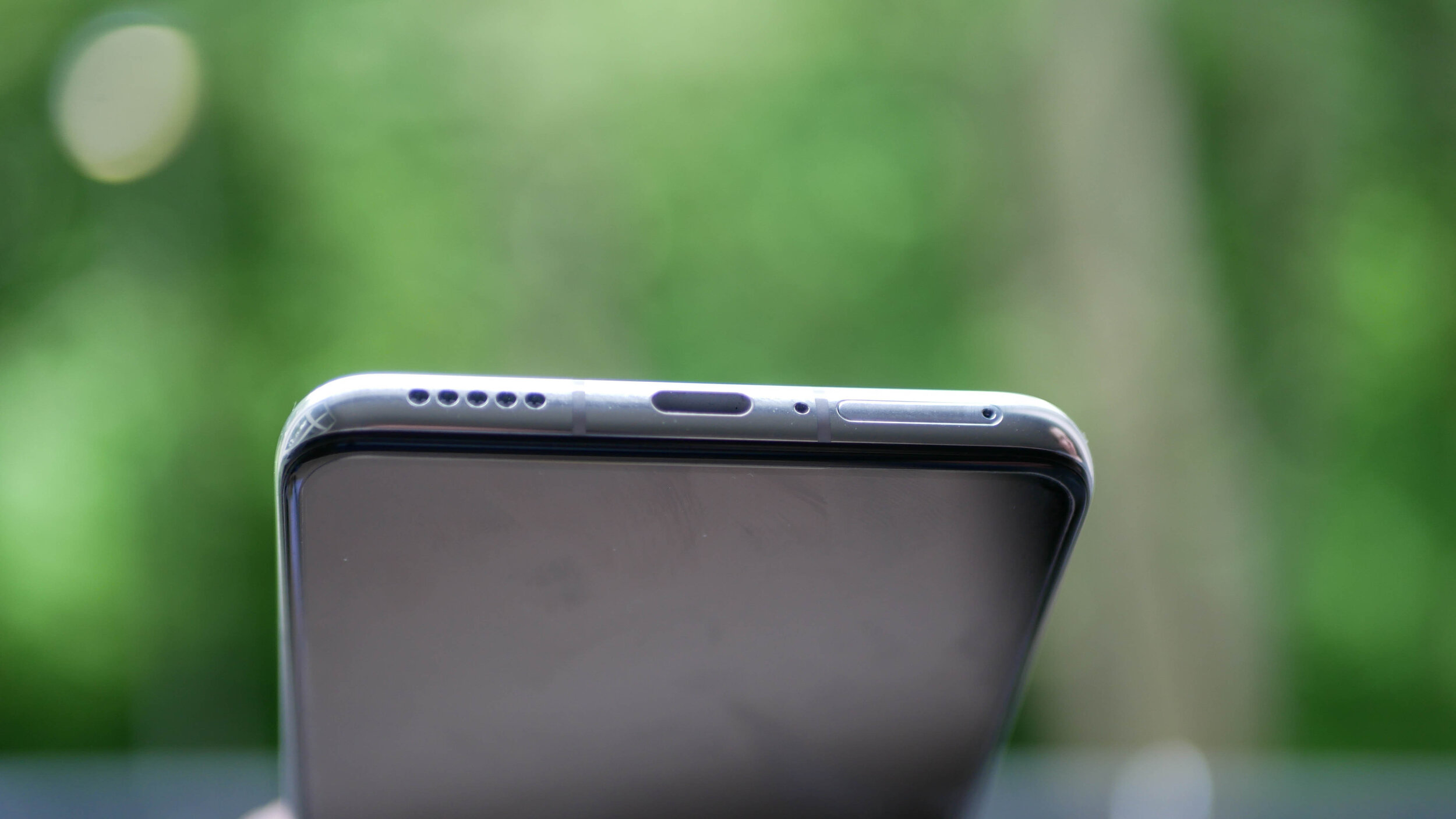
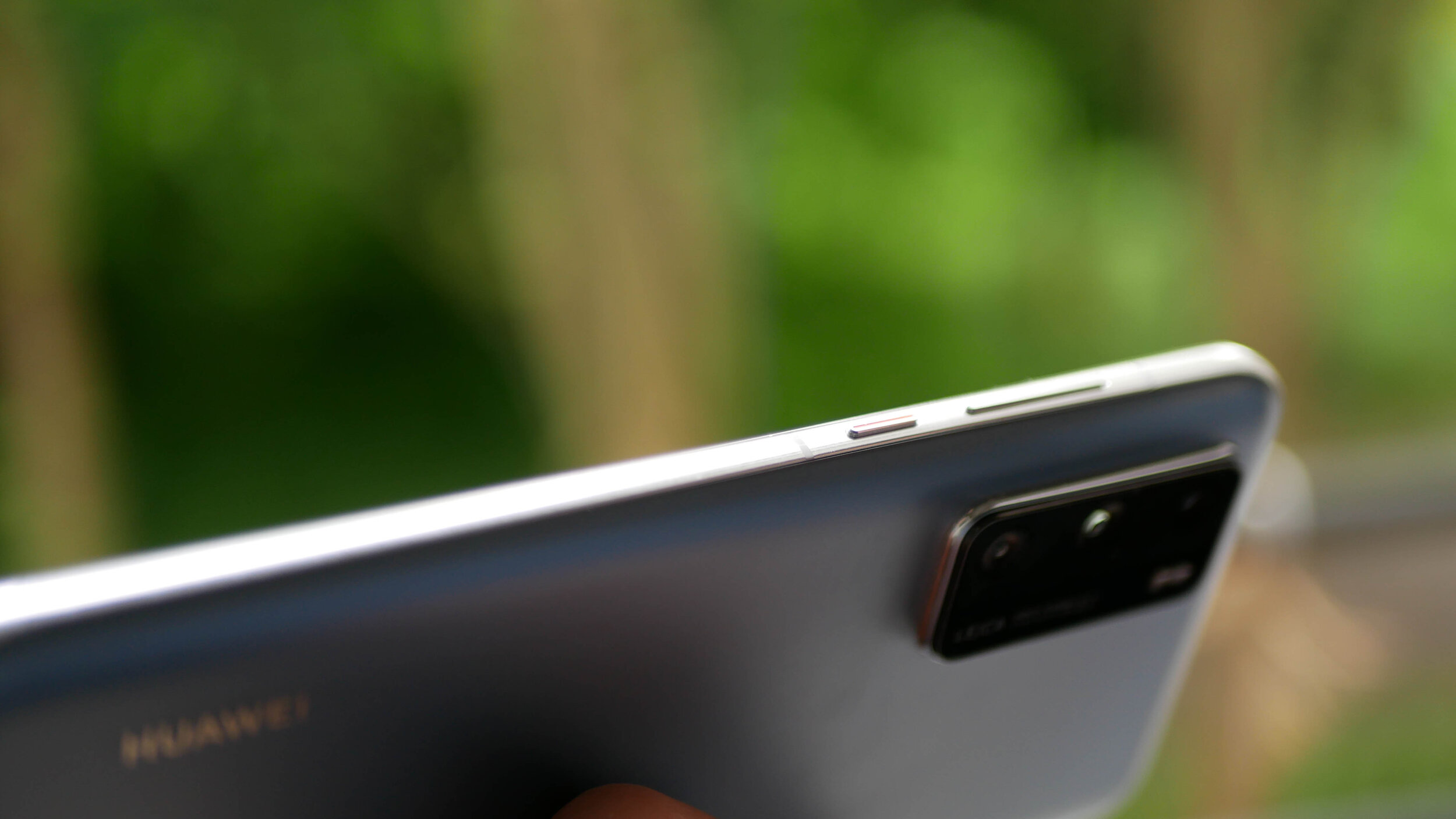
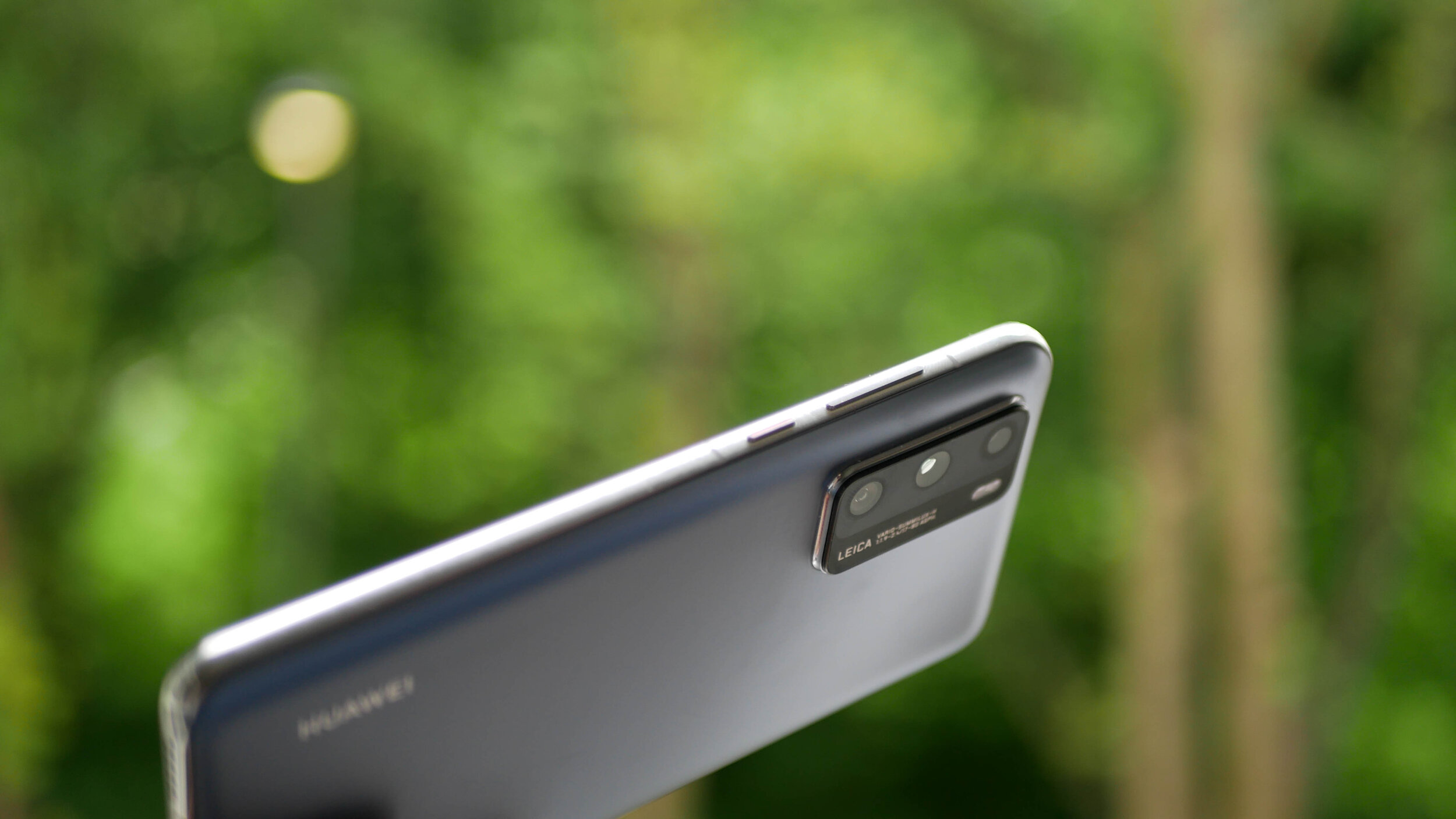
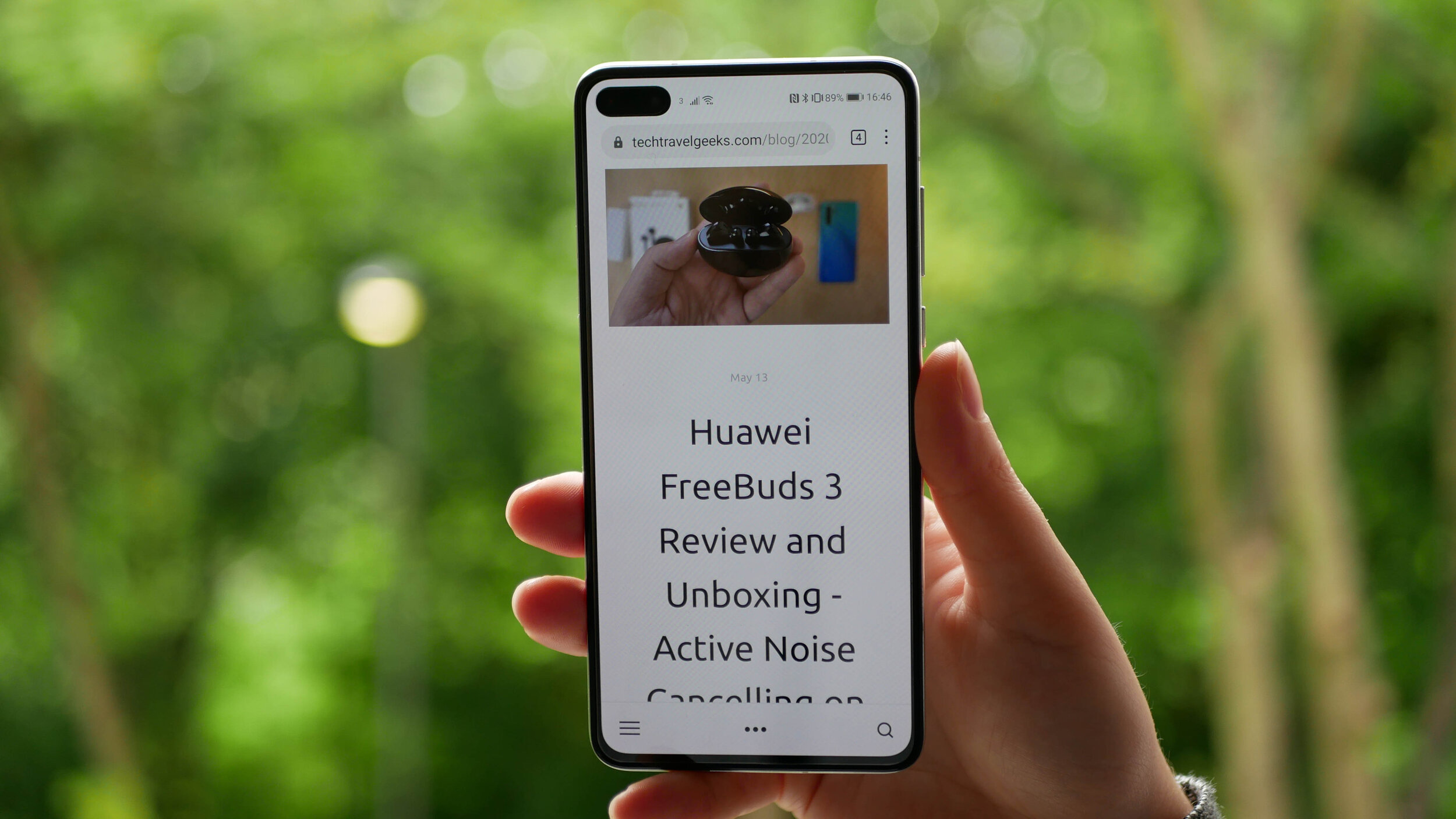
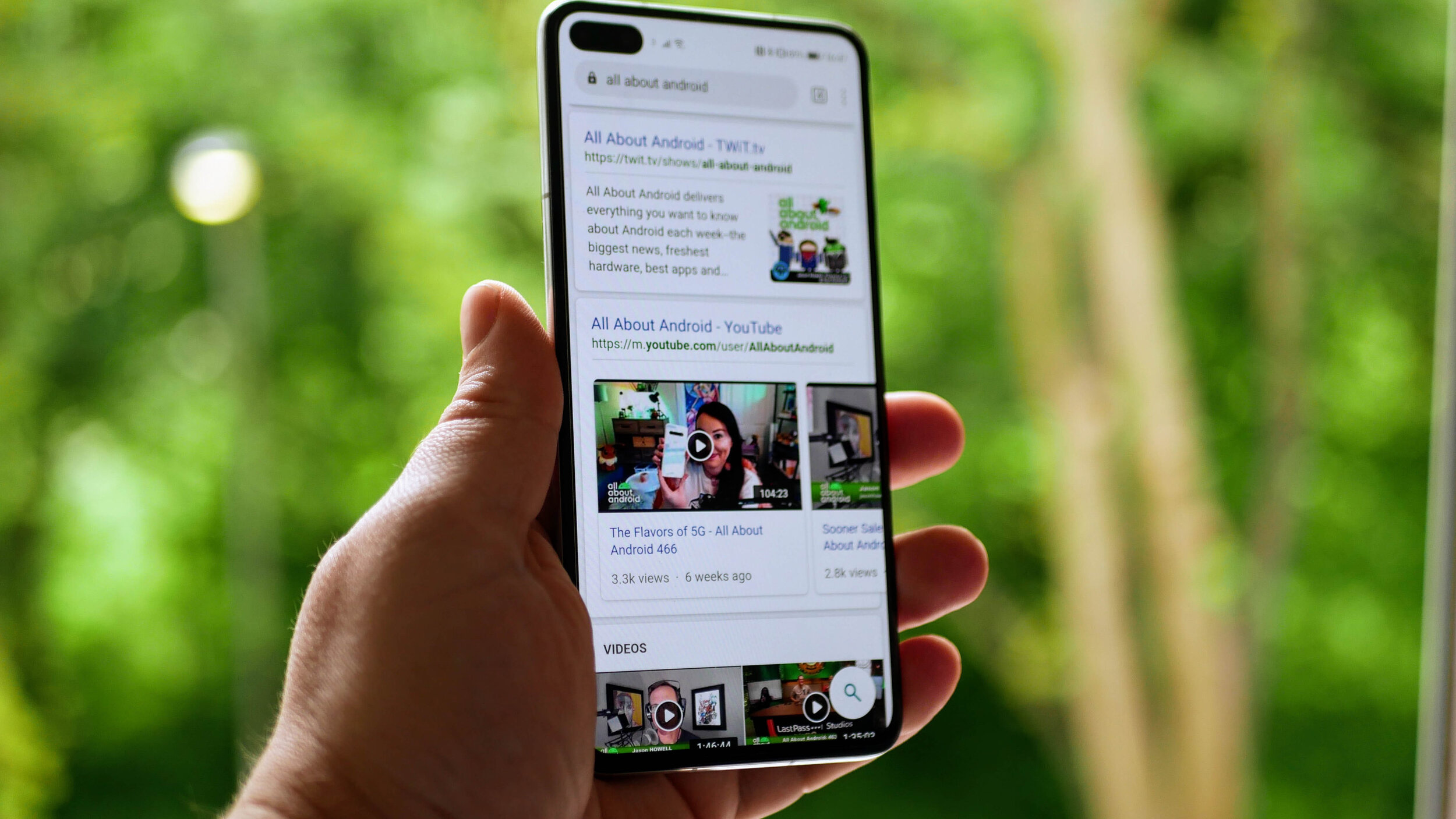
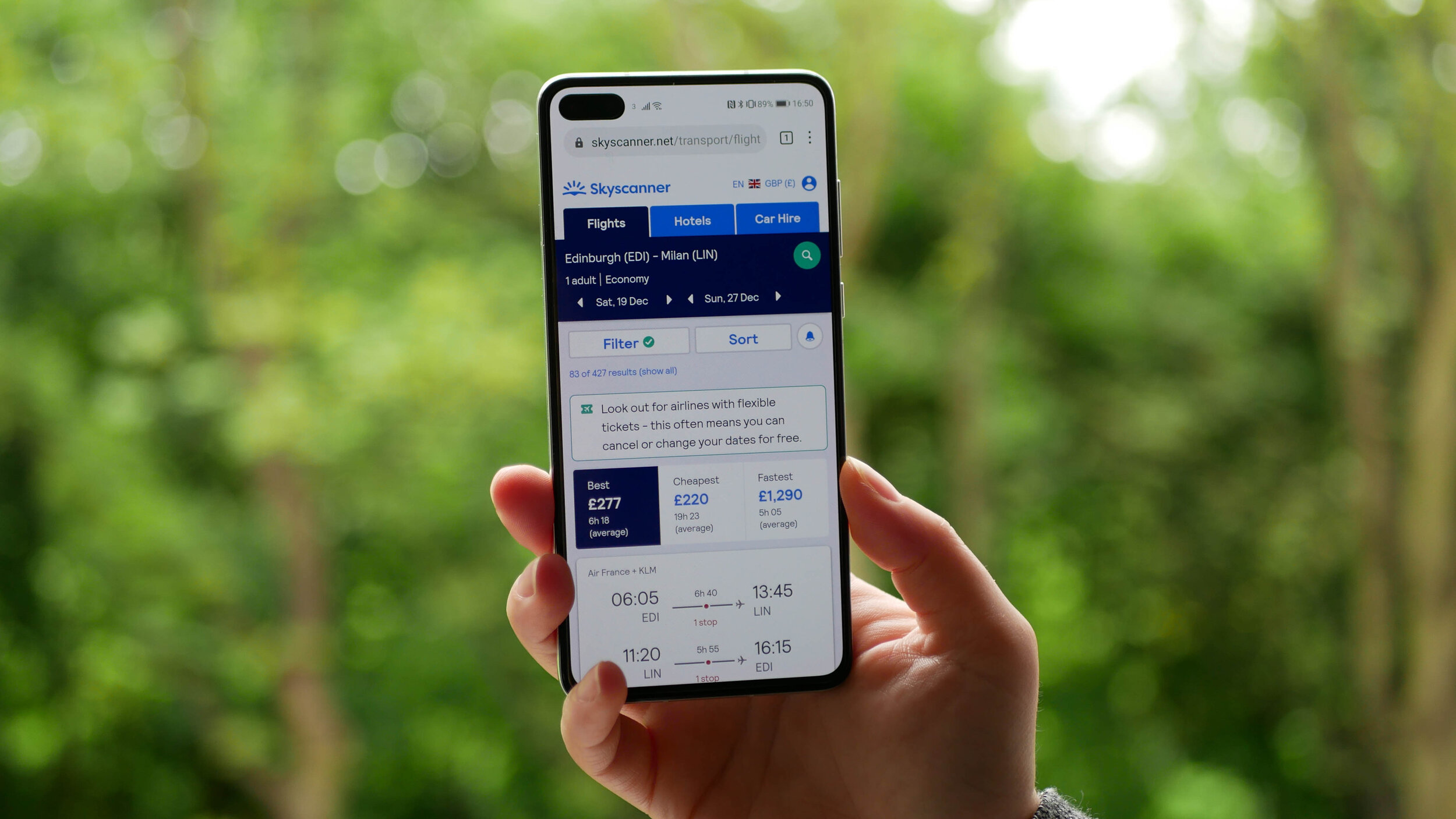
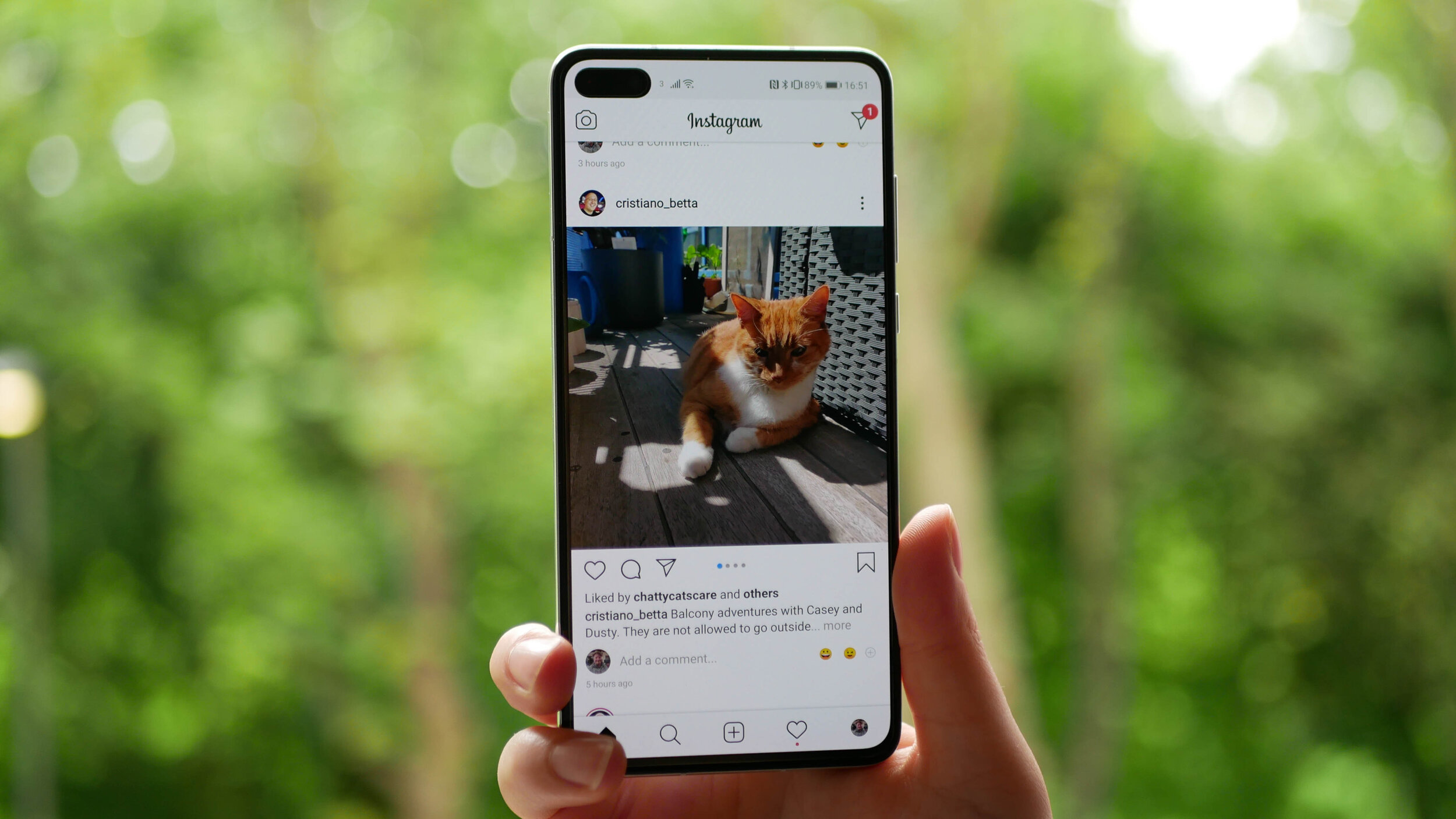
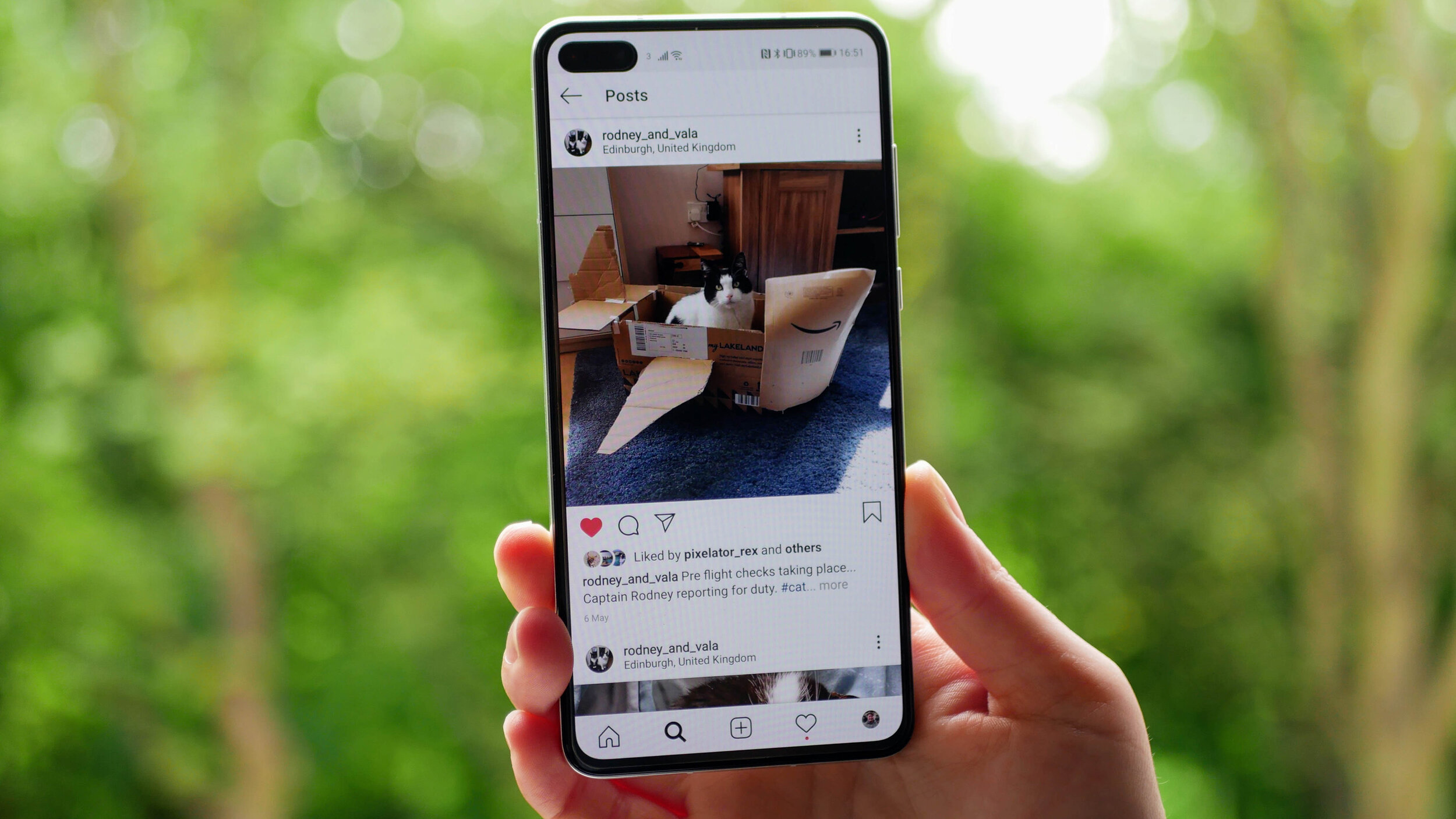
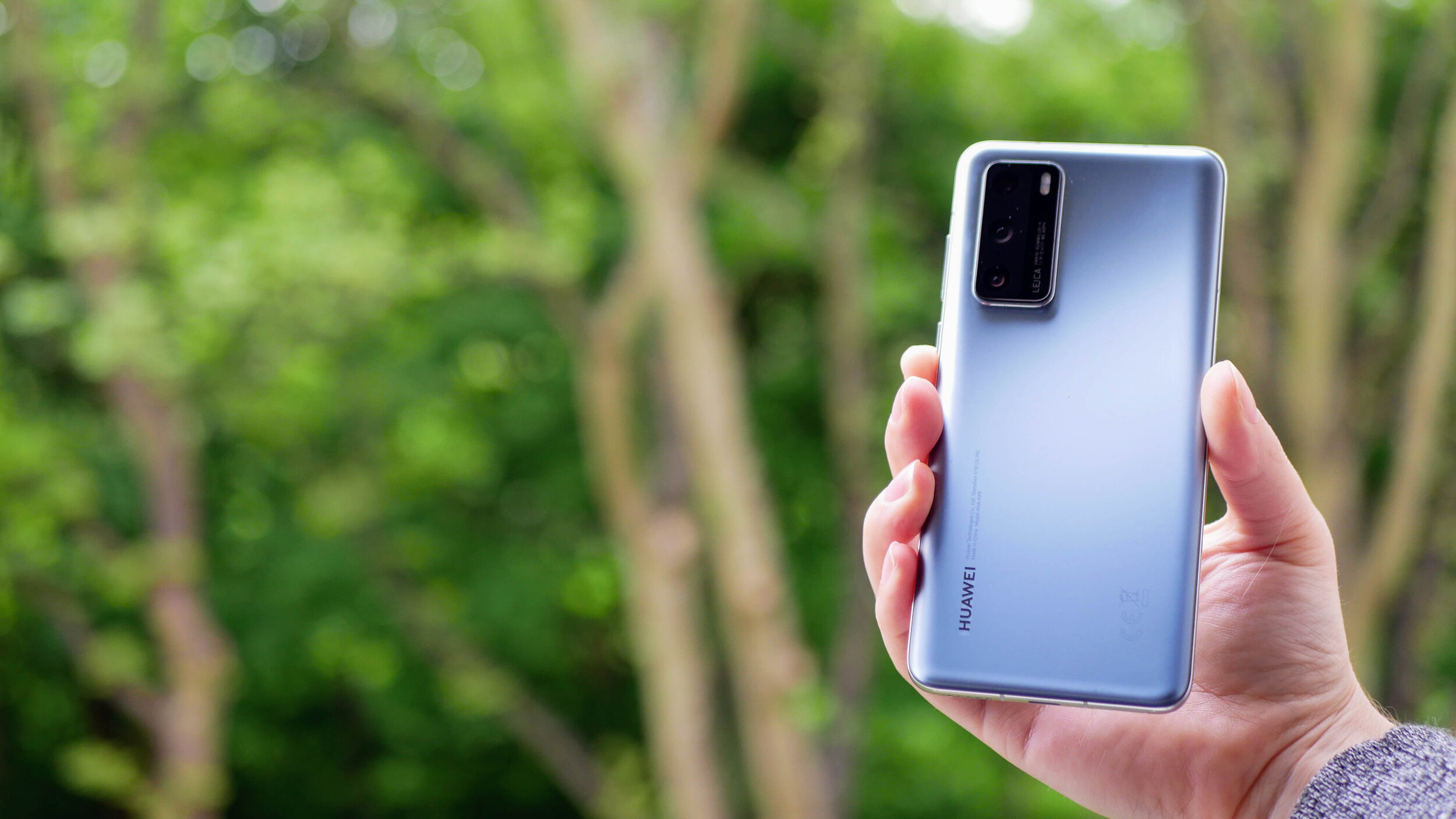
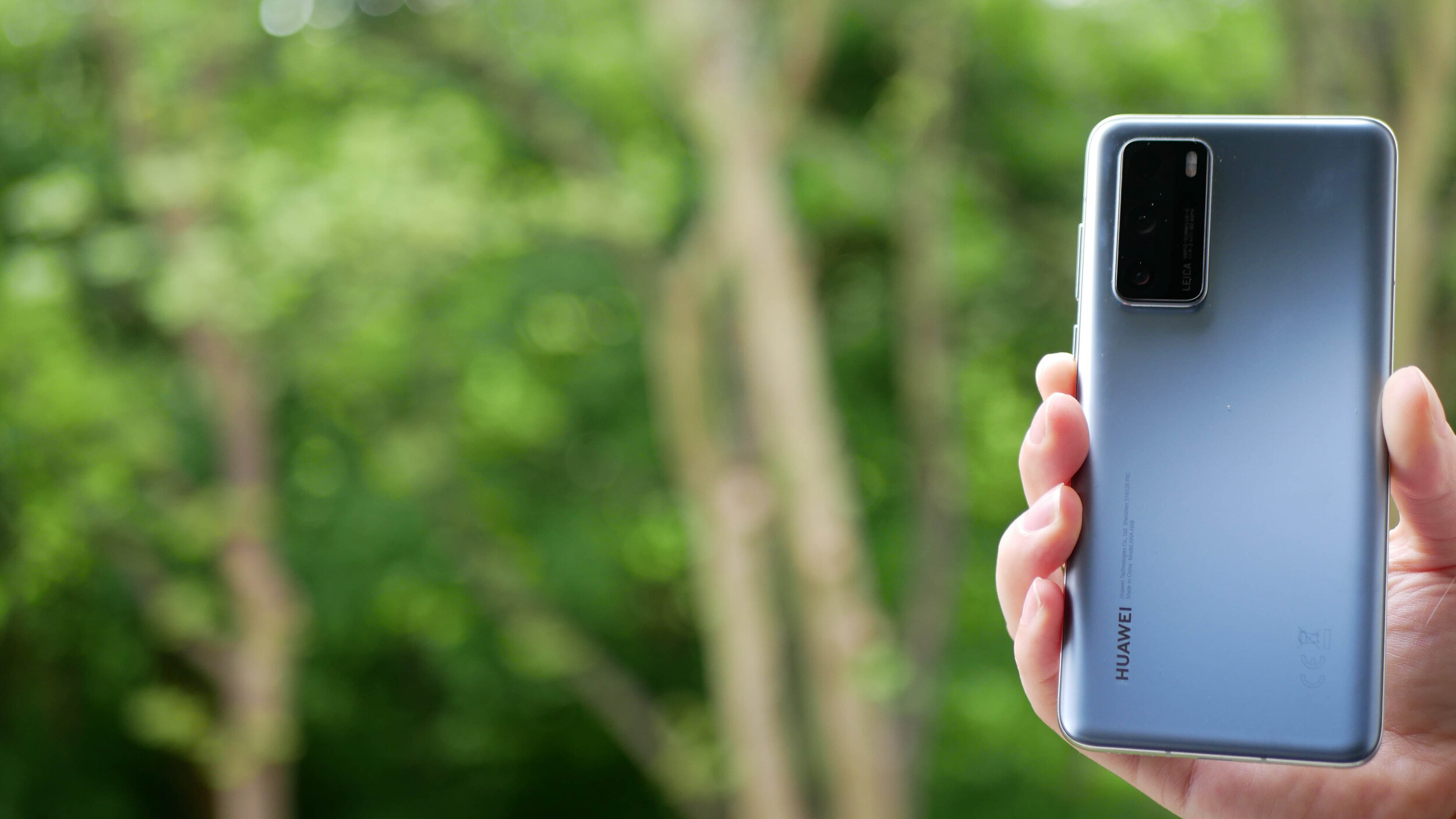
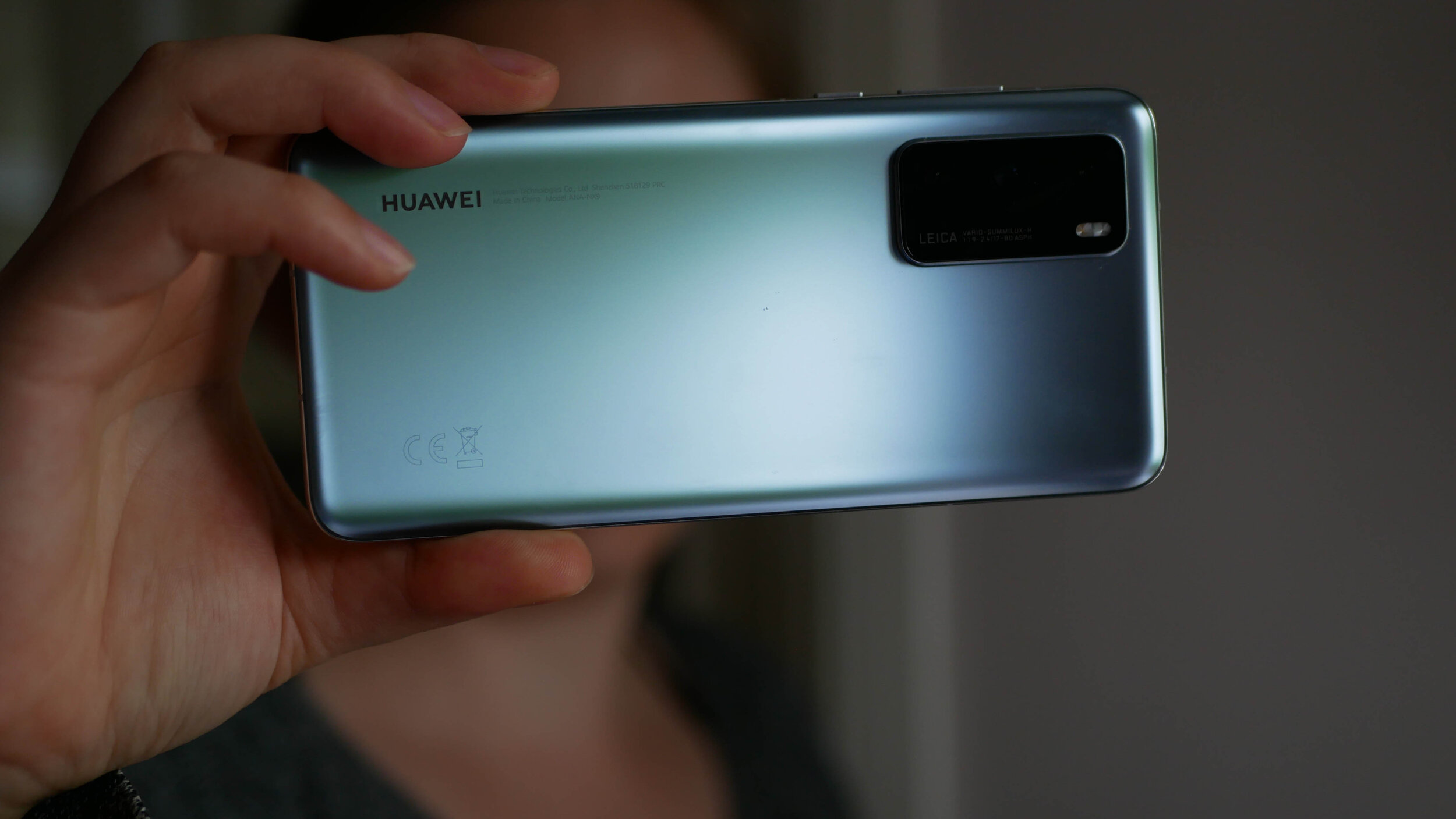
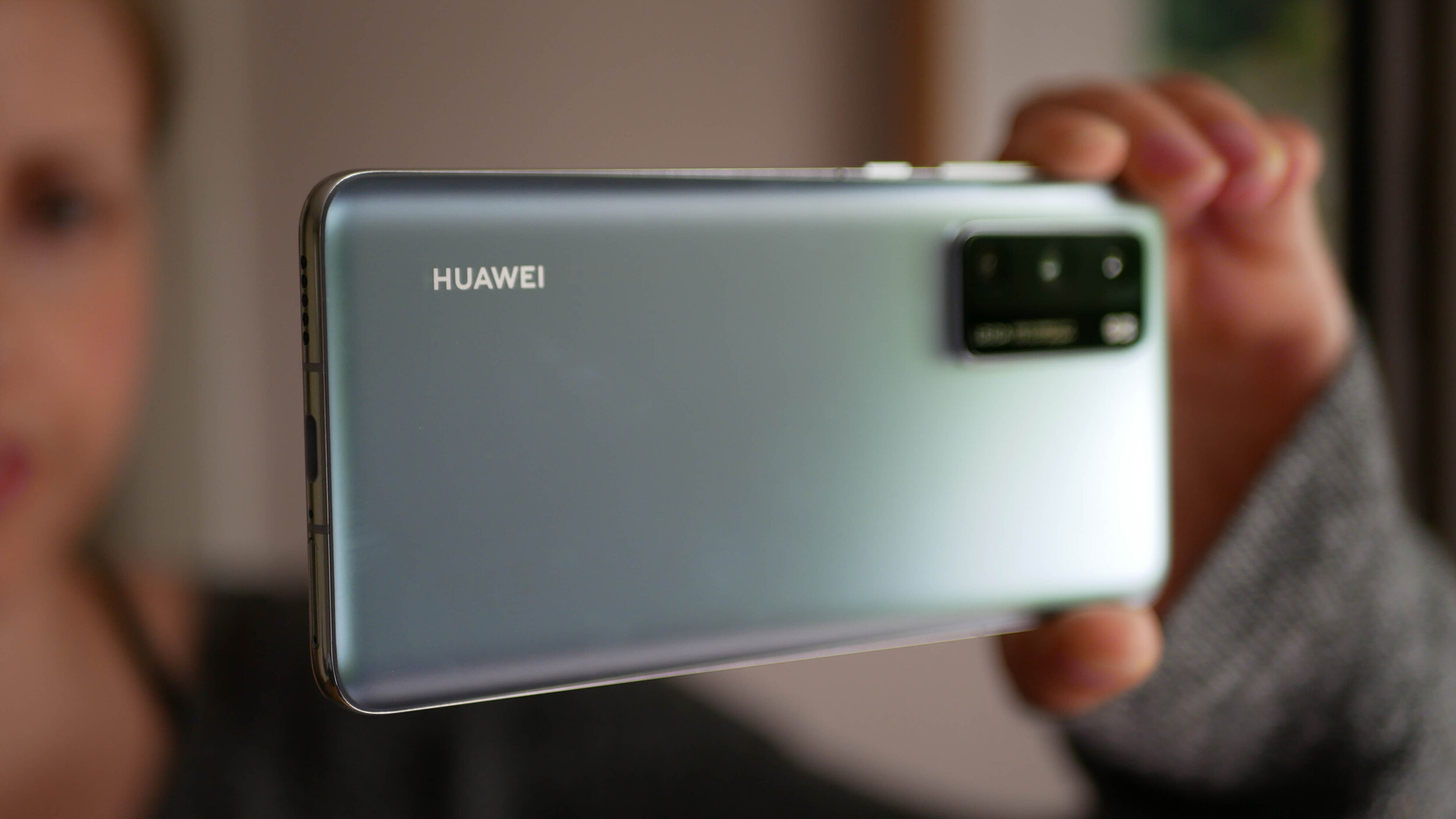
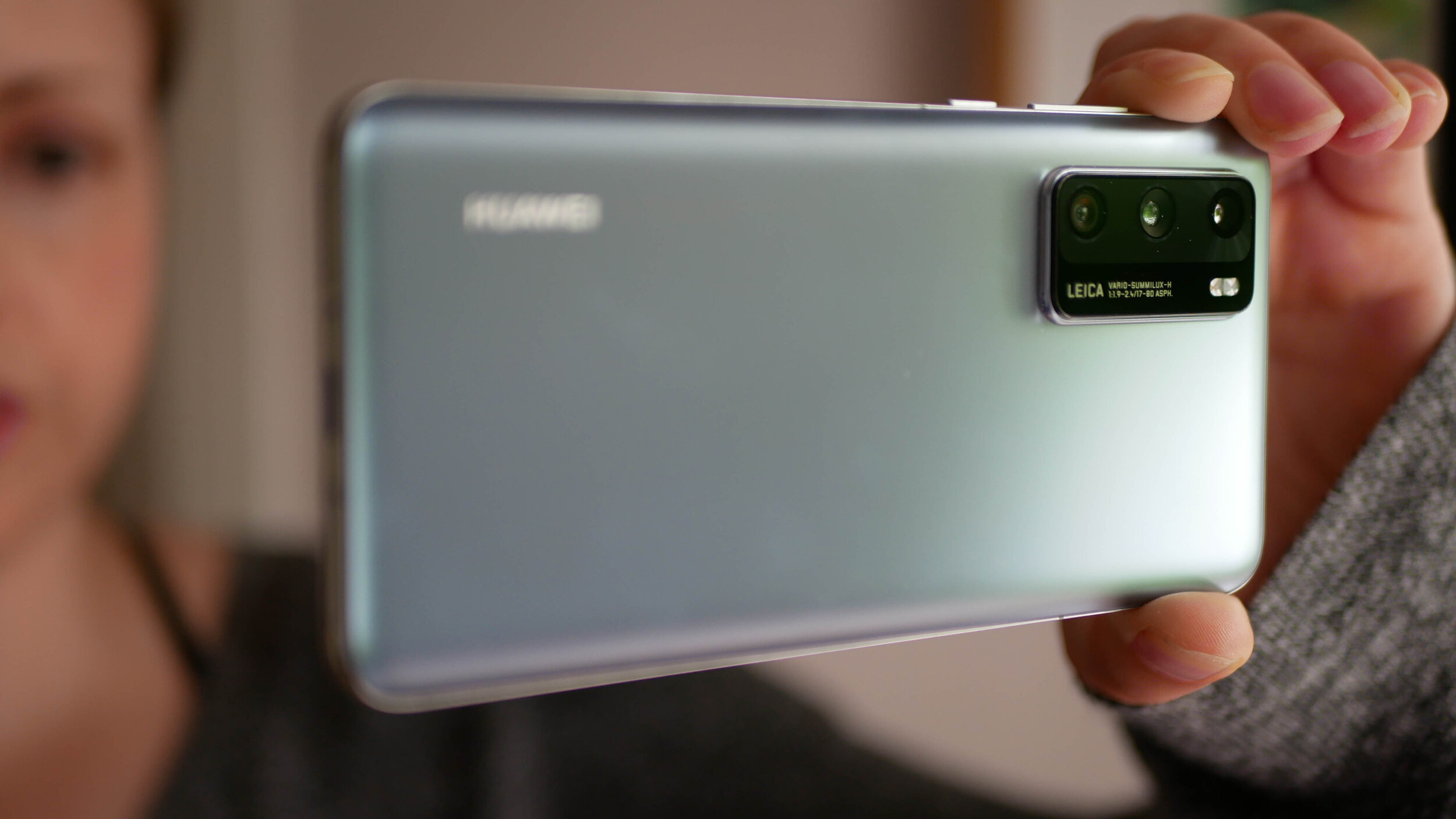
The gallery above is of the device and will be used in All About Android. Subscribe at TWiT.tv/aaa
As time goes by and we release more content, we will add it here.
Feel free to leave a comment if you have any feedback or questions.

Nokia 1.3 - All The Tech Travel Geeks Content
All the Tech Travel Geeks content about the Nokia 1.3.
This is where you will find all the Tech Travel Geeks content we have created about the Nokia 1.3.
The Nokia 1.3 is available to purchase on Amazon here: https://amzn.to/34OmKdb
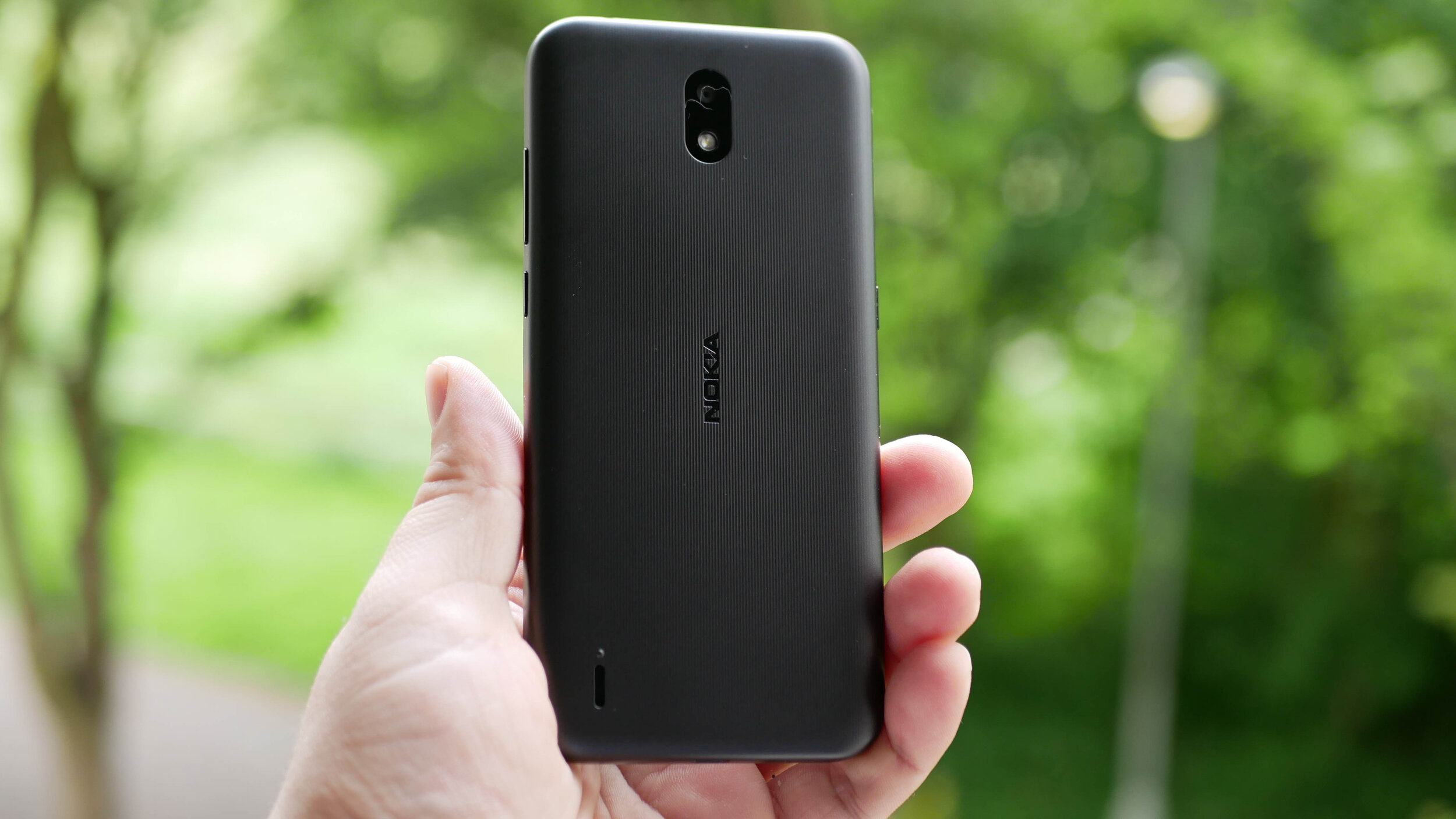
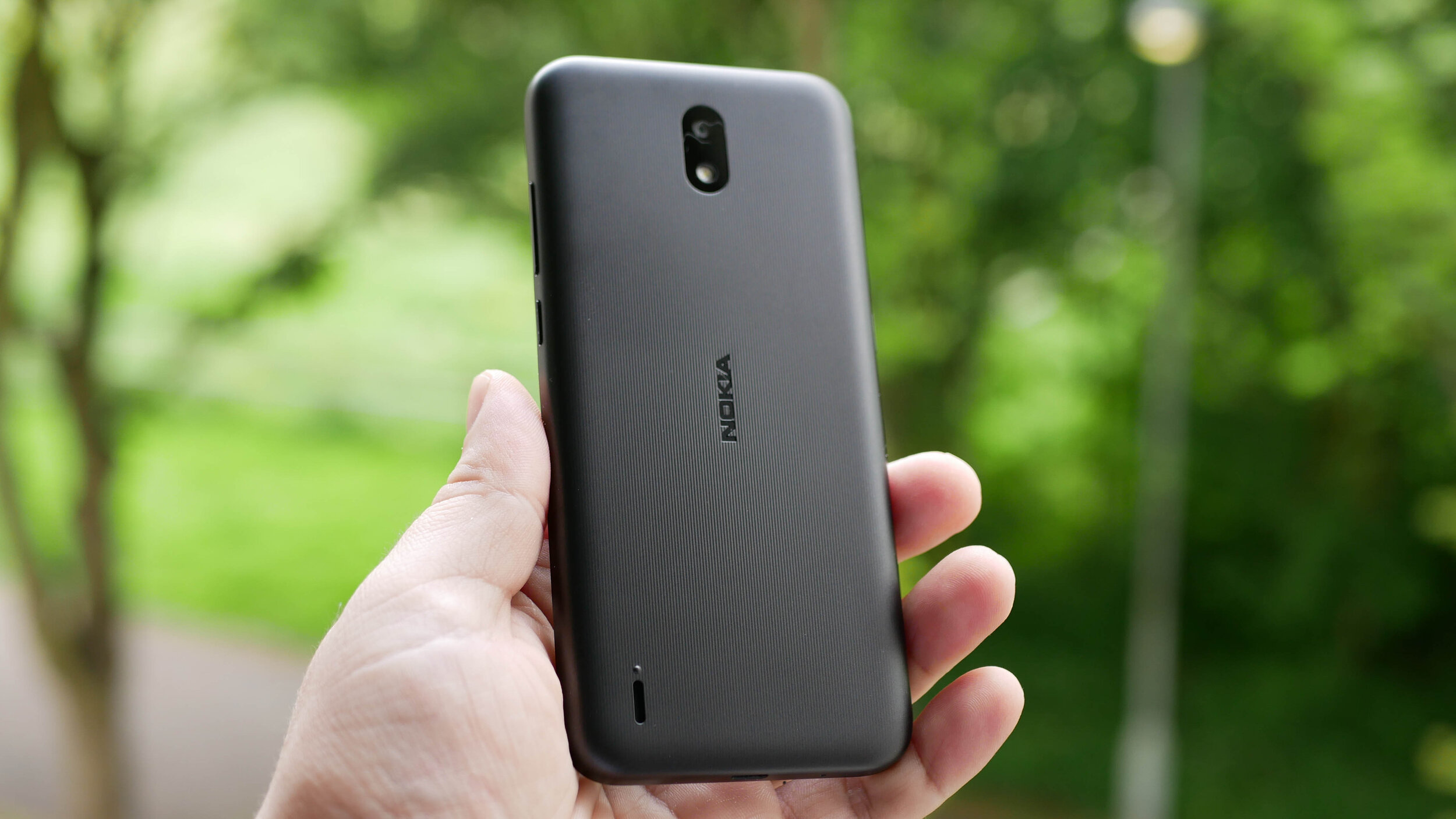
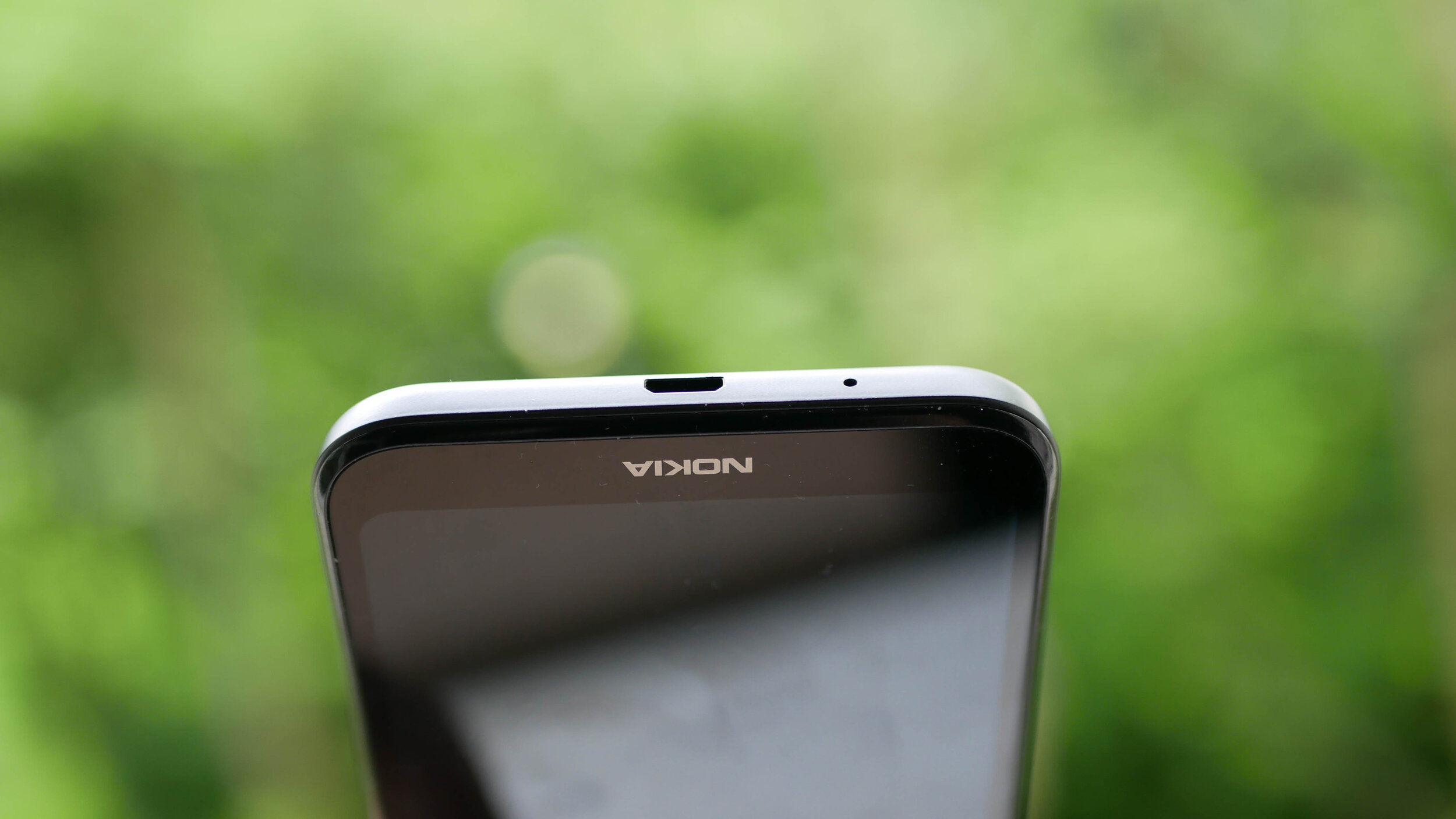
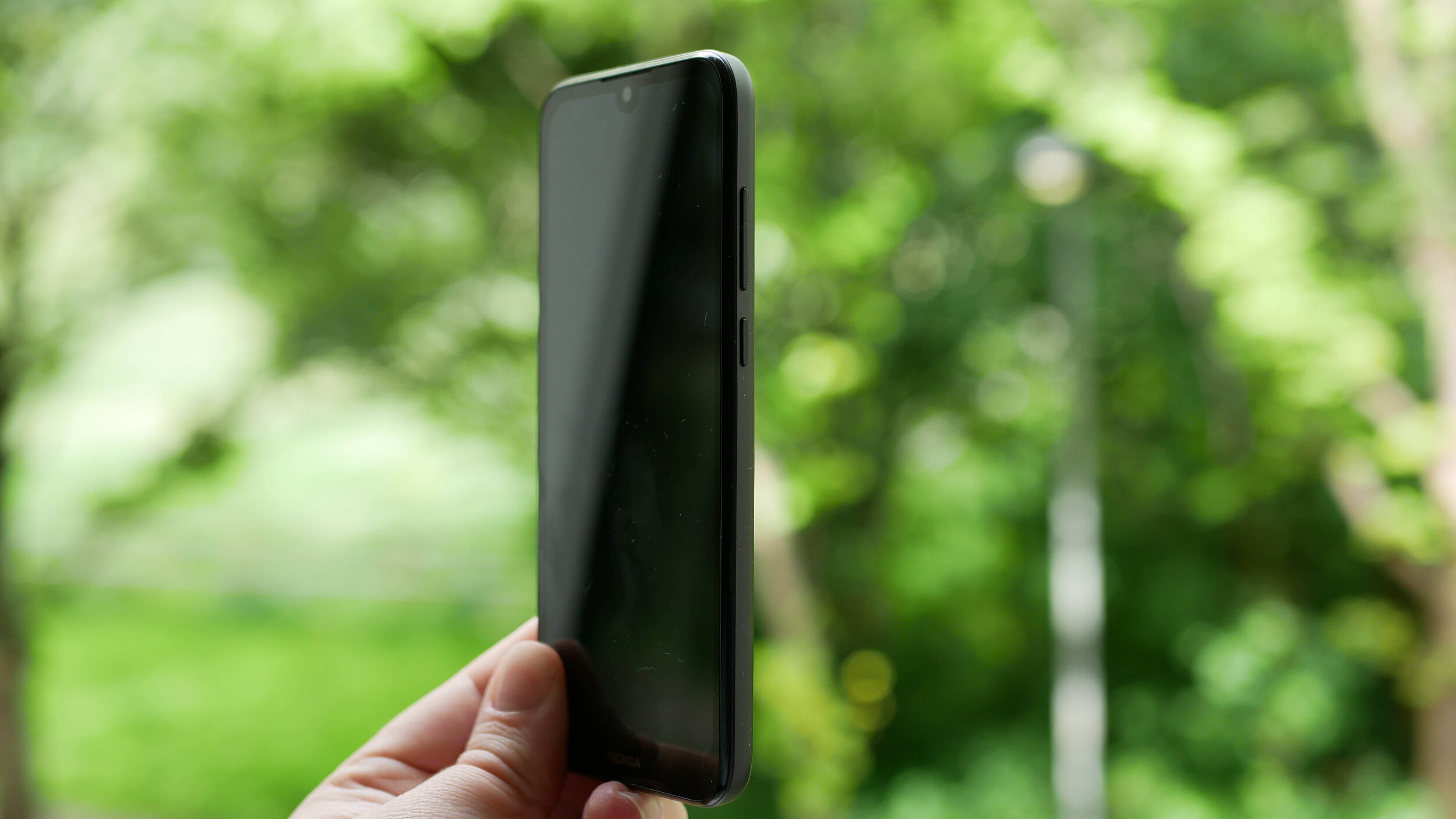
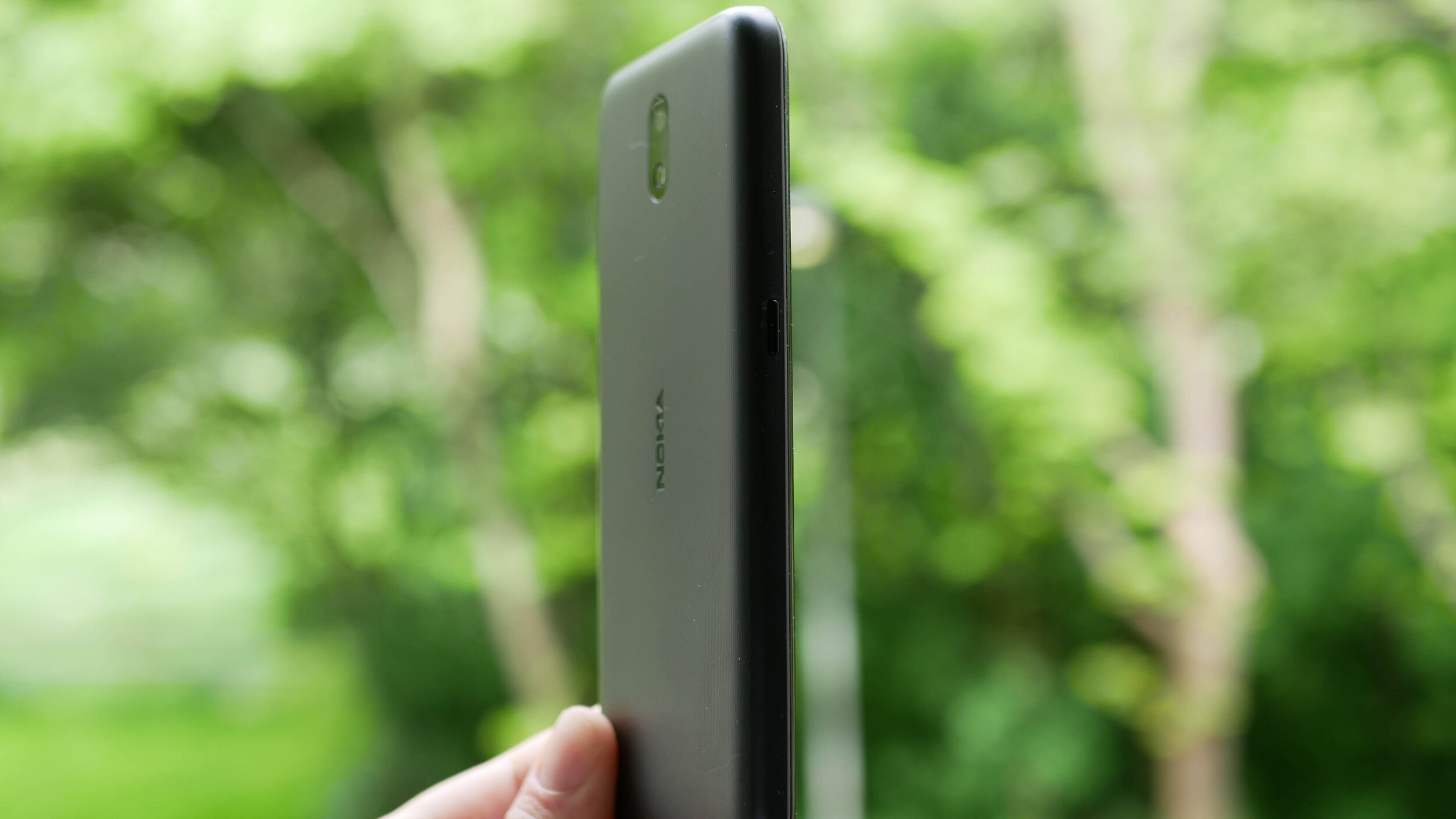
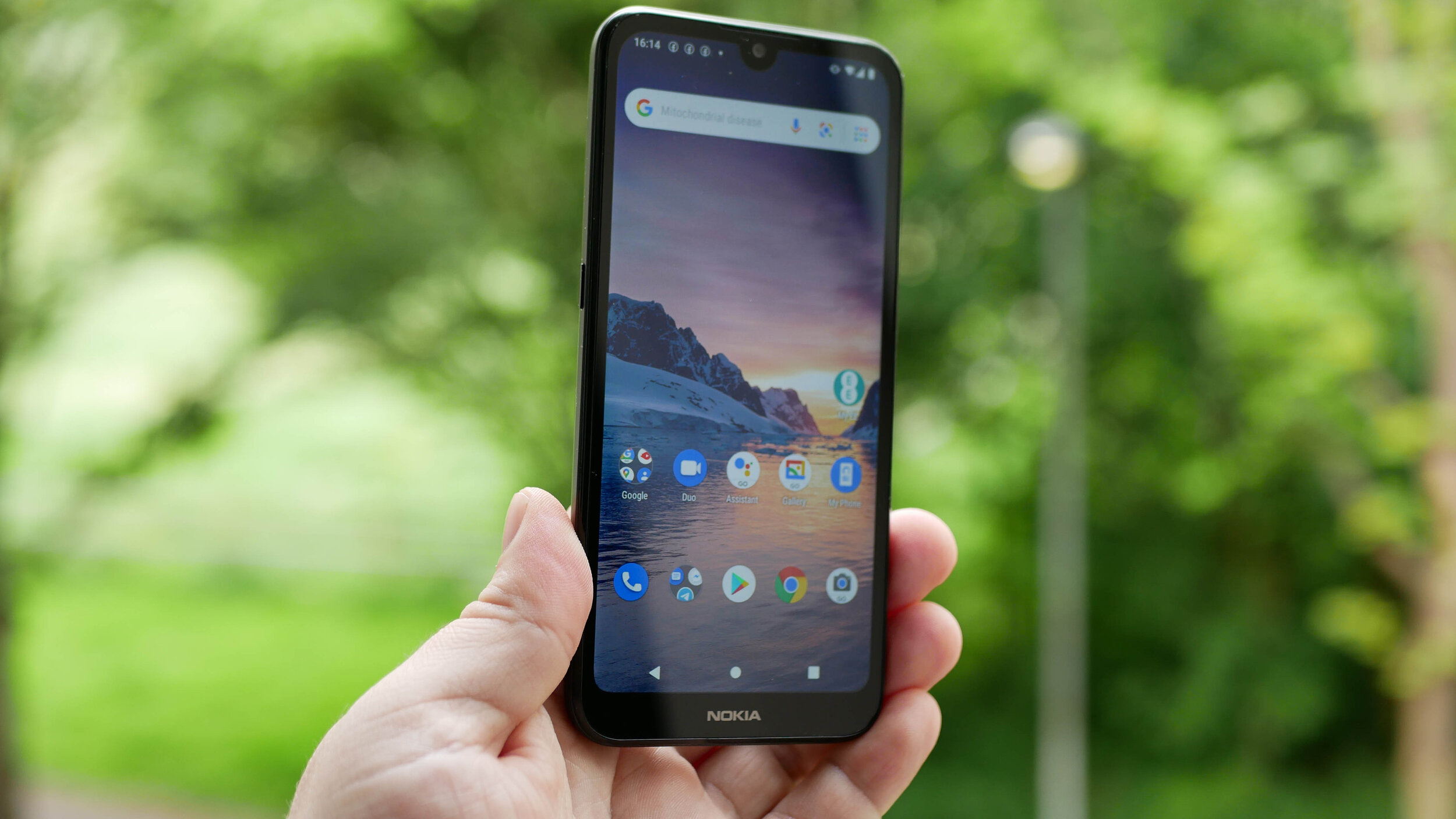
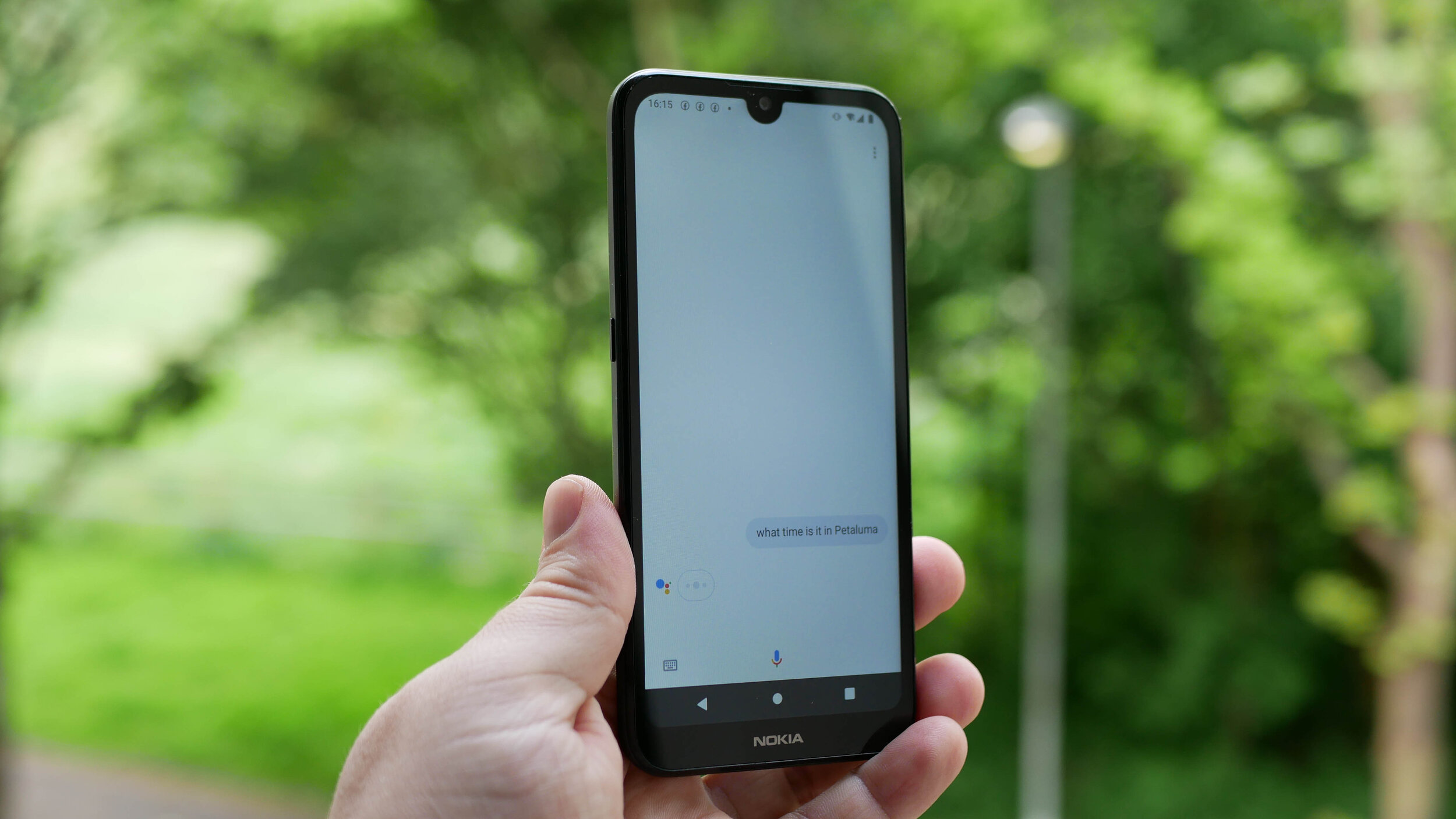
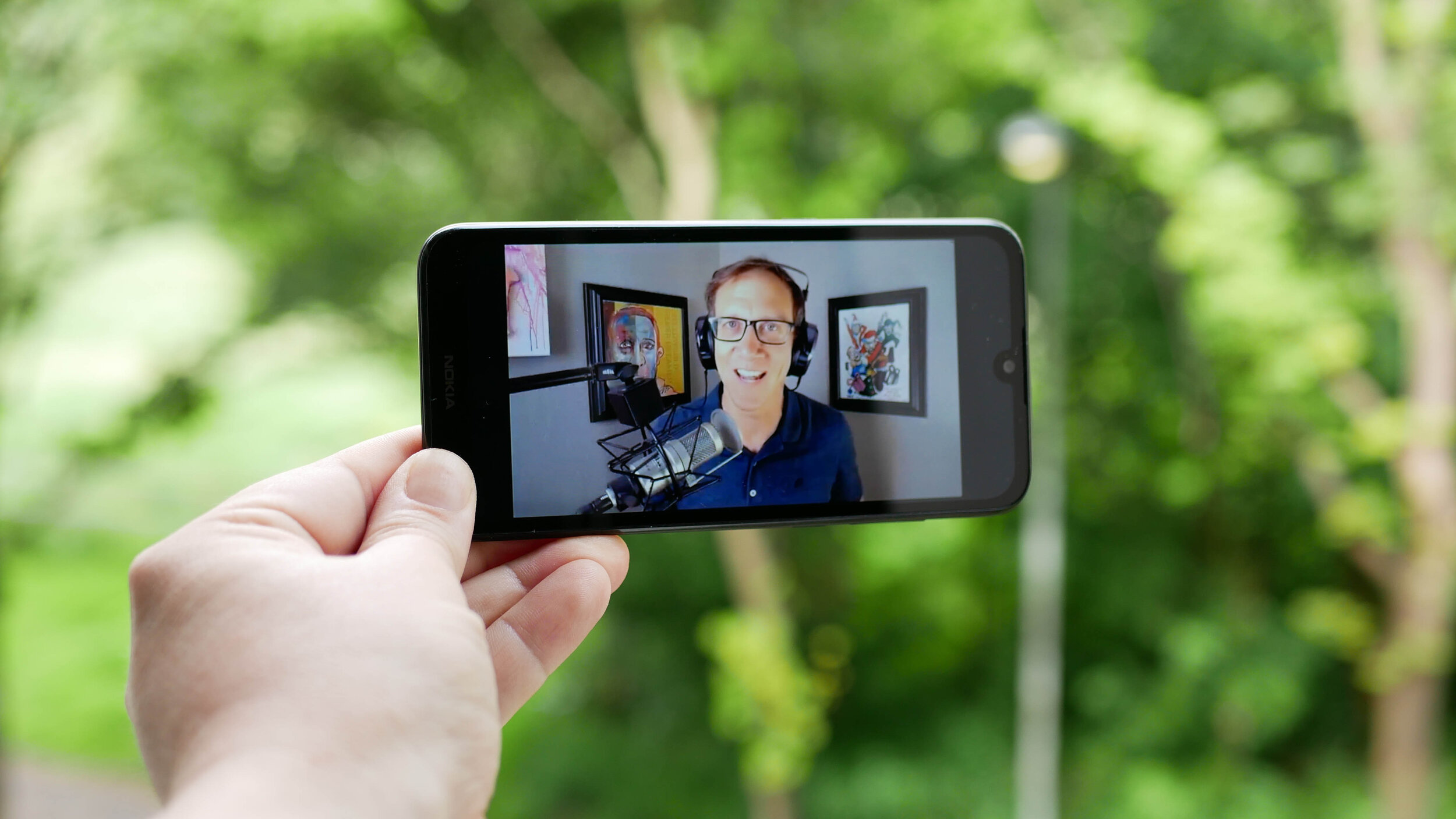
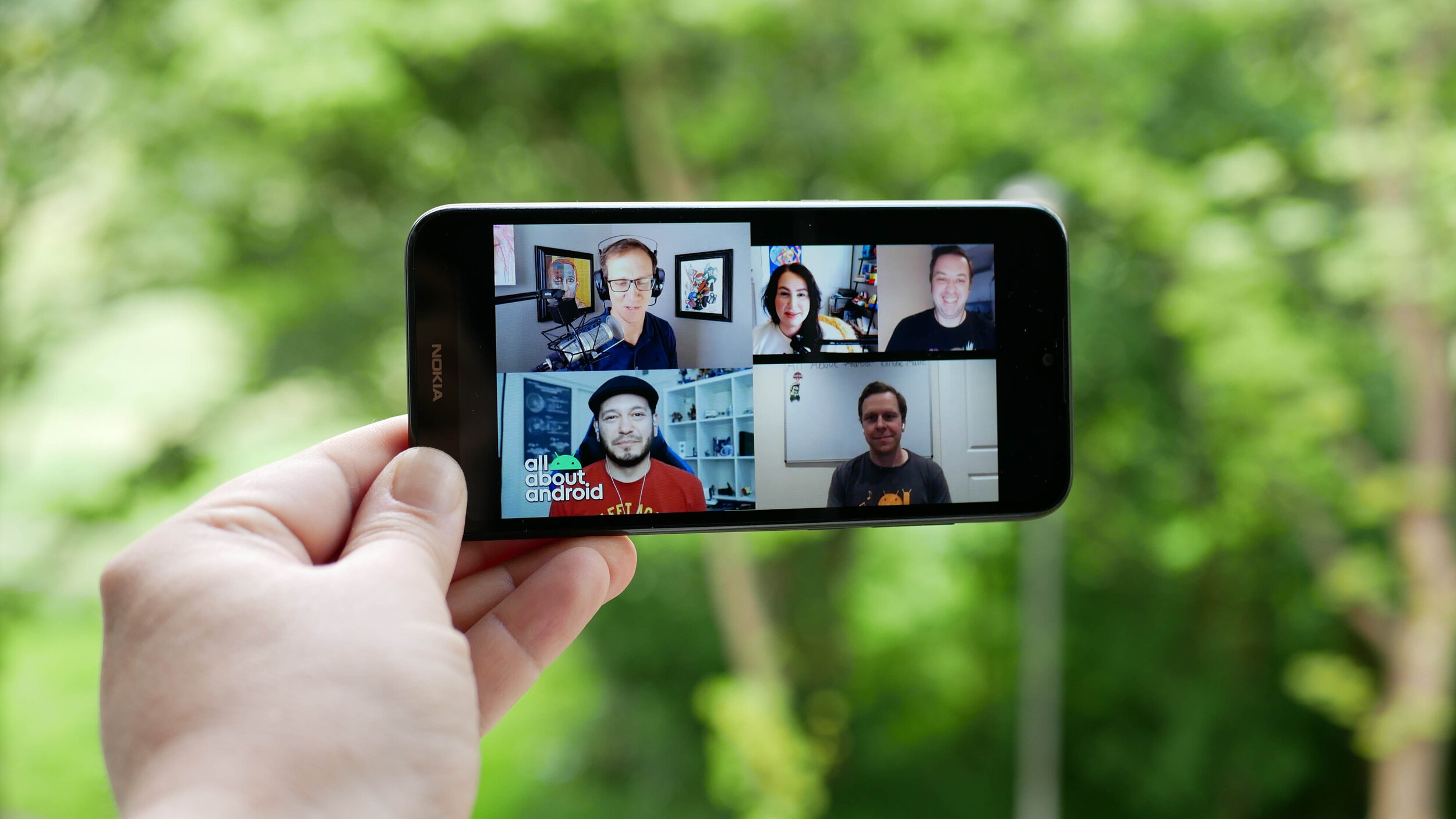
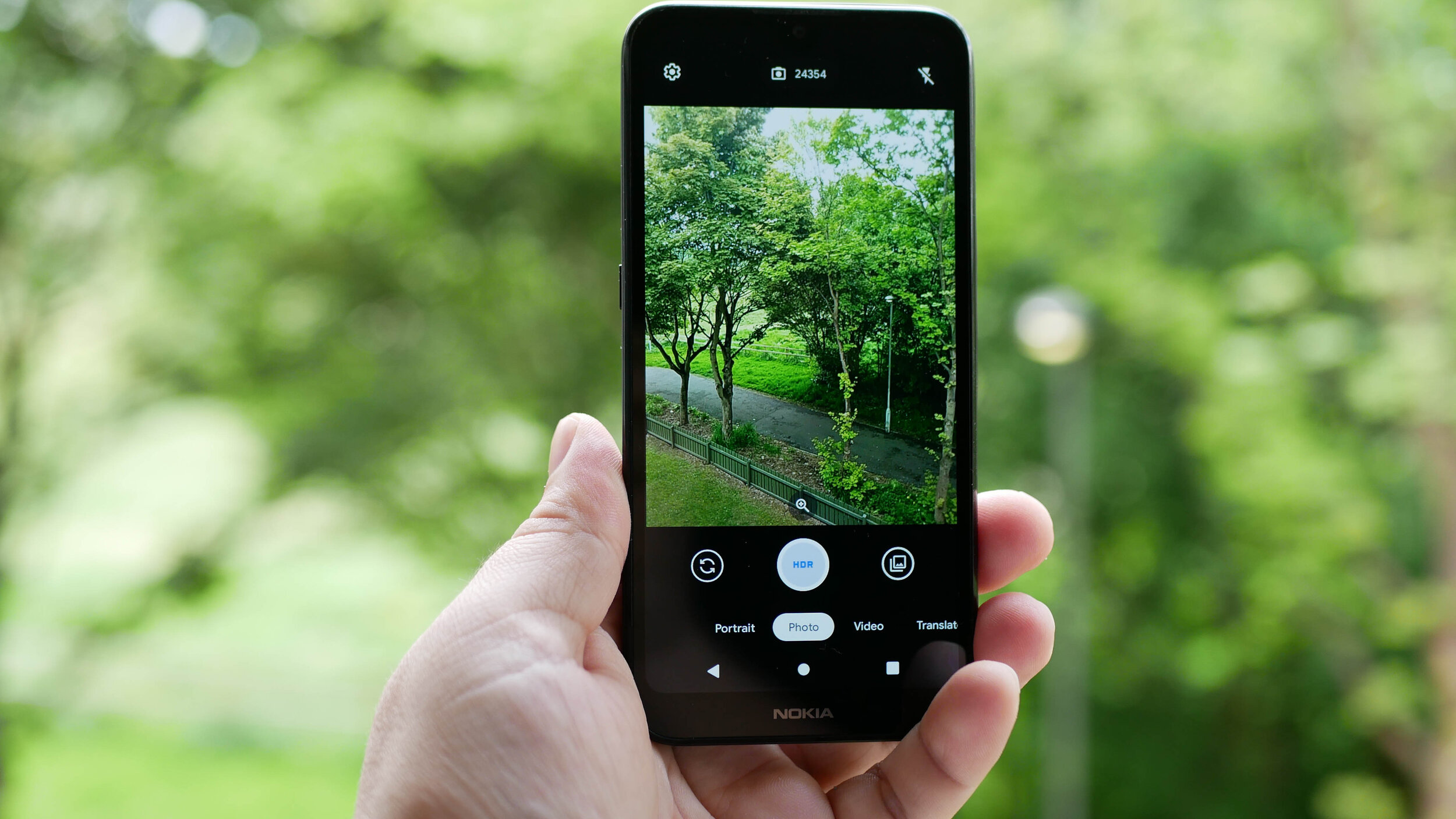
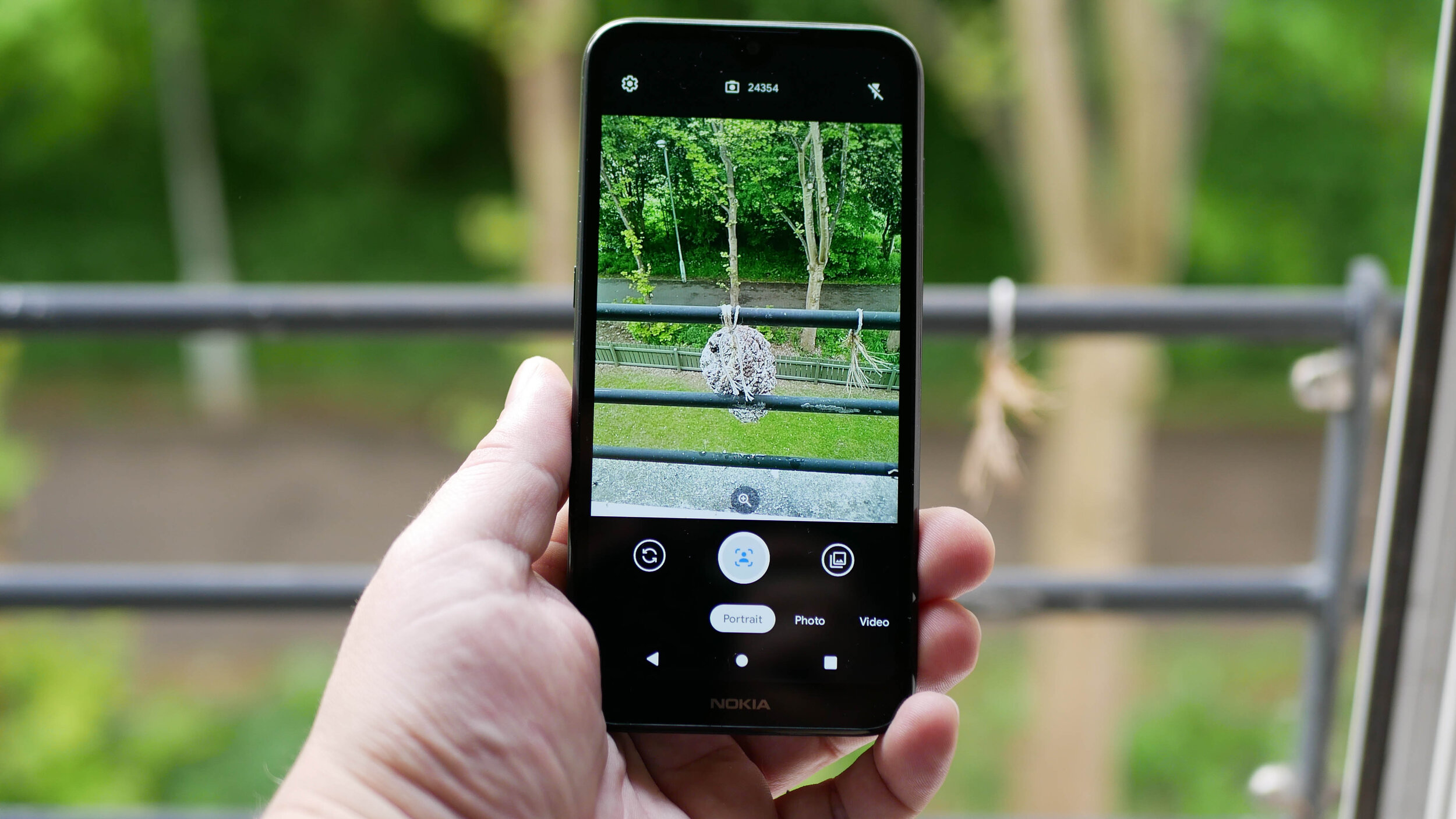
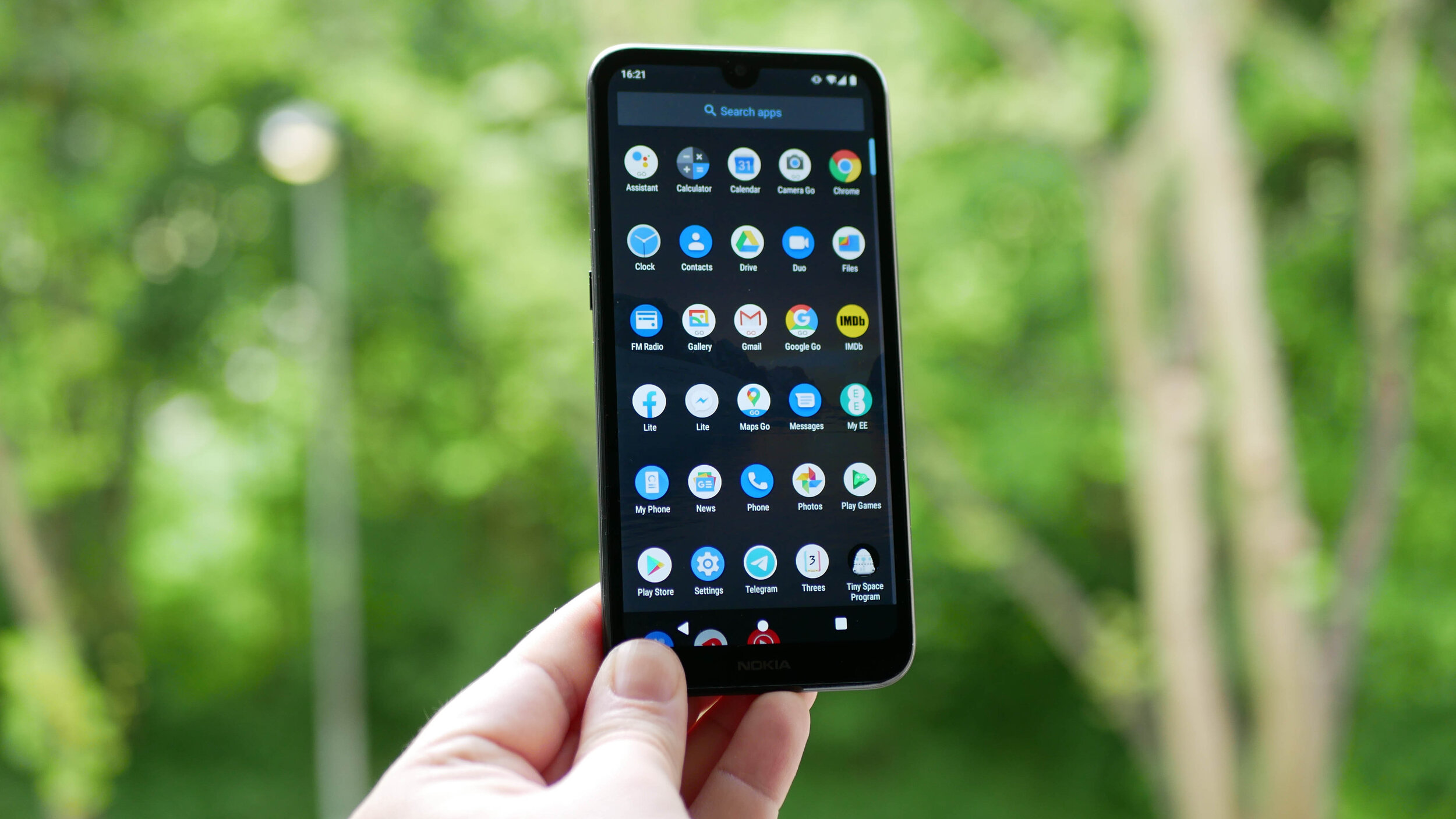
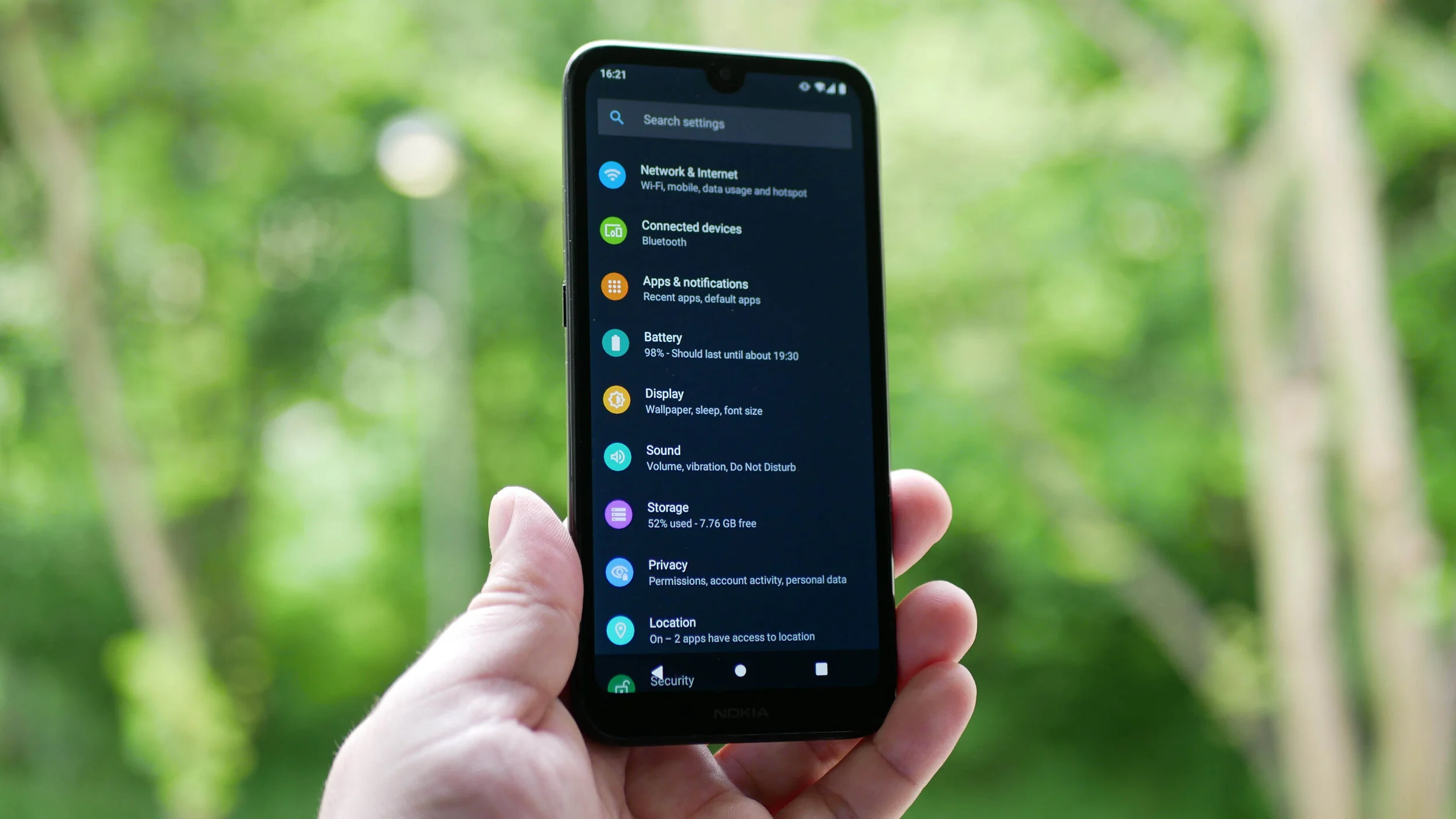
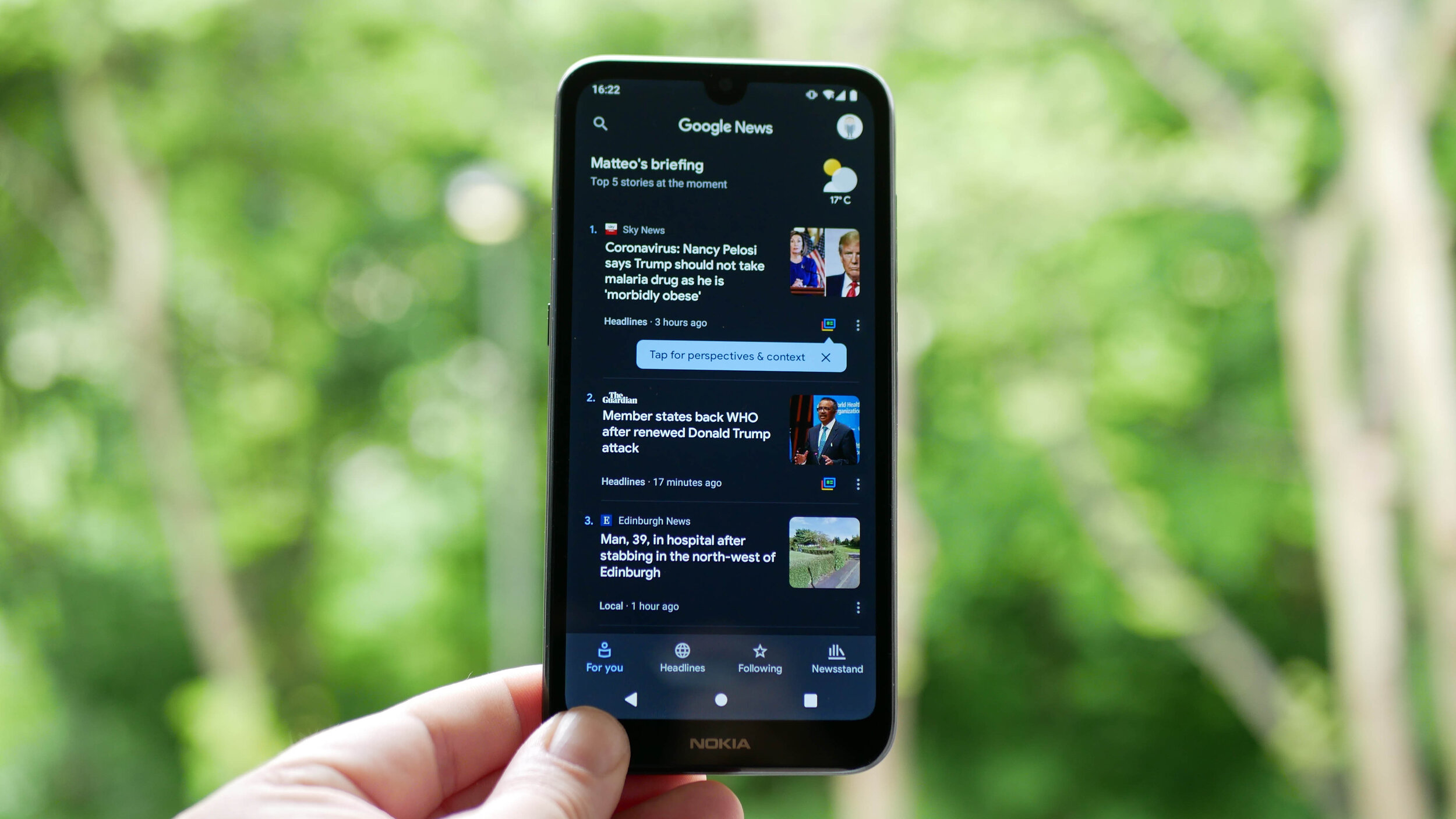
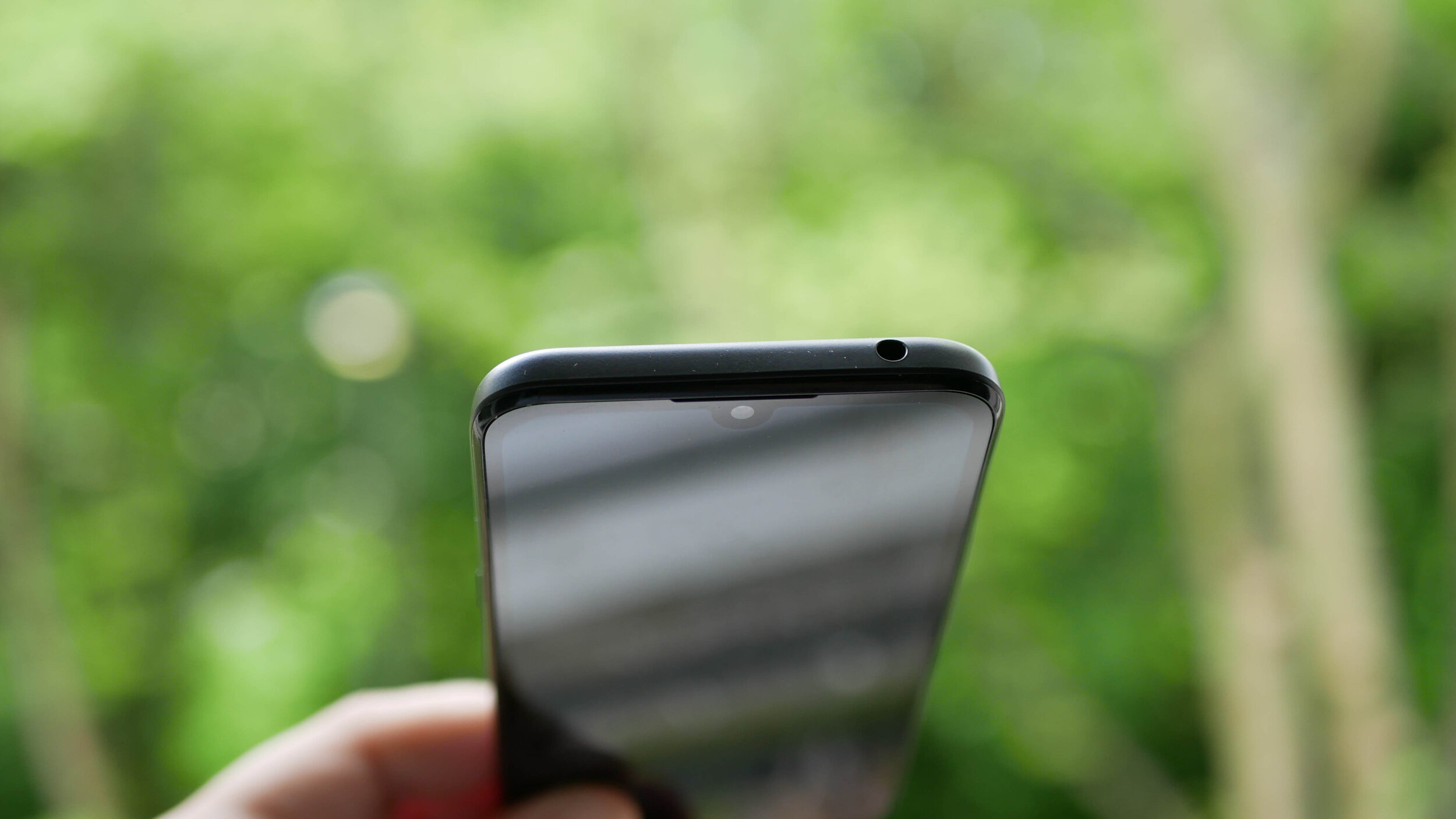
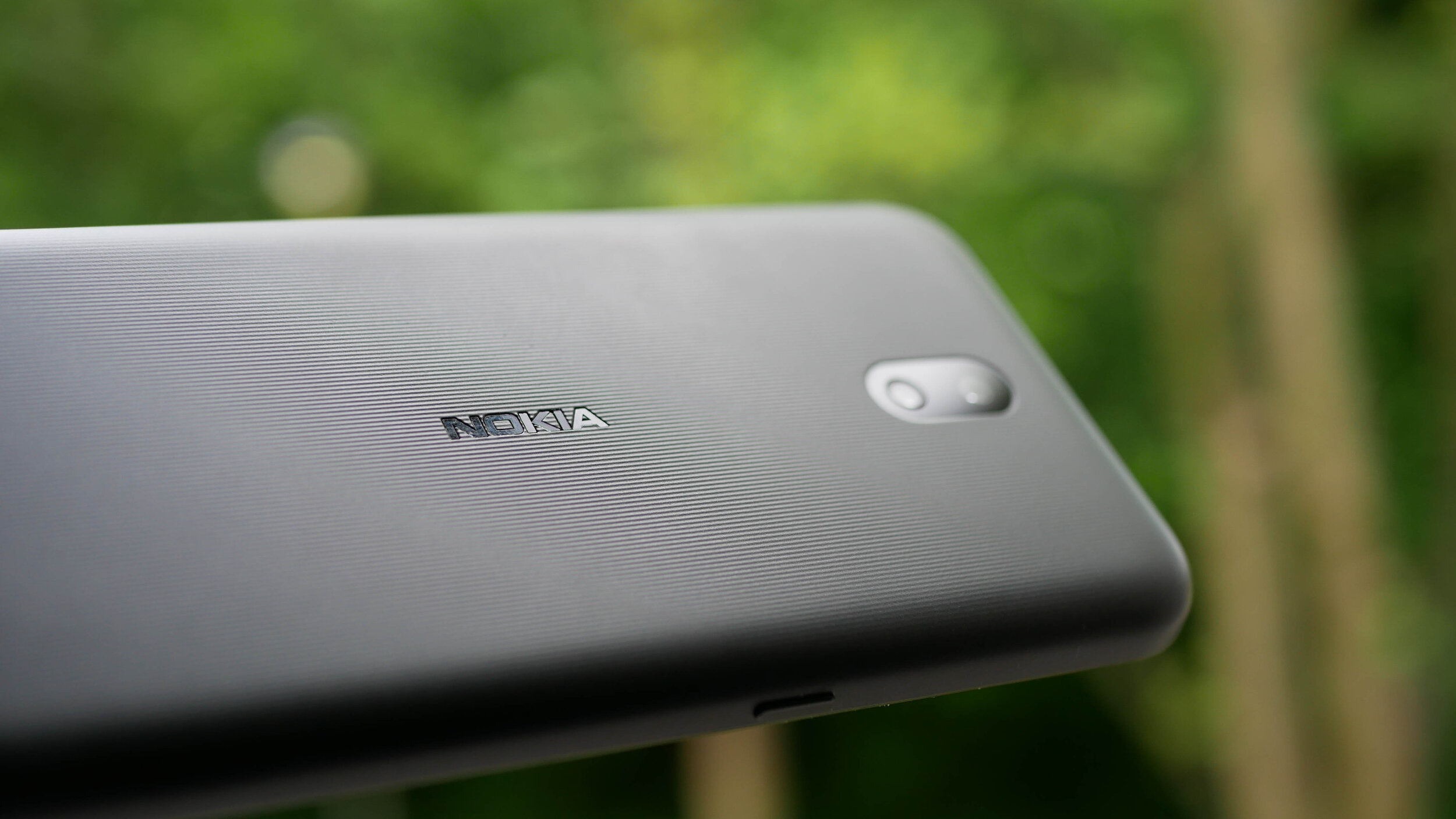
The gallery above is of the device and will be used in All About Android. Subscribe at TWiT.tv/aaa
As time goes by and we release more content, we will add it here.
Feel free to leave a comment if you have any feedback or questions.

Redmi Note 8T Review - The Actual Review
Majid actually gets round to reviewing the Redmi Note 8T after his long introduction.
Ok, with all that preamble and context out of the way, why did I choose the Xiaomi Redmi Note 8T? At TechTravelGeeks.com we are no stranger to Xiaomi, the Chinese smartphone and consumer electronics brand. You can check out our videos of the Xiaomi Mi 9T on the Tech Travel Geeks YouTube Channel.
Frankly, the decision all came down to the price and the device’s value proposition. As stated in the my introduction, I needed something inexpensive, but also with reasonable grunt and a promise of some updates. Put these 3 ingredients together into your mixing bowl and Xiaomi is one of the first brands that comes to mind (Honourable mentions to Huawei/Honor & Moto G in this segment).
So, having been burnt recently by eBay (did I mention something about a stolen Note 9…) and because I have the benefits of Amazon Prime, i headed to Amazon.
What I saw on Jeff’s site was astonishing: a phone with a quad camera, waterdrop FHD+ display, 4GB RAM, 64GB storage (plus Microsd expansion), dual SIM, Snapdragon 665 (which is roughly on par with the 835 or the 710) for close to £150 ($200). Dubious? Check it out on Amazon here: https://amzn.to/38b9LTR
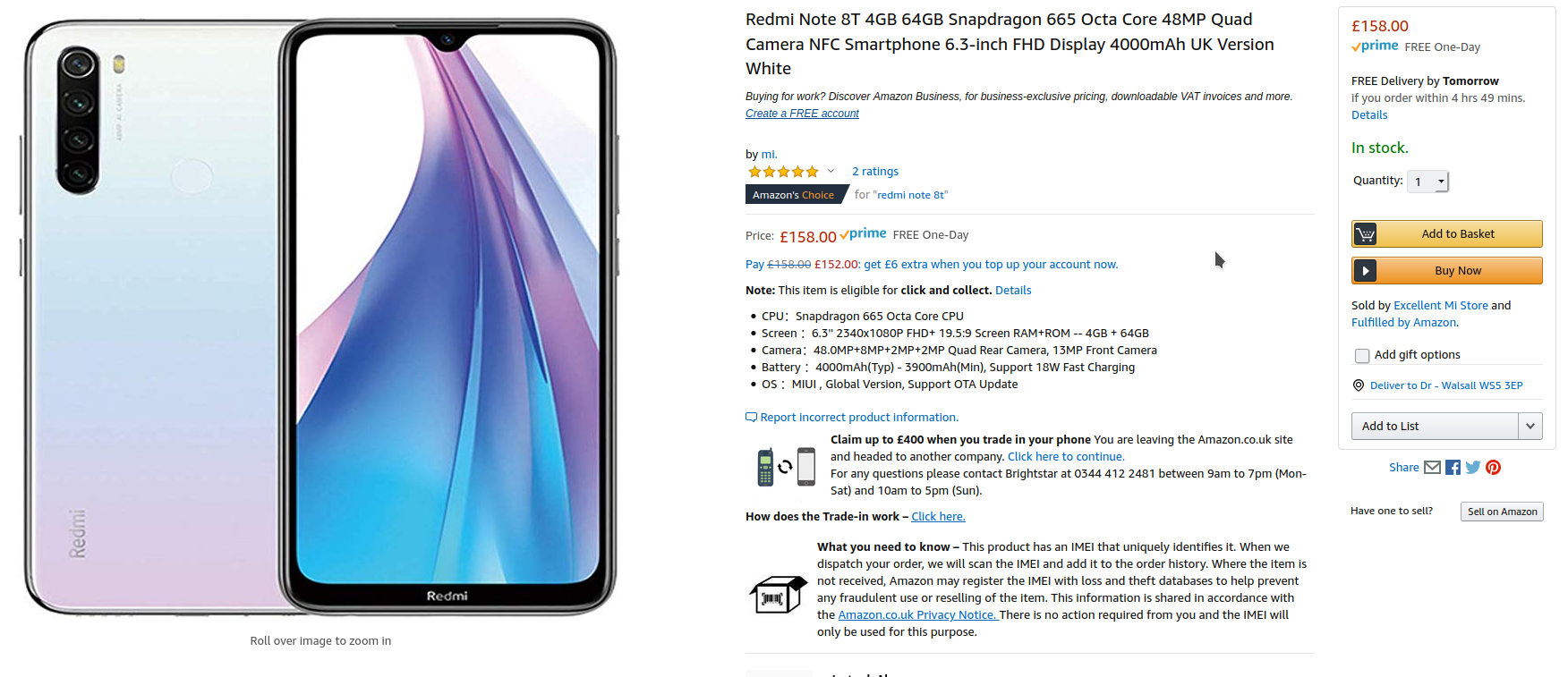
Subsequent research found that this was the T model with the extra RAM and base storage. A standard Note 8 with 3GB/32GB is available for about £140, and a Pro version with a 64MP Camera and 6GB RAM 128/256gb of storage can be had at just around £200 (depending on storage).
I am sorry but this to me is just silly. This amount of computing power at this price? I did a little bit of digging around in the reviews and apparently the 3GB version is a bit under-powered. But that didn’t change anything. I ended up clicking the “Buy Now” button.
But we all know that specs don’t tell the full story. Samsung have for many years had top-of-the-line specs but stuttery performance. LG sometimes bring great innovation, but are largely ignored. Even the Google Pixels have a tendency to slow down over time. iPhones have tended to offer better experiences than their specs may suggest. I’m not even going to go into synthetic benchmarks, they may have a role in comparisons of chipsets (like when I was trying to figure out what kind of performance to expect from the 665) . But in the end real-life performance is what counts.
HARDWARE
The Note 8T is a veritable sight to behold. Yes its the usual glass sandwich, but it feels really well built, lovely to hold. In the white finish that i have, frankly it felt like an iPhone 11 (which is £600 more expensive). It just oozes quality. I’ve asked unsuspecting friends and family how much they think it costs and most reply between £400 and £500.
There is a 6.3 inch FHD IPS LCD display. Its a pretty good display, good viewing angles and colour reproduction. Sometime you get a bit of LCD back-light glare and it wont beat the AMOLED screens out there, but it’s still really good for content consumption via YouTube or Netflix. I’ve been using a curved screen (my OnePlus 7 Pro) and I actually found it refreshing to go back to a flat screen. I think curved screens may start going out of fashion as they can cause distortion at certain viewing angles though no doubt they are more immersive.
The back has one of my favourite features, a rear mounted fingerprint scanner. I love the ergonomics of these and whilst the in-display tech may be cool, it’s just functionally not as good
The bottom has 3.5mm jack, or as Matteo would call it a Courage Port, and a USB-C charging port. There is a down facing speaker which is a bit tinny and lacks base, but is perfectly fine for my uses.
On the side is the dual SIM tray, which can house 2 nano-sims + Micro SD card. This makes it extremely versatile. NFC is also on-board for all your contactless needs.
SOFTWARE
Out of the Box the device runs MIUI 10 on top of Android 9 Pie. However on first boot, the device updates to MIUI 11. MIUI has a reputation for being an iOS clone, and I can see why, no app drawer and similar shortcuts folders, even the colour palette in the settings. But I must say this iteration has definitely got a look and feel of its own and doesnt feel like some rip-off.
I thought this iOS-ness would annoy me. Which it often does. The lack of an app drawer, as found on other Android devices is annoying. Yes, i know I can get a third party launcher. But I’m actually going to stick with it for as long as I can. It works well, incorporates a lot of the gesture navigation from Android 10, Split-Screen is better than “stock” and it is heavily customisable with a dedicated theme store. I am annoyed that there are a lot of pre-installed apps which I can’t hide or disable. Bear in mind my use case though.
This is a device I am using specifically for work. I am not going to have the 300+ apps on it as I do on my OnePlus 7 Pro. Its gonna have some Office, Email, Messaging and specific medical apps. This means even with a bit of folder chicanery, i can have a single homescreen. Lets see how long this lasts. There is a degree of duplication of apps (Mi Browser + Chrome, Mi Cloud + Google Drive) but that’s not unexpected. Whilst i dont expect to be able to uninstall the Mi apps, the fact that the Google services were system apps was surprising as I thought European rules had stopped them doing so.
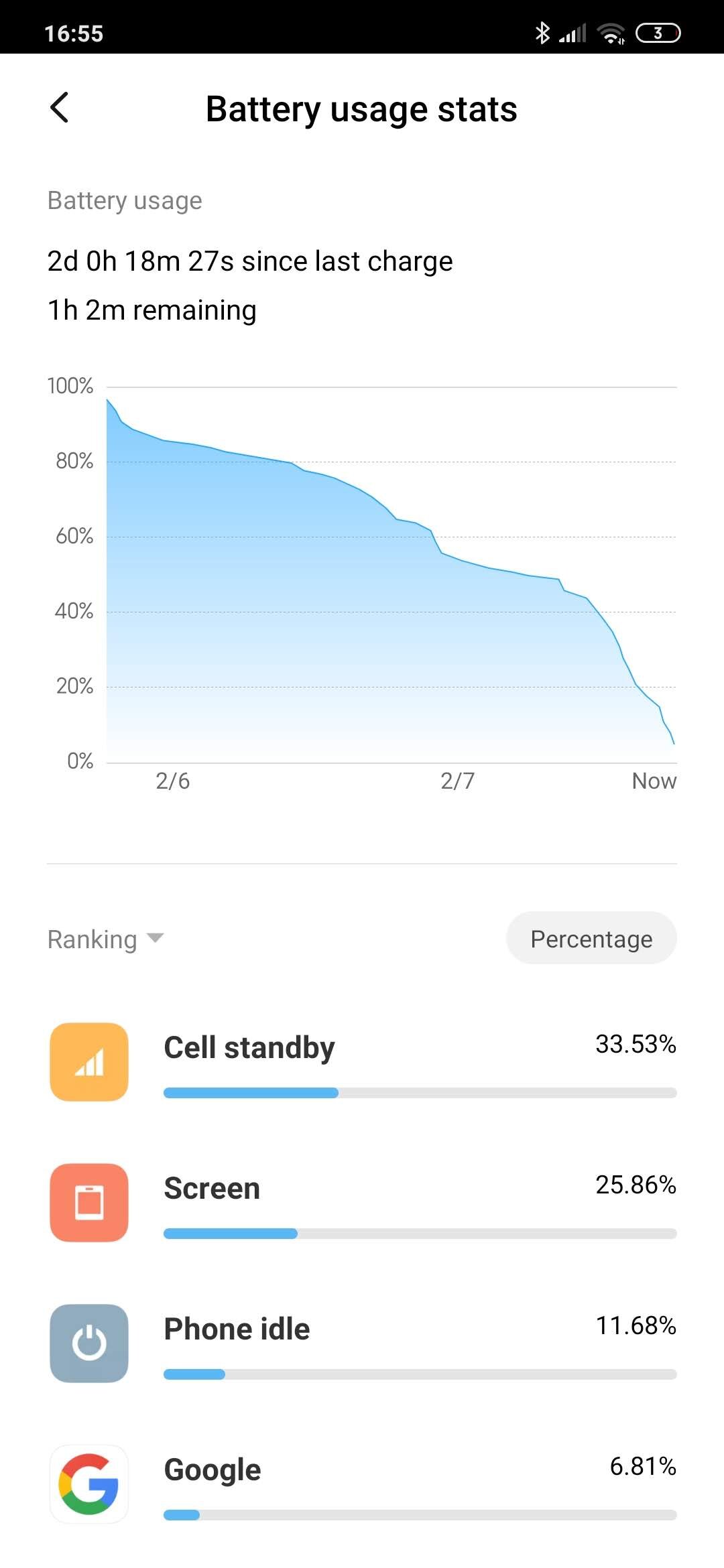
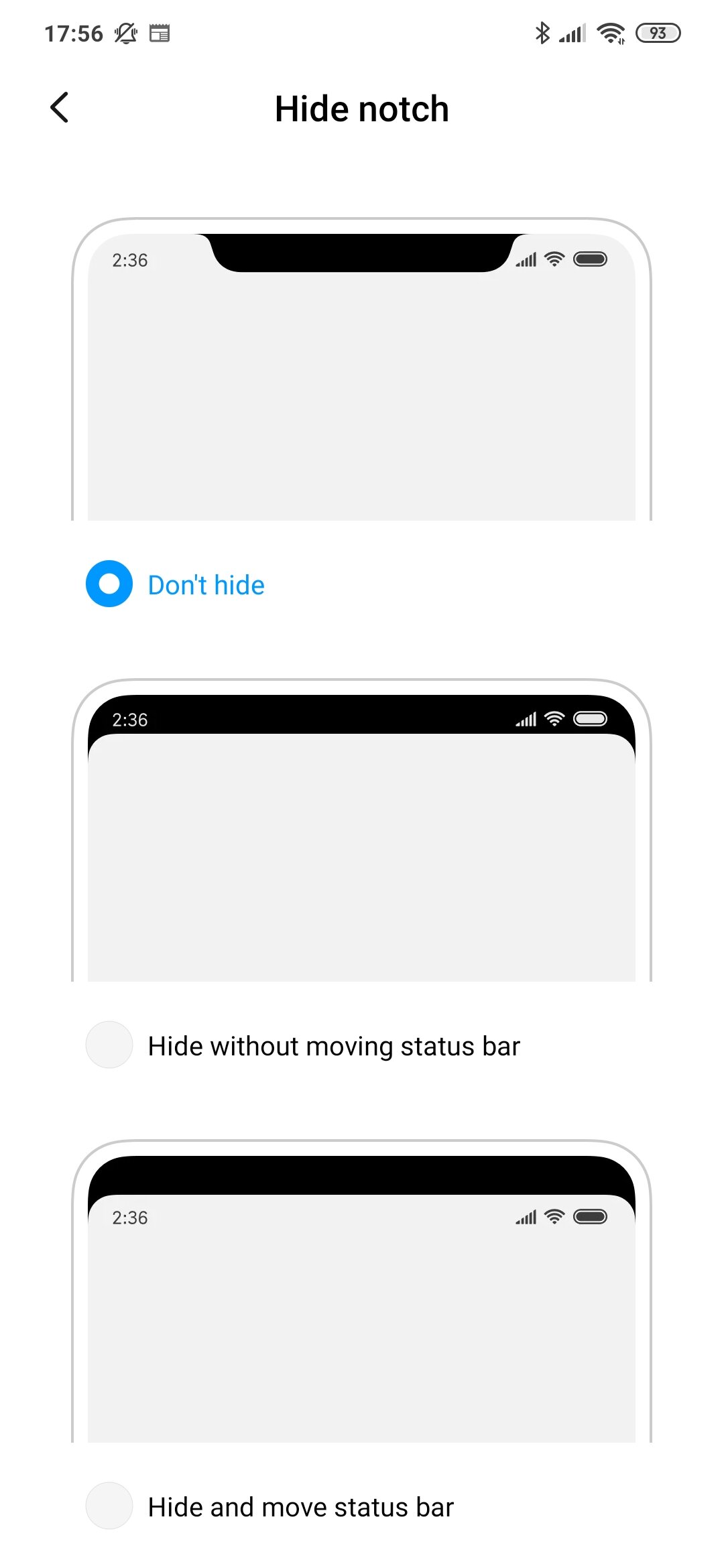
There’s a stack of data management and battery management tools to keep your device running smoothly and as it was “out of the box”. It’s a very granular system and means that you can fully control what each app is doing or can do with your battery and precious data. Stop background data, stop cellular data and more – it’s all there and it’s very easy to understand. You can even decide how the notch looks/behaves!
There is the odd bit of “weirdness”, bluetooth not connecting properly or the Wifi Hotspot being a bit hit-and-miss. Nothing too serious, and it is somethhing that i’ve noticed with XIaomi and MIUI devices before. I’m assuming its software related. Not a deal-breaker though.
PERFORMANCE
I was very happy with the performance. The Snapdragon 665 is verry similar to the 835 of a few years ago. I had no slowdowns, at times there were minute stutters, but I have a feeling this is more to do with miui then anything. The RAM management is aggressive, but since I’m running a relatively small number of apps it wasnt an issue for me. Video playback and Sound quality were good. I think proper AAA gaming might be a bit of a push, but it wouldnt have any problem with most titles.
BATTERY
The Note 8T come with 4000mA battery, and with an 18W Fast-charger. There are reviews out there talking of 2 day battery-life. MIUI does have a raft of power-management tools and I actually think this is achievable. Now, I have to qualify this by saying that this is a second device therefore doesn’t get as much use as my primary device. But the fact remains that 24+ hrs after I took it off the charger it still has 55% battery-life left means this is a bloody champ. Very Impressed. It finally died over two days later
CAMERA
The device has an AI enhanced quad camera system, with a 48MP main lens, with an 8MP wide-angle lens, and a 2MP Macro lens, AND another 2MP depth sensor. All of this means its actually a damn good camera. HDR is switched off by default (for some reason) but all the photos come out very reasonable indeed. There is some degradation of quality in low-light situations, and the Night Mode doesnt do much to enhance night shots. But still good nonetheless. The 13MP front sensor is reasonable at selfies too, with a dedicated portrait mode
Anyway, here are some samples




The Video is slightly more nuanced. There is Full HD upto 60fps, whilst eh front facing 13MP sensor maxes out at 1080p@30fps. It seems 4K isnt stabilised, and can be quite choppy. This is also slightly noticeable 1080@60fps, but it wasnt as significant or obvious as the 4k footage. I had a bit of difficulty uploading these, so unfortunately you’ll just have to take my word for it! Maybe we’ll be able to host them on our YouTube Channel https://www.youtube.com/techtravelgeeks
CONCLUSION
You know that thing of “if it sounds too good to be true, it probably is”? Well, this device might prove me wrong. It really has made me think of some preconceptions I had about mobile devices. We have such amazing computer power in our phones, that an unashamedly budget device could legitimately giving an experience up there with the top-end (maybe even flagship) devices. Frankly it could be the daily driver for many people and nobody would even realise the low price.
So in conclusion, I can recommend the device wholeheartedly. Majid says….YES
You can purchase the Xiaomi Redmi Note 8T here: https://amzn.to/38b9LTR

Android vs Windows? or Phone vs PC? - 2020
is Phone>PC?
Some years ago when I worked with my good friends at Coolsmartphone, I wrote a piece on Android vs Windows. https://www.coolsmartphone.com/2016/07/29/android-vs-windows/
I surmised that it wasnt actually the platforms that were the problem, but that the UI’s made the phone superior then the computer in many ways.
We are now in 2020, a new decade. Is that premise still true? In fact is it even MORE true? we have an insane amount of computing power in our phones now compared to 2016 when I first wrote the article. Well-Known Youtuber Juan Carlos Bagnell AKA @SomeGadgetGuy did a recent video ( https://www.youtube.com/watch?v=KbL5Qk3Pilo ) in which he argued that actually you can now do more, and with greater efficiency on your phone then your laptop. Frequent travellers especially would find this interesting. So i decided to revisit this.
SCENARIO 1
I like to think of myself as an aspiring comedian, so when the Harry Meghan Megsit Saga was unfolding a few weeks ago, I decided to make a video overdubbing Prince Charles complaining about the whole situation (in Urdu). https://www.youtube.com/watch?v=wvezjHi8qhM
YesNow I’m not just shamelessly plugging my anaemic YouTube channel. I agree it probably isnt the best video out there, the lip-syncing is wrong etc etc.
BUT
This was all done on my OnePlus 7 Pro in about 45min. That is recording a voice track, finding a video sample of a Prince Charles Speech, editing the video, changing the audio, rendering and then posting it on Youtube. All on the phone using mobile apps
FORTY-FIVE minutes, I didnt even switch my laptop on.
SCENARIO 2
I have been involved in some interviews and investigations in my role at the hospital. I also go to many courses and meetings. Windows 10 has great Inking and Stylus support and the OneNote App is great.
The other day, i just had to open a file, review the pdf, amend, and sign. Time for my trusted Lenovo Miix. Something that this device wouldve been built for right? Yes….
BUT
For some reason Windows had difficulty connecting to my Wifi, and in the end i just gave up and used my Galaxy Note Tab A + Spen (not the most common tablet out there, but a bloody good one, snap one up if you can) and in the time Windows finally connected and downloaded the files, I had already done the necessary edits, signing, inking and emailing. Max 10 minutes.
AND YOUR POINT IS?
in 2016 when i first discussed this topic, it was true of “quick” tasks like emailing and quickly editing a file. Now in 2020, in addition to those. Proper content creation can be done mobiles. On the go, no specific extra equipment required. I have even heard of a an Indian News Channel (NDTV) doing some of their studio filming on a Galaxy Note 10!
Juan is right. Maybe the phone in your pocket is all the computer you need.

Redmi Note 8T Review - Introduction: How the NHS made me decide to get a Xiaomi
An introduction to what brought Majid to purchasing a Redmi Note 8T.
Xiaomi has really hit it out of the park over the last few years. Coming from relative obscurity in the West 5-6 years ago, to now being one of the biggest consumer electronics brands in the world. There have been major successes such as the Mi 9T, the Mi A Series, as well as sub-brands like Redmi and Pocophone. They have brought innovation, great features at amazing prices to audiences worldwide.
I have owned a number of Xiaomi devices in the past, from the original Redmi Note to the Mi 9T (Redmi K20). Every time I have been wowed by the design, the features and the value for money.
But… (there is always a but)
MIUI, Xiaomi’s version of Android, is not my favourite android skin (sorry Matteo, I mean distribution). I am not a “Stock” Android purist, I have had many different devices over the years, and things like One UI (from Smasung), LG UX (from, you guessed it, LG), EMUI (from Huawei), and others, each bring their own value and features to each device. I even wrote an ode to Samsung’s old TouchWiz once! (https://www.coolsmartphone.com/2016/08/24/an-ode-to-touchwiz-surprisingly/) and really liked One UI on my (stolen) Galaxy Note 9.
Just for clarification, I say “Stock” in quotes as there is really no such thing: there is the Android Open-source Project (AOSP) on which OEMs build their own experiences, Google included. My personal favourite is Oxygen OS from OnePlus which is fast, configurable and updated regularly.
MIUI is a bit too much for me. It looks and behaves too much like iOS (Apple’s mobile operating system). I think MIUI feels heavy, bloated, and full of unnecessary apps. I couldn’t disable or hide, let alone uninstall, the apps or services I didn’t want in most cases. MIUI 10 on the Xiaomi 9T (Redmi K20) has improved a lot in this space, but basically after using the OnePlus 7 Pro, I just couldn’t deal with MIUI, and so like many of my previous devices it got sold or passed on to someone who would benefit more from it.
I’m not a professional reviewer or influencer at Tech Travel Geeks yet, so companies haven’t sent me stuff to review recently. I have use my hard-earned cash when choosing and purchasing devices. So having made that clear, why did I end up purchasing a Redmi Note 8T?
The reason is my employer, the national institution which is the National Health Service also known as the NHS.

Now before you ask “what in the world of all that is holy in the Linux kernel”, I need to provide you with some context.
The NHS is a cash-strapped organisation, this isn’t big news to nobody. IT support and software vary widely round the country due to the nature of the regional organisation of the NHS and procurement being different and varying between Trusts and Hospitals. This is in part due to limited oversight from the Department of Health when it comes to the day-to-day running of the NHS. In this environment, its not surprising that IT has its challenges. Most machines with desktop operating systems are only just getting updated to Windows 10. Much software in use feels like it could have been written by an 8 yr old with Amiga BASIC, and there are also considerations around legal requirements of Information Governance and patient confidentiality in the mix.
There have been some successes withing the English NHS as well: I would like to give a shout out to Dr Li (https://twitter.com/ywl197) for his work in integrating patient records. There have also been successes in electronic patient observations and even tele-medicine. But these differ from hospital to hospital and do so wildly sometimes.
As a junior doctor, IT support wasn’t really front and centre for me. I was rotating around hospitals frequently, doing night-shifts, all while sitting professional Royal College exams. As long as I could do what i needed to do at work, then that was enough for me. That’s the sort of background to how I got my Lenovo Miix 510 (https://www.techtravelgeeks.com/blog/2018/10/10/the-perfect-travel-laptop-which-doesnt-break-your-wallet) which fulfilled my needs, and I had a desktop computer at home for when i needed to make presentations/write papers and needed a full desktop experience.
Now that I have been a consultant for almost 5 years and am a permanent employee of the NHS, my outlooks on matter have changed. When I look at my friends working in (non-healthcare) companies, i see they get company laptops, company phones, company cars and anything else they need to do their job.
Me? I just have my trusted Lenovo Miix and use whatever phone I own at that point. I could try and get a Trust-certified device, but I’m not sufficiently up the management food-chain for that yet.
I have at many times decided to use multiple devices at once, hence the hashtag #Dr2Phones, but I’m nowhere near our Chief Mobile Opinionist’s levels. This is probably because I’m a tech enthusiast (and seem to have no interest in paying enormous mortgage according to my wife). I like to try out different things and see what form factors and software experiences work for me. Having said that I have never reached the stage where i needed 6 phones (looking at you Matteo).
This all leads me to the situation where my personal phone and SIM card is what I use at work. I’ve always had some reservations about this, but as a Doctor it is what I have been doing for the 17 years. I just get it done. Most of my colleagues are in the same situation, and don’t seem to be having issues around this.
Recently this was now starting to have an impact on my personal life. I found myself replying to work emails when out on a Saturday night with friends or answering clinical queries via a WhatsApp from junior colleagues in the evening.
This situation has ramifications: I find difficulty switching off and detoxing from tech. I also found this was causing disruptions to my family-life and blurring of professional boundaries. Generally, this could have caused trouble.
Therefore at the beginning of this year (and decade), i resolved that it was time to compartmentalise fully. It was time to make a clear separation between my work and personal life. This meant that my personal phone number would be separate from my work number. I tried this on a dual SIM device, but again that was a non-starter as I just kept on getting “dragged back in” as Al Pacino said in The Godfather 3 because notifications still popped up.
I decided it was time for a new smartphone. Unfortunately, my stolen Samsung Galaxy Note 9 had left me severely out of pocket. I could have gone for a carrier provided device and SIM, but I couldn’t seem to find the right fit (is it me or has carrier choice/value in the UK decreased significantly?). Plus I already had another SIM and you always tend to save money buying outright over a couple of years.
As an NHS England Consultant Anesthesiologist what do I need from a work phone? Well, the same things you want from a good travel phone (see what I did there?).
The list is like this:
Good battery life
Descent performance
A reasonable camera (for scanning documents)
A nice screen to facilitate editing files
That’s basically about it. I also want a work device to be inexpensive. I am very conscious that I am lugging around almost £1000 worth of equipment in my bag at work, and security is a problem in some hospitals. I also work in operating theatres where there are communal areas outside the theatres themselves lockers are limited. The whole point of this exercise is to enable me to be contactable, especially in an emergency. There is no point in making the upgrade if your phone is sitting in your tiny locker and not getting used for what it’s for.
I thought of just getting something like the Nokia 1 or current equivalent budget smartphone. Frankly I needed and wanted a bit more horsepower, and whatever I thought of MIUI (Xiaomi’s Android distribution) I knew that Xiaomi was a brand I could trust with quality and security/OS updates rather than other branded devices. Yes I could have gone the whole hog and spent more and got something with enterprise-grade security (e.g. Samsung with Knox, Pixel with the Titan M chip or the recently departed Blackberry KeyNumber device) but the price factor always came back into play. Remmber, this was my own money I was spending.
I shopped around, and came across the Redmi Note 8T. It looked good on paper, the symmetry of having had the first Redmi Note in 2015 and now have the 8th one appealed to my sentimental side… And what I got for £150 astonished me.

This has been a bit of a long intro, thanks for reading all the way here if you made it. I hope the scroll indicator on Tech Travel Geeks caught your eye while you read.
And on that (Redmi) Note (8T), I’ll leave you dangling: Part 2, where I actually review the device, is coming soon to Tech Travel Geeks!

Xiaomi Mi 9T (Redmi K20) - All the Tech Travel Geeks videos
All the Xiaomi Mi 9T (Redmi K20) videos by the Tech Travel Geeks in one place: the review, the unboxing, the sample video and the case Matteo is using.
In July I ended up buying a Xiaomi Mi 9T from eGlobal Central and have been loving it since it was delivered.
Lukasz, our Chief Aperture Officer, and I have made a few videos for the Tech Travel Geeks YouTube Channel about the Xiaomi Mi 9T. It is now time to share them with you here on the website too.
We really enjoyed making these videos, and overall it is a device which has earned the honour of housing one of my main SIM cards.
Would you like to know more? Is there anything we haven’t covered and you have questions about? Reach out to us on Twitter, leave a comment on this post or on any of our YouTube videos. We are happy to geek out about this excellent device.

Nokia 4.2 Gallery and Specifications
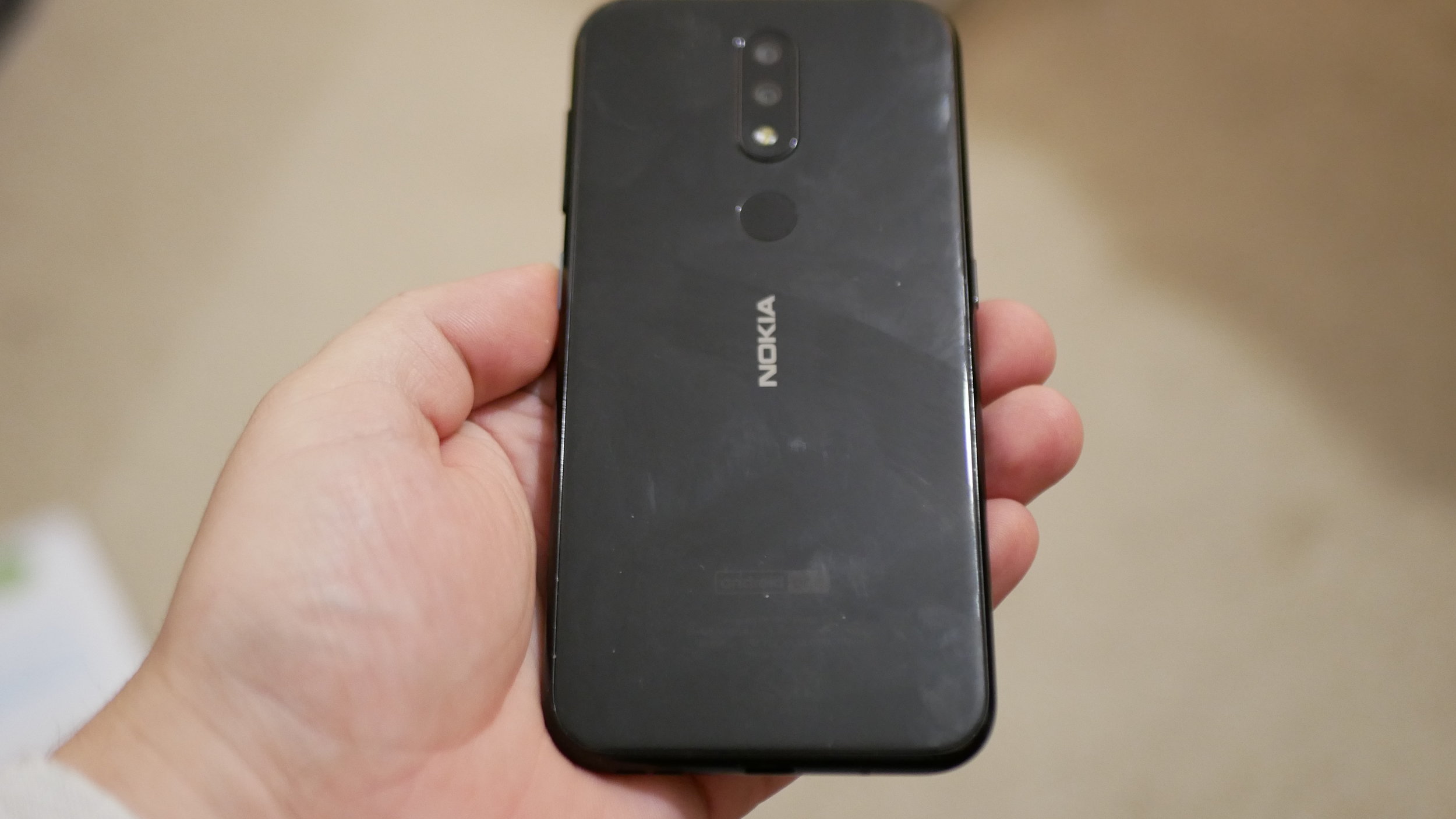
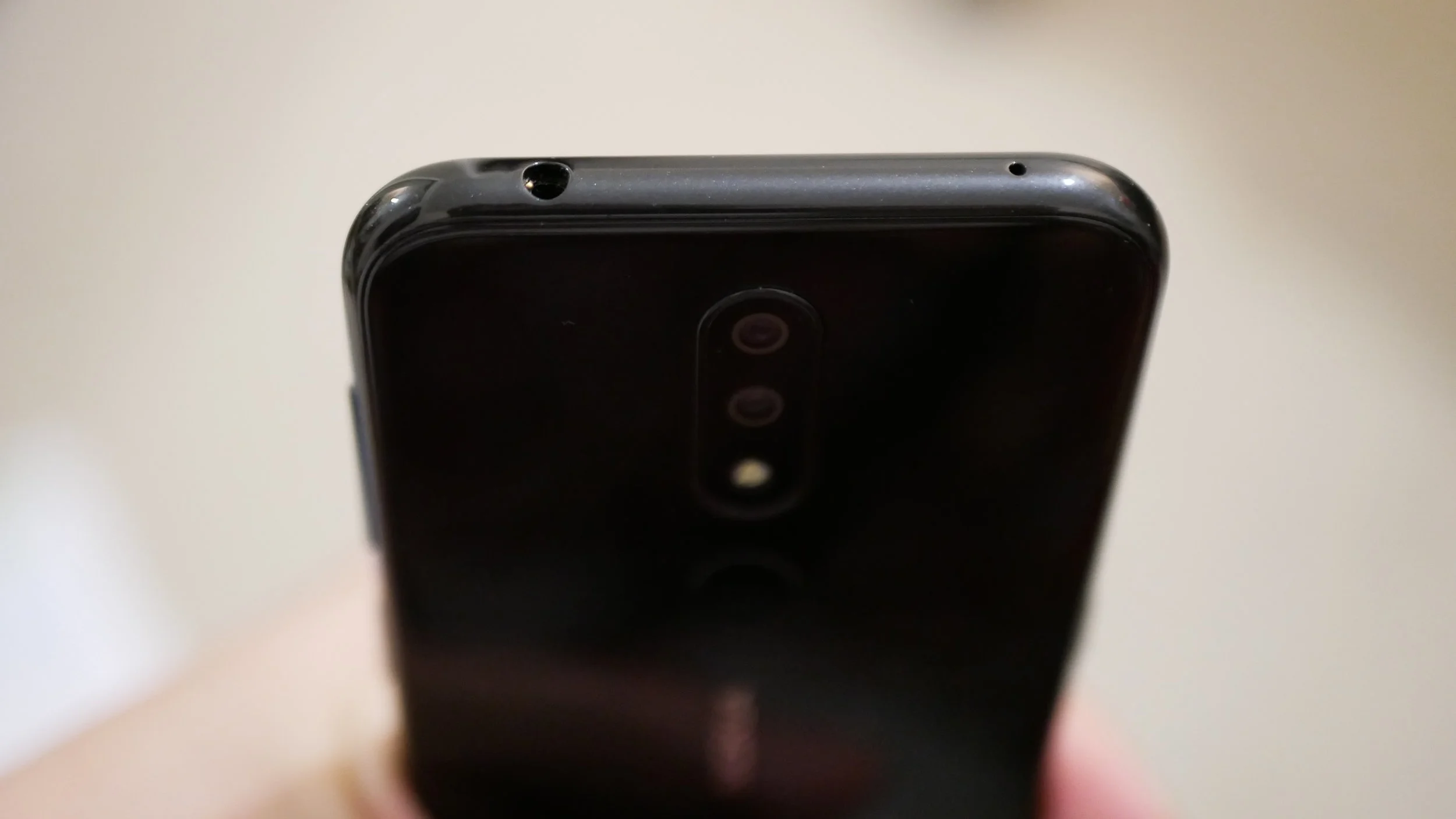
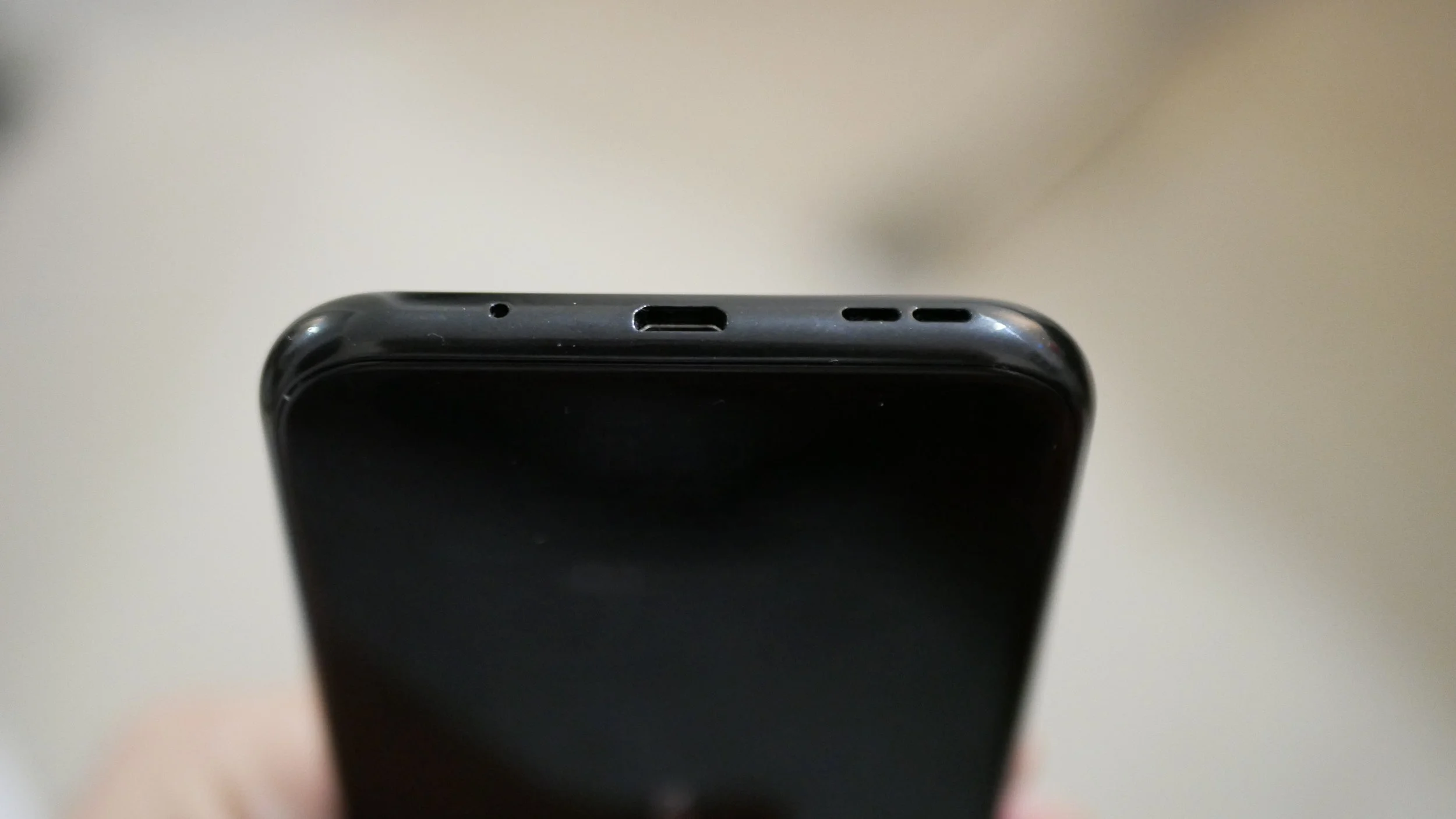
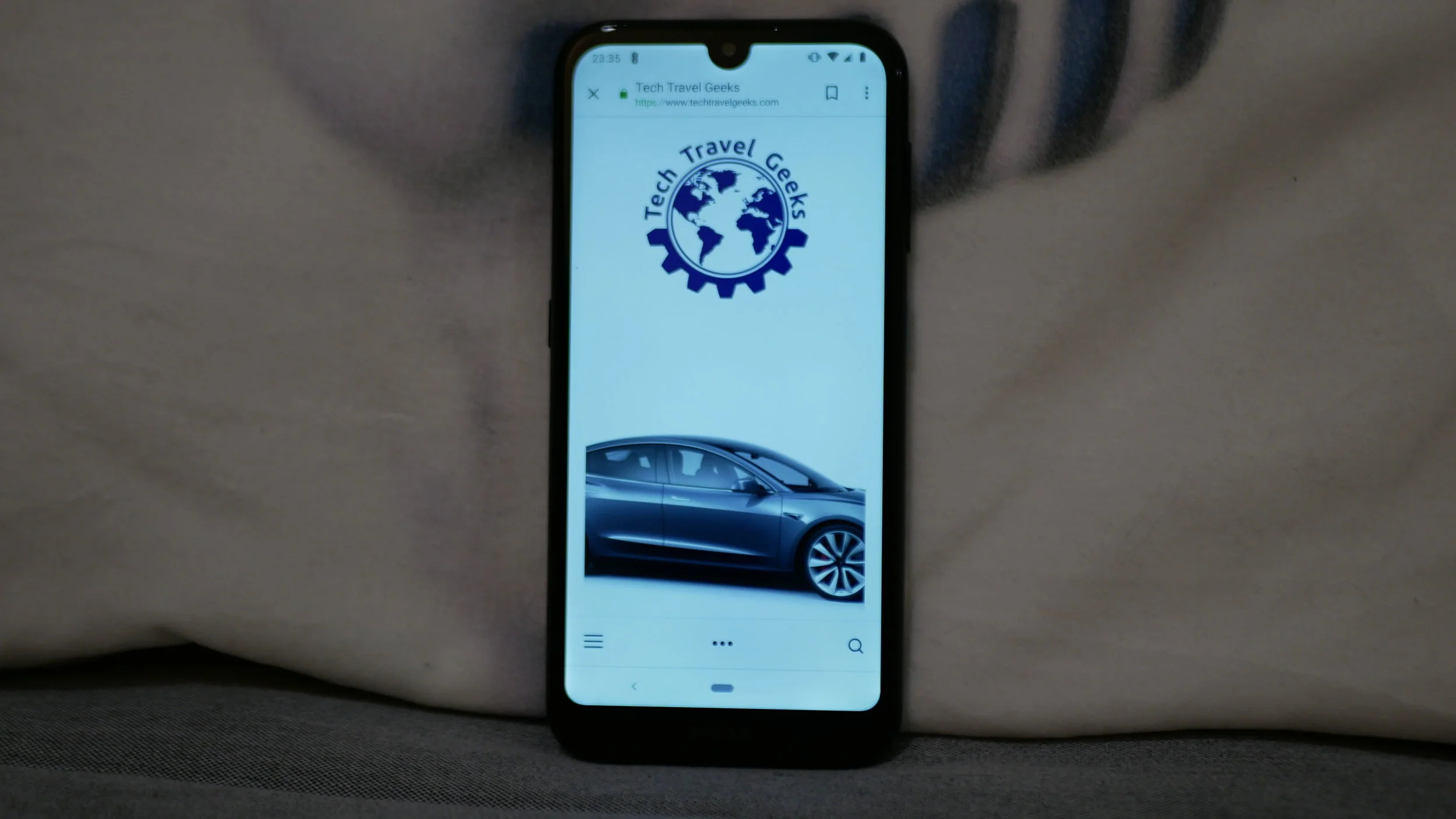
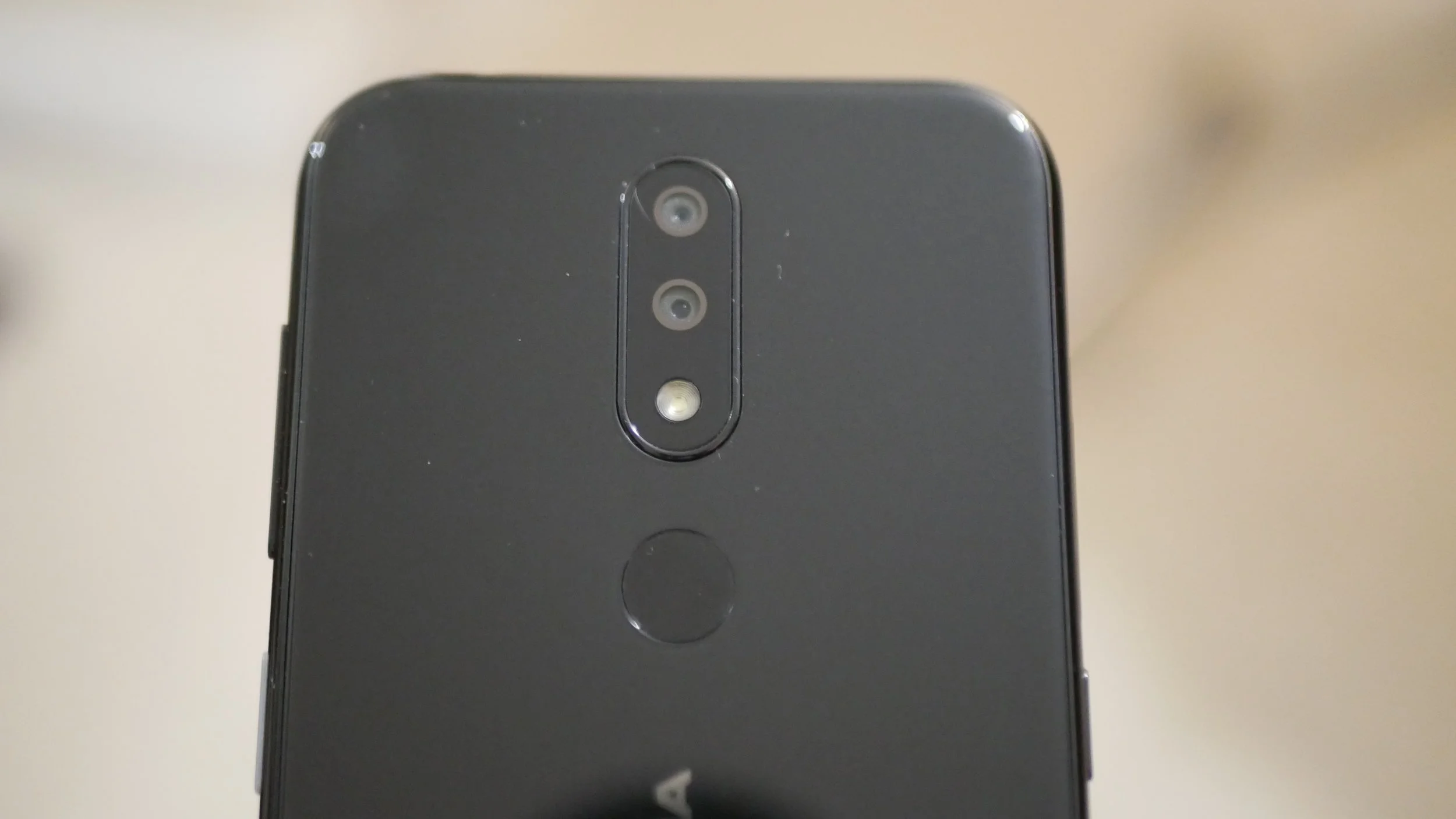
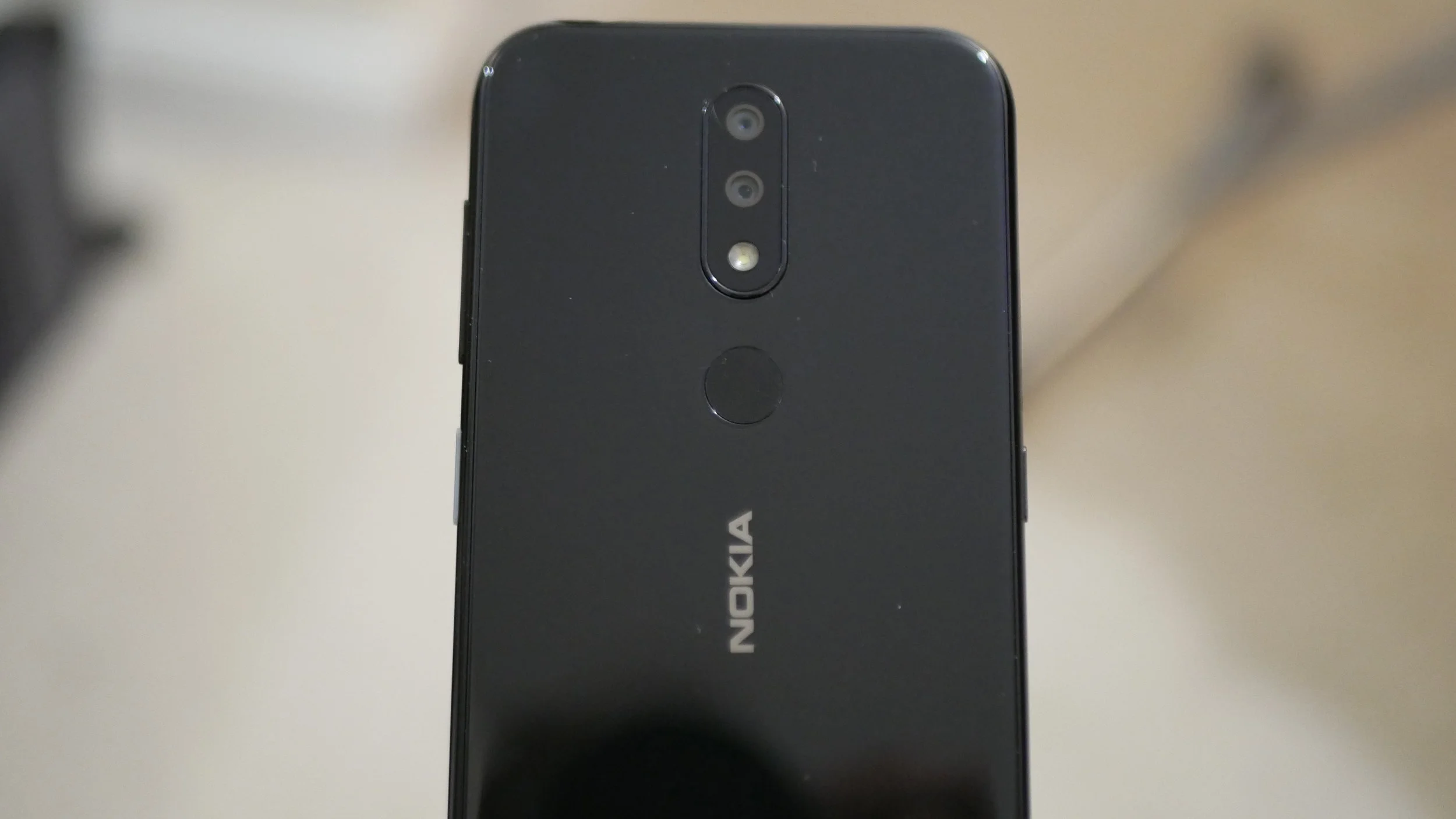
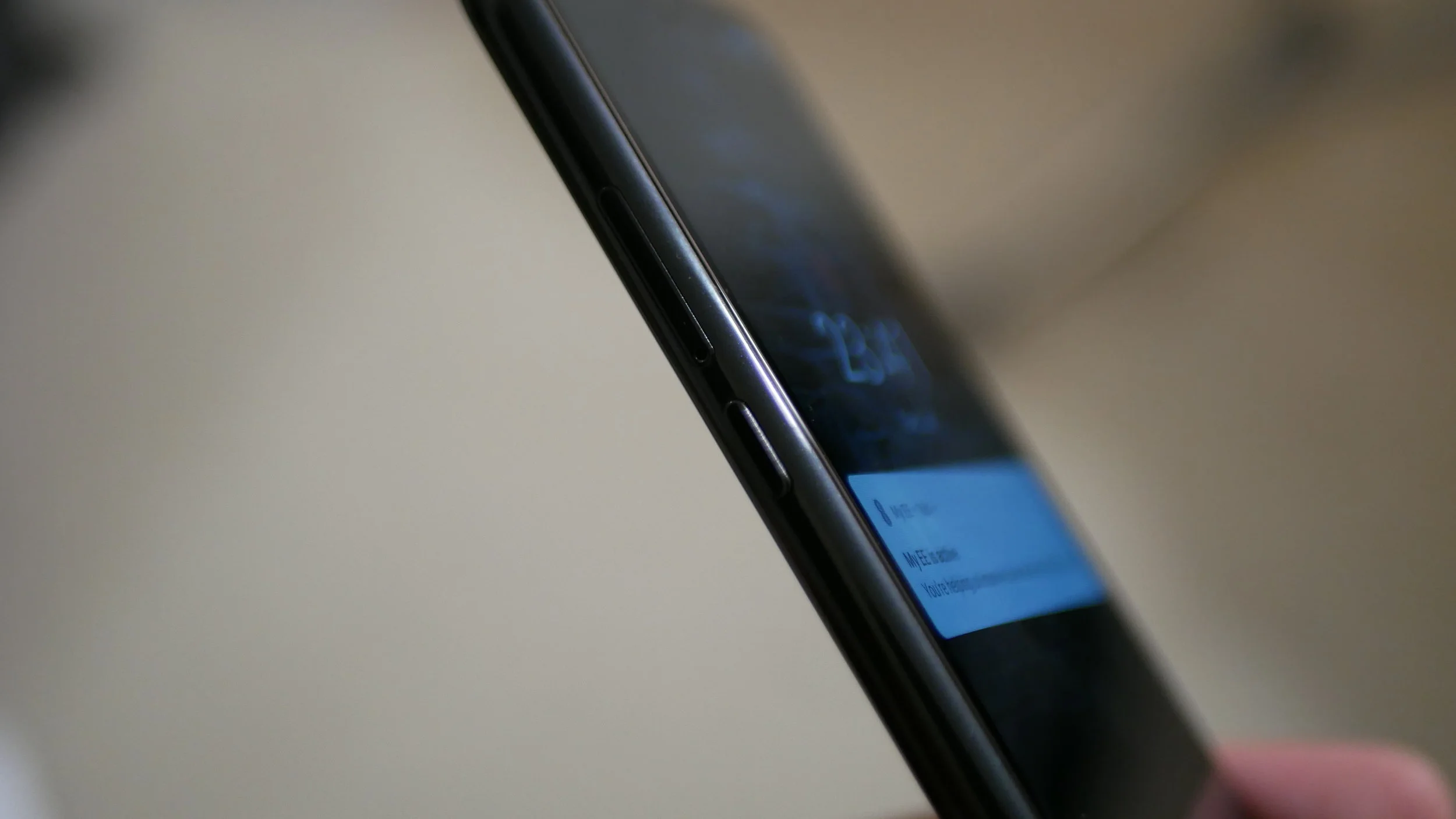
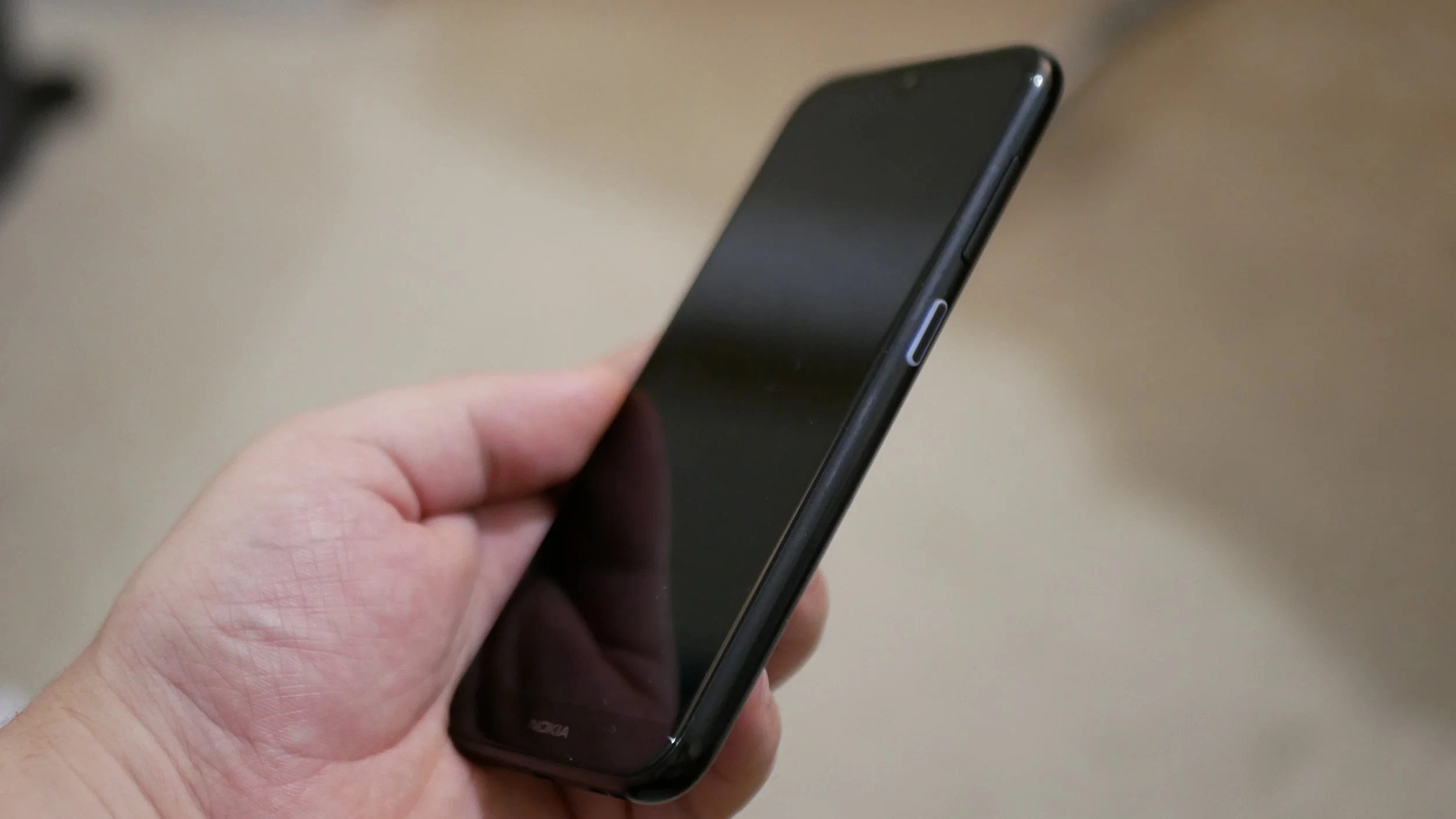
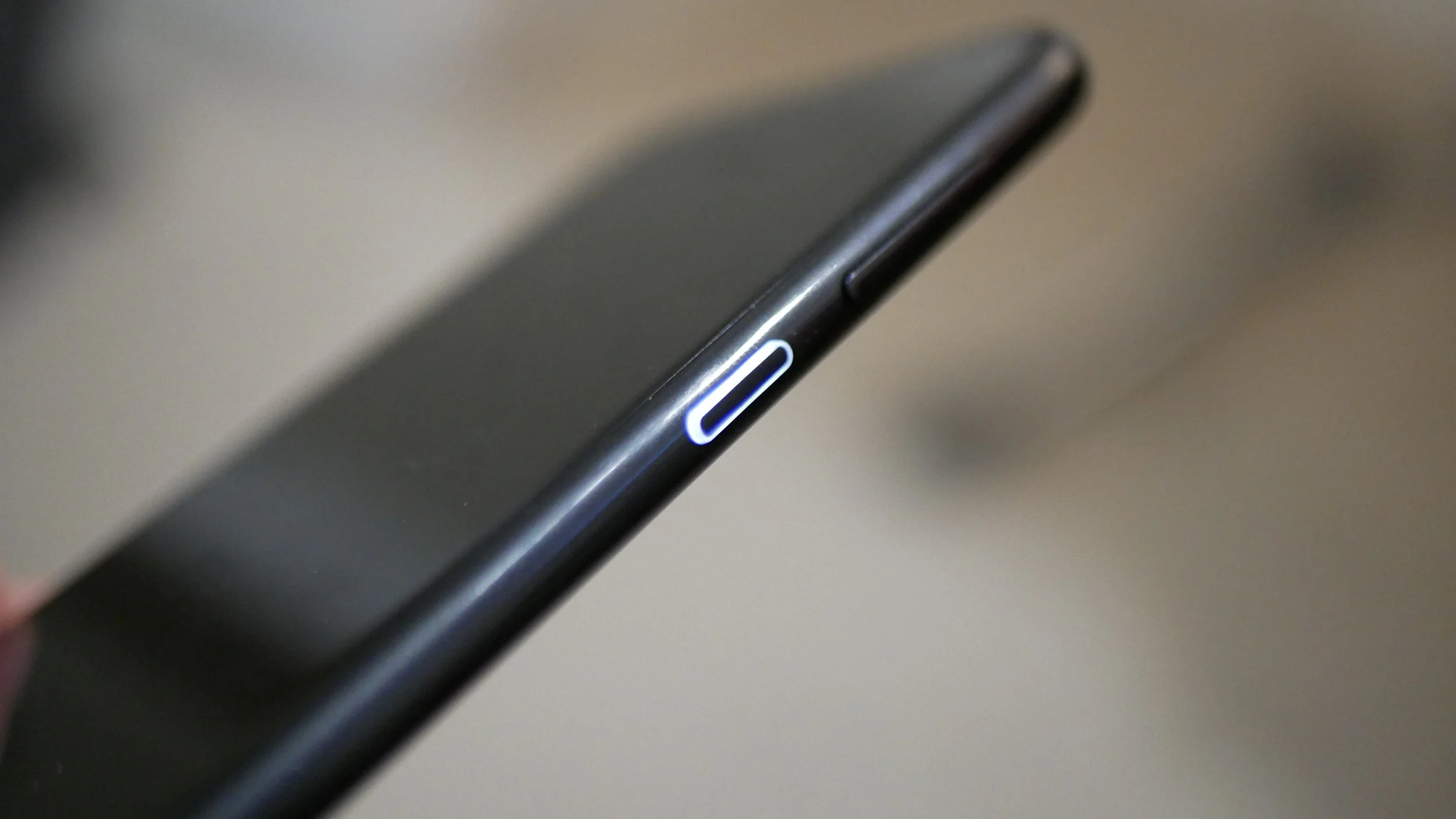
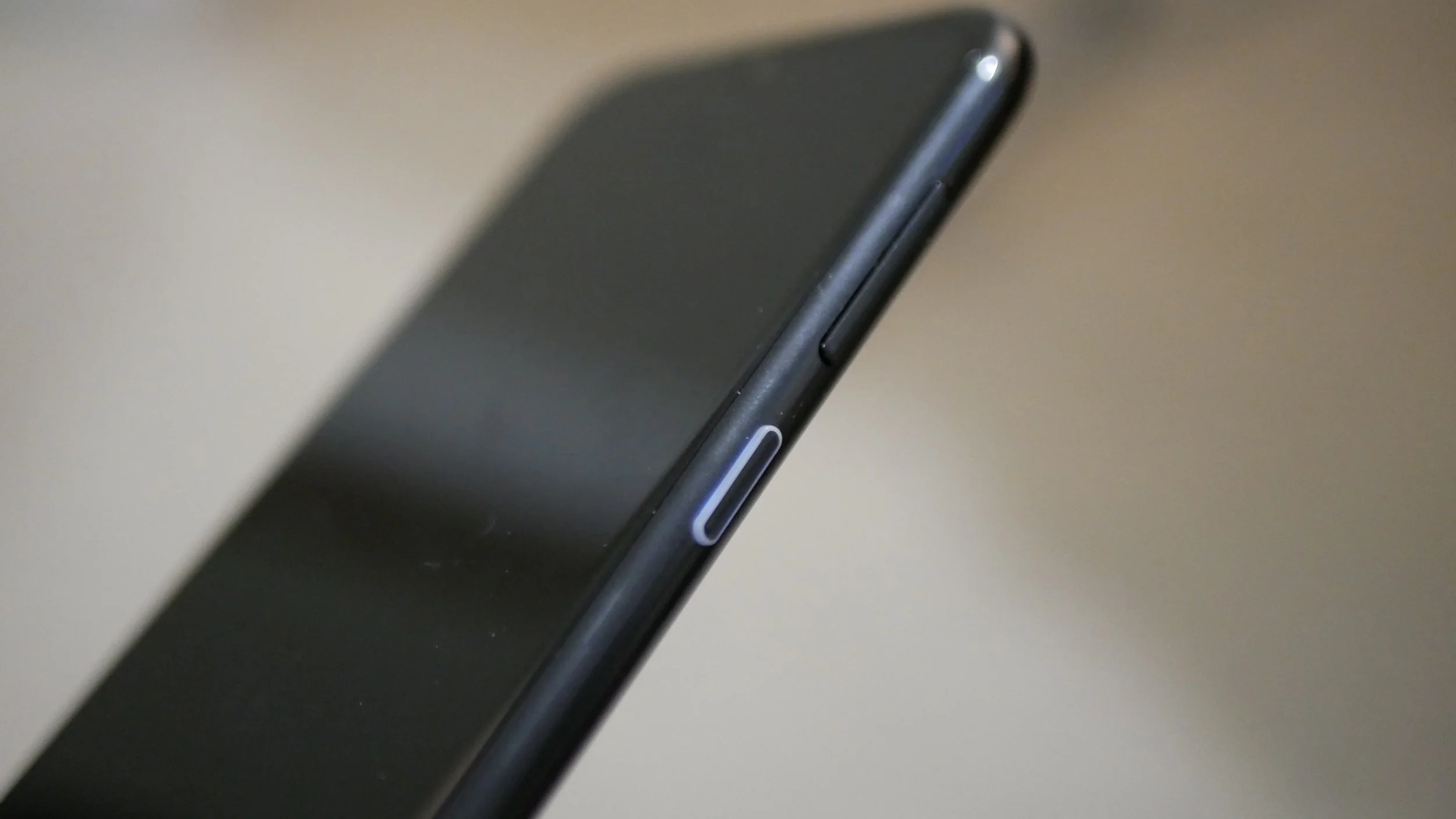
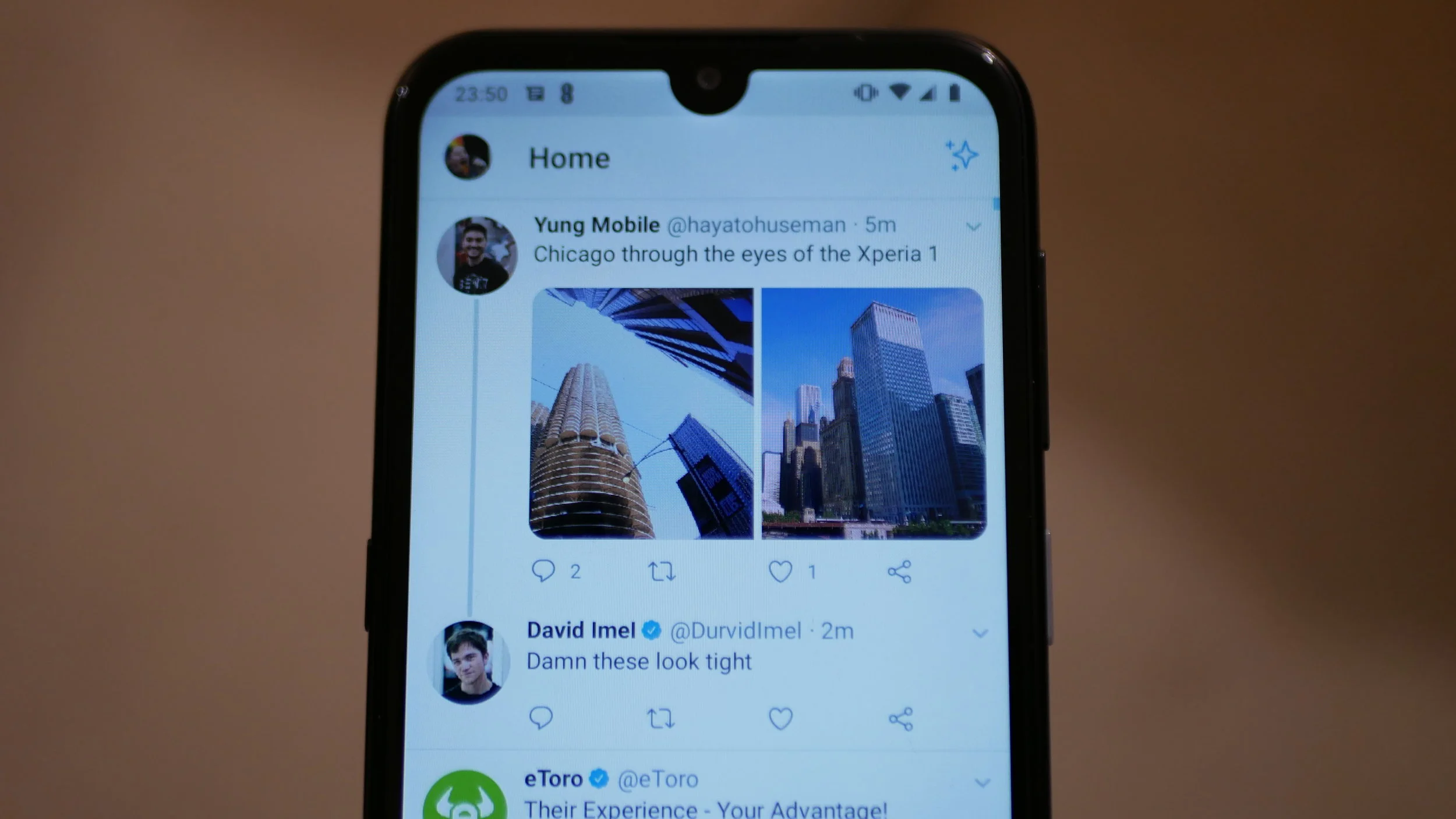
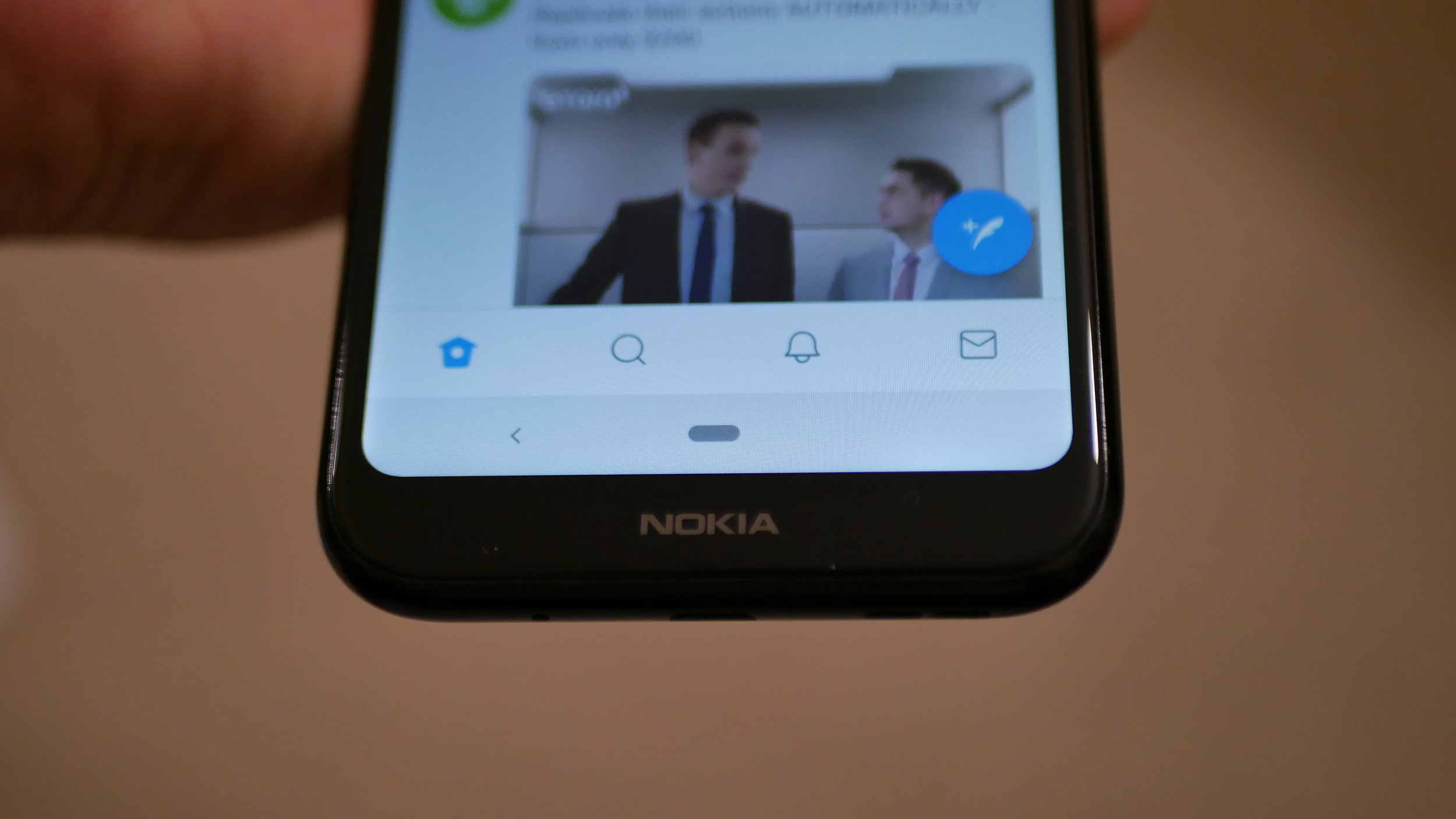
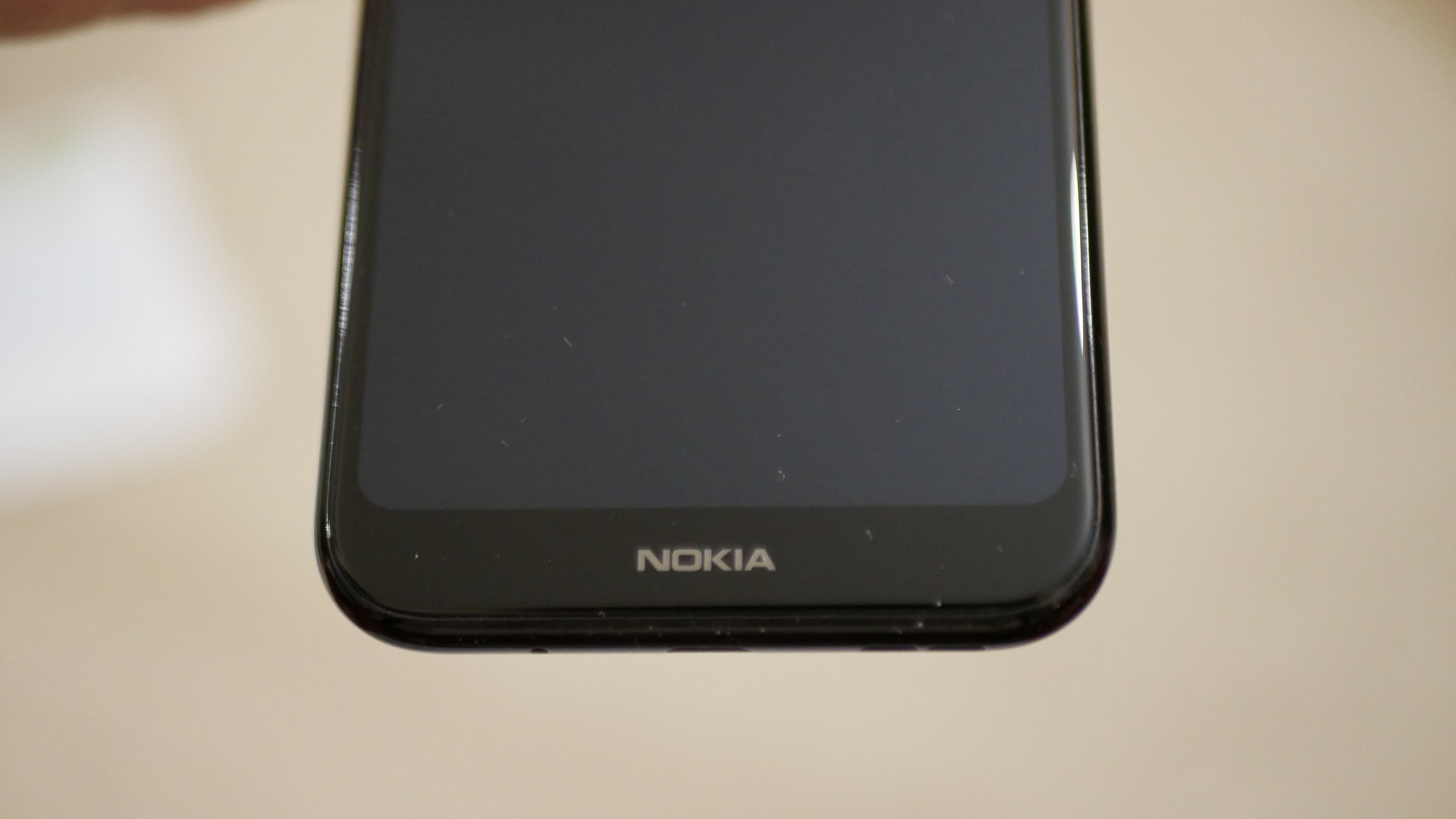
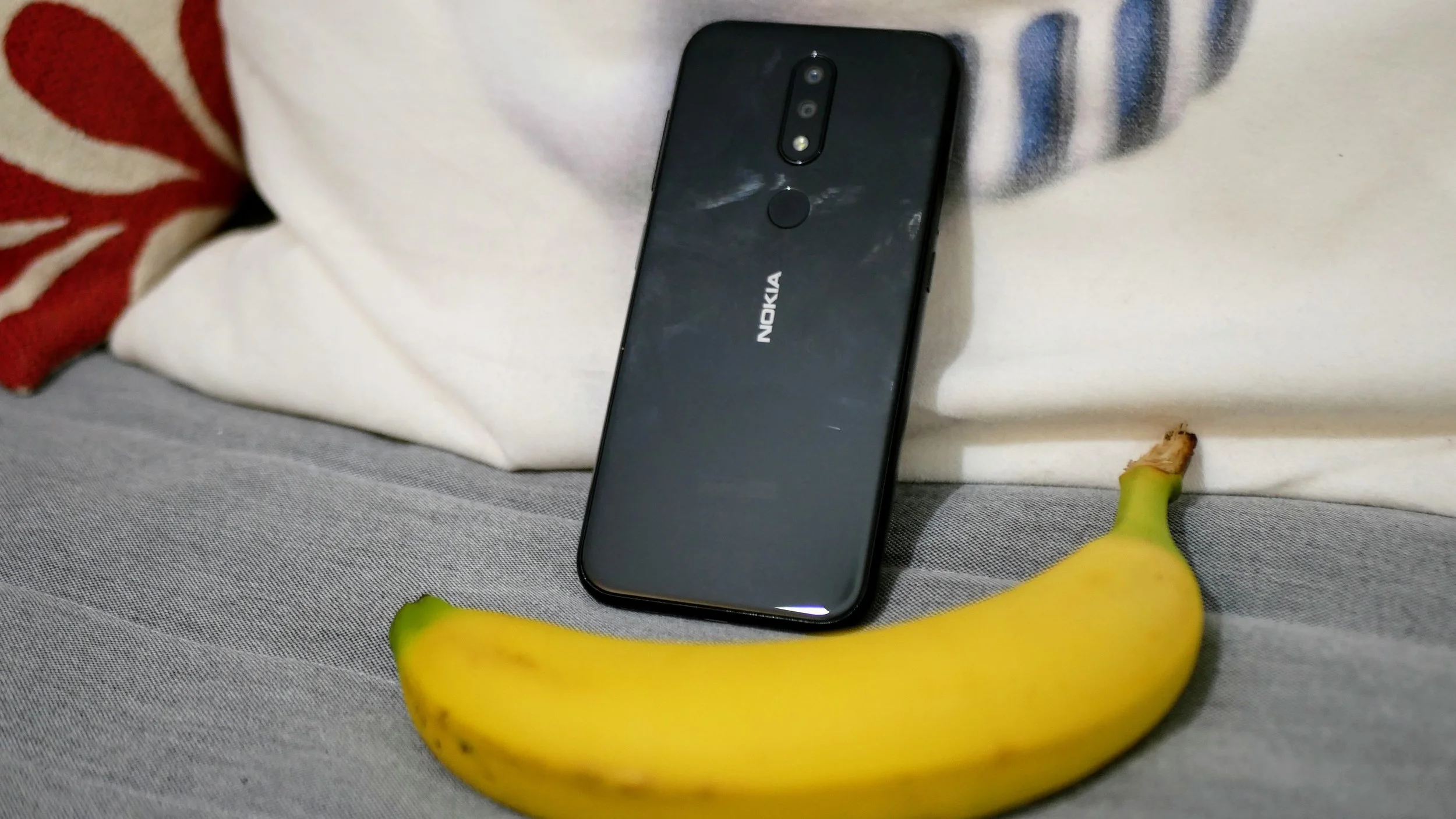
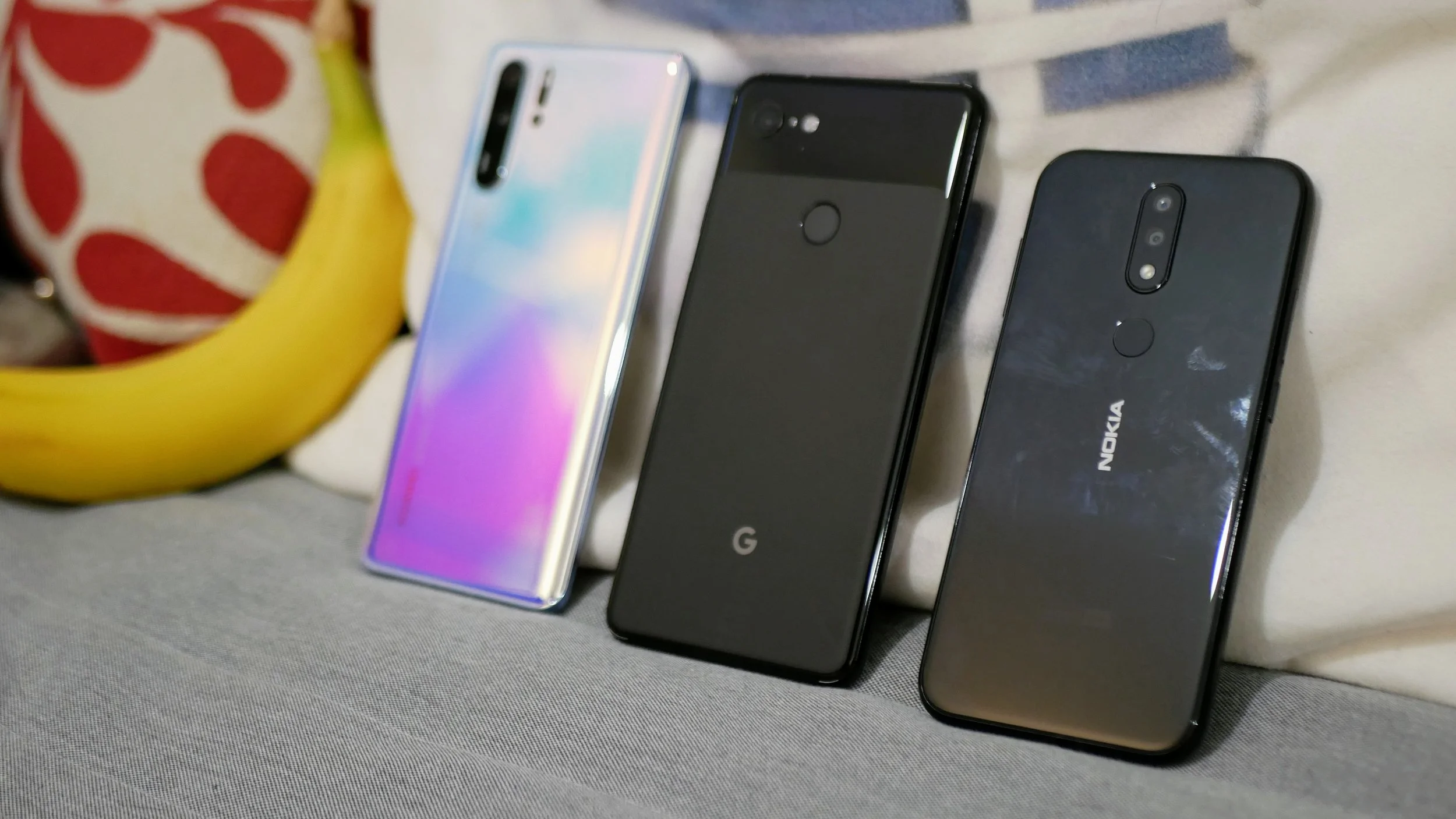
A gallery showing off the hardware of the Nokia 4.2 Android One device. Full review coming soon on Tech Travel Geeks.
I’m working on putting the finishing touches on the Nokia 4.2 Android One smartphone review.
In the meantime I have decided to publish the gallery of stills of the device. The main purpose of this is to have some visuals to talk over during the upcoming episode of All About Android on the TWiT Network.
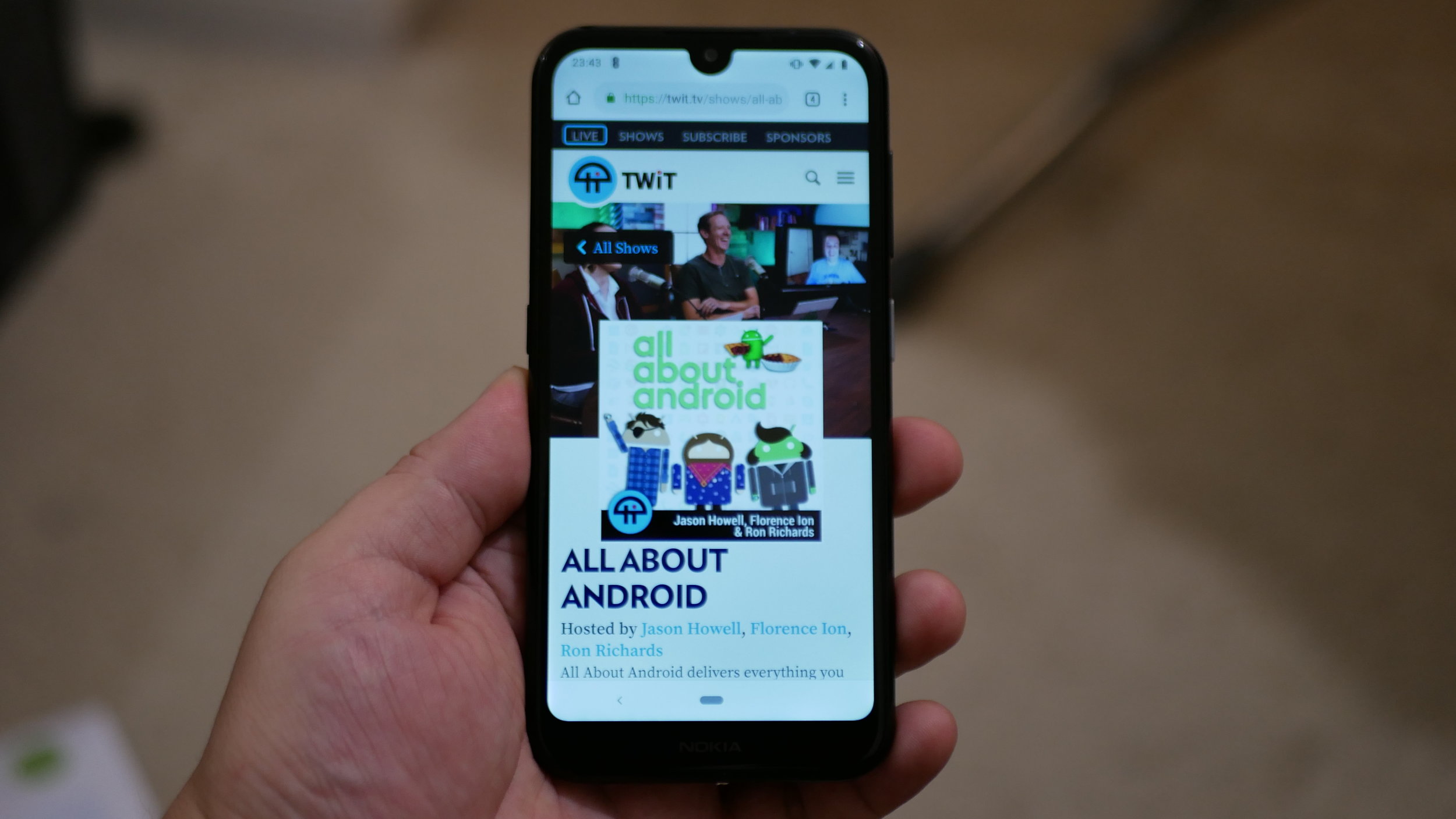
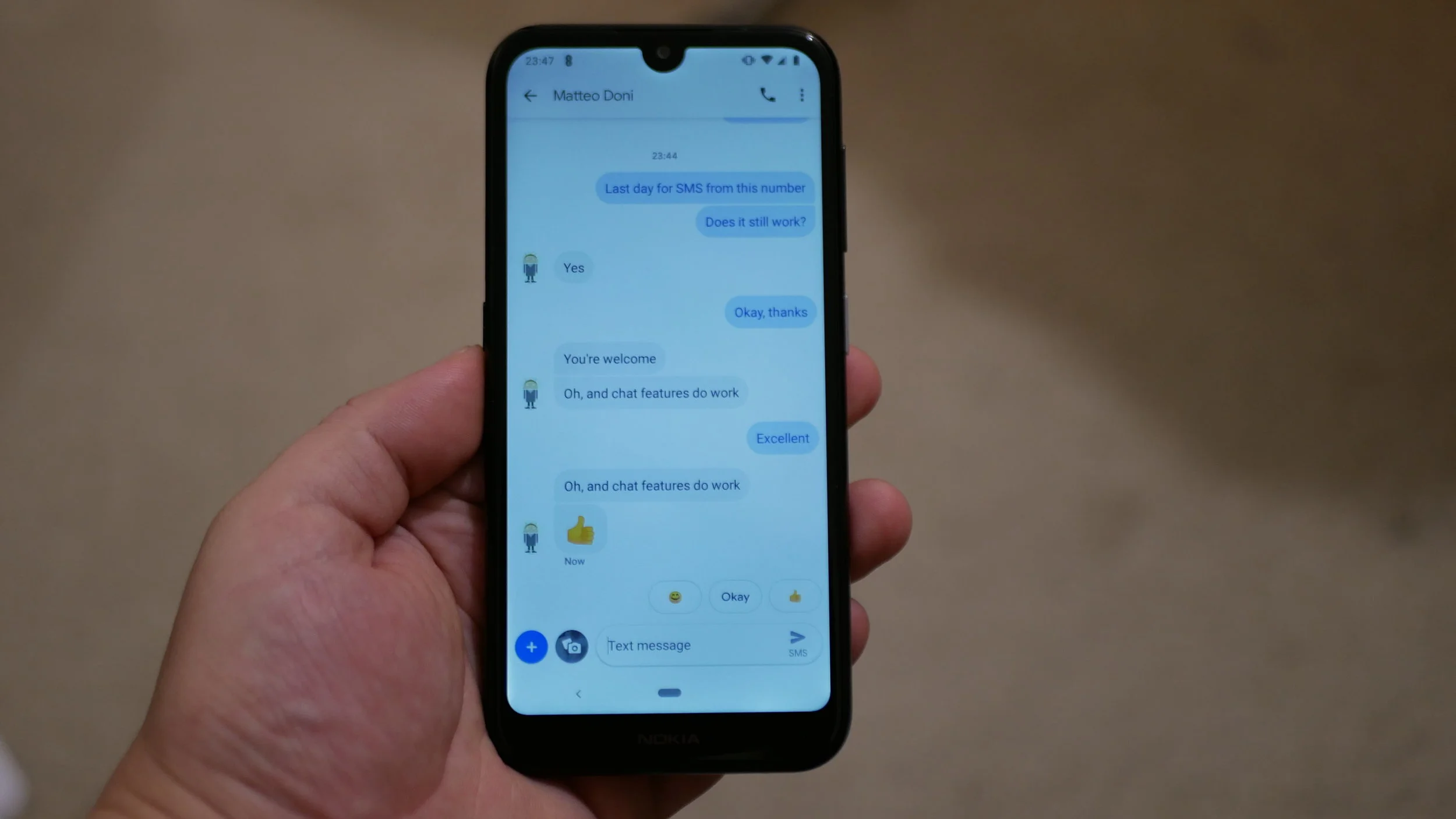
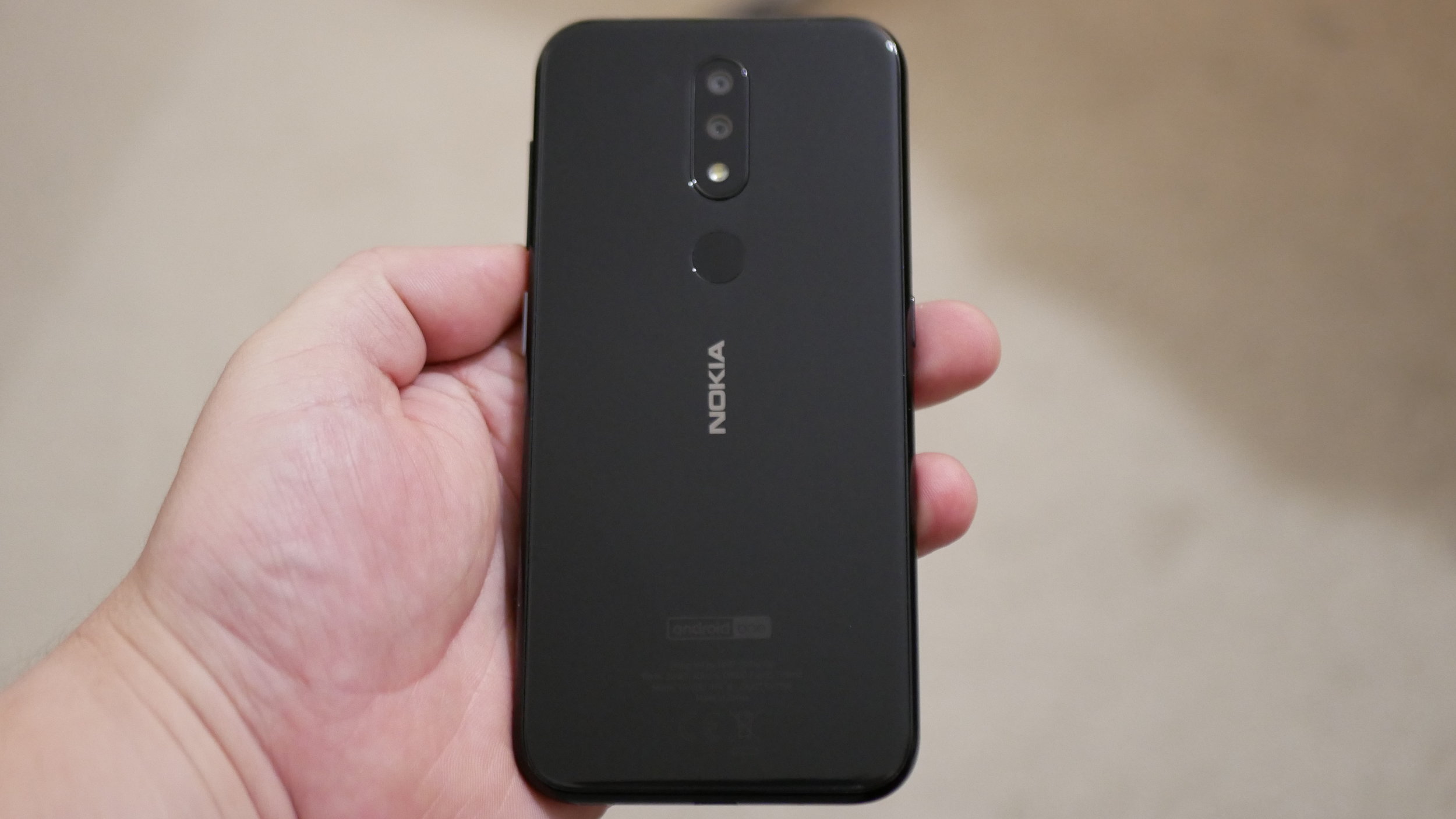
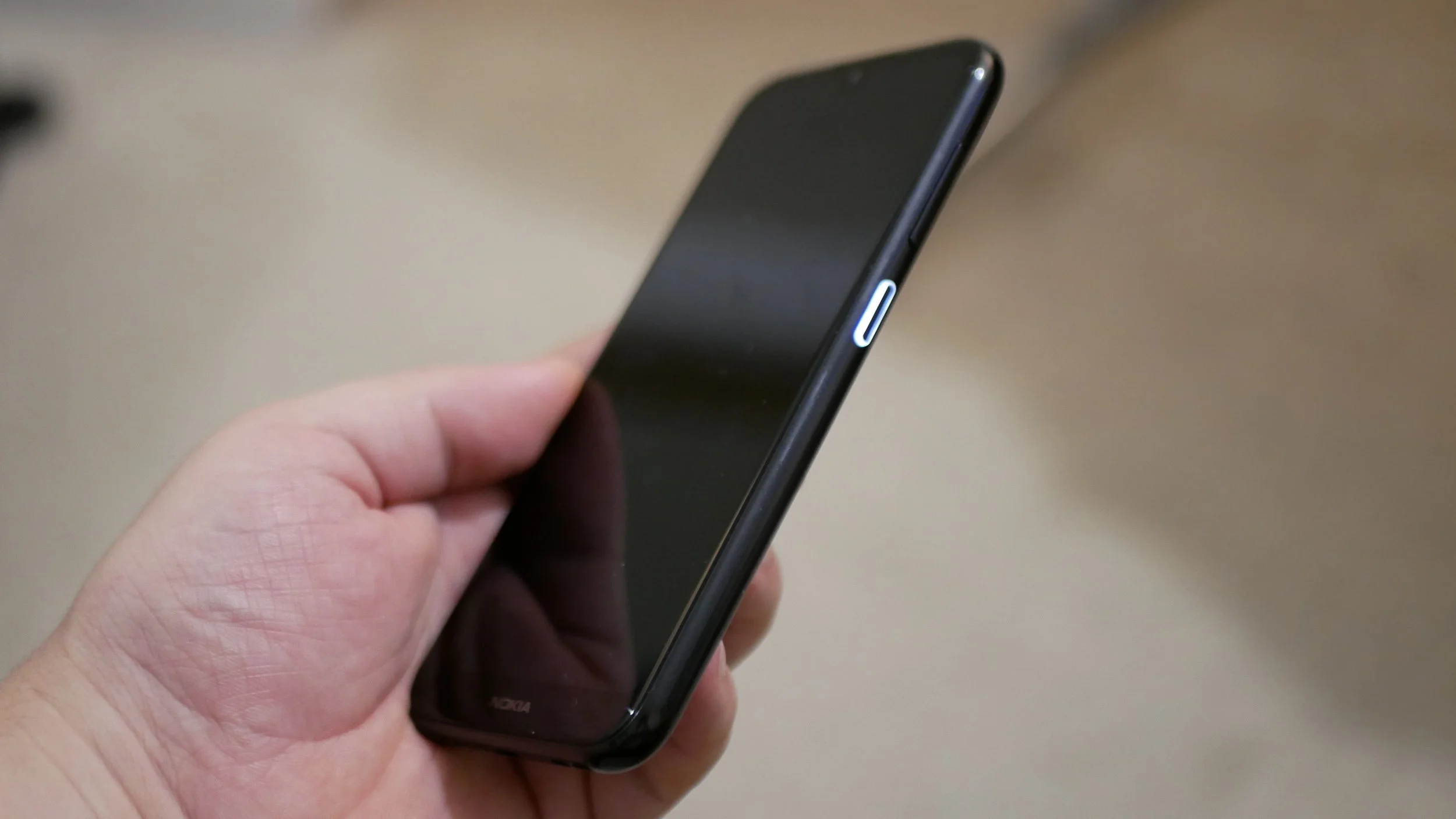
Key Specs & Features of Nokia 4.2
Operating System
Android v9.0 (Pie)
Display
5.71 inches (14.5 cm) bezel-less display with waterdrop notch
Performance
Qualcomm Snapdragon 439 Octa core Processor
3 GB RAM
32 GB internal storage, expandable upto 400 GB
Camera
13 + 2 MP Dual Rear Cameras
8 MP Front Camera
Battery
3000 mAh battery
Connectivity
Dual SIM: Nano + Nano with Dual Standby VoLTE support
SIM1: Supports 4G, 3G
SIM2: Supports 4G, 3G
Special Features
Rear Fingerprint Sensor
Face Unlock
3.5 mm headphone jack present

An Optimist's Opinionism about the Huawei News
Matteo, the Chief Mobile Opinionist at Tech Travel Geeks is uncharacteristically positive about what is happening in the mobile industry after Google have had to cut business dealings with Huawei due to the ongoing trade war between the US and China.
OK, by now you’ve already heard the news, even if you are someone who doesn’t normally follow the tech scene: Google has suspended some of its business with Huawei. More specifically, Google has suspended business with Huawei which requires the transfer of hardware, software and technical services except those publicly available via open source licensing.
This news was broken by Reuters on Sunday May 19th 2019, just under two days before Huawei’s brand Honor is due to announce and launch their Honor 20 Series of devices globally. I’m writing this piece of rampant opinionism on an easyJet flight to London to attend that very event and cover it for the Tech Travel Geeks website and the Tech Travel Geeks YouTube Channel.
Many more clever and thoughtful commentators have already explained what has happened quite exhaustively and illustrated potential ramifications. I particularly enjoyed Vlad Savov of The Verge’s take and Andrew Martonik of Android Central’s piece.
Both analyses are quite bleak in their outlook for Huawei. Vlad’s piece has a pull quote which paints a chilling protein rich metaphor: “Deprived of Google’s software, Huawei would be selling featherless chickens”.
Andrew on the other hand has a bit more of a pragmatic statement to make: “It simply isn’t reasonable in 2019 for any company to launch a phone outside of China without Google Services.”
While in the short term I agree with both views, I have a different and uncharacteristically positive outlook in the medium and long term.
Huawei is a Chinese business who have been playing the long game in the tech industry for decades. The company has been consistently investing in research and development and building technical and product know-how along the road while slowly surpassing established players both in the networking and smartphone handset industry.
Having operated in the Chinese smartphone market, Huawei have also built up services and platforms that deliver a Googleless Android experience to tens of millions if not hundreds of millions of customers.
While many commentator’s Western view that Android without Google is close to a crippling experience, in my view this may not actually be the case. I think we are already moving to an OS or platform agnostic consumer market for smartphones. More and more consumers are switching between iOS and Android because the services which are really important to them are very similar. WeChat, Facebook, WhatsApp, Twitter and other popular services are all available on multiple platforms. As long as the services are available, the average consumer will be happy, regardless of what underlying service provider is there. Ben Thompson already described this market dynamic back in 2017 when analysing the fruity brand’s performance in China.
Huawei is currently the second biggest smartphone manufacturer in the world, and if this ban is implemented, I think in the short term their growth will surely be stifled. My long term view on the other hand is, as I mentioned more positive.
Huawei is a recognisable and strong enough brand to be able to power through this within 3 years thanks to some fundamental market dynamics:
1. The majority of smartphone consumer growth in the next three years will be in regions such as South America, South East Asia and Africa.
2. Huawei’s range of smartphone hardware excels on key features consumers REALLY want: battery life, good cameras and reliable overall device hardware.
3. Huawei can produce, sell and support a Googleless smartphpone experience on their devices in those markets and continue to grow and gain overall smartphone global market share (even if other regions are negatively affected by this ban). This is in part thanks to an established and aspirational brand, existing retail and network partnerships.
This won’t be easy, obviously. Once the critical mass of consumers of Huawei devices is out there, the providers of core services consumers use will be lining up to have a presence on the platform. Just think of the lengths Facebook has gone to have a presence in markets like India, even on non-smartphones.
As I mentioned at the beginning, Huawei are in this for the long game. They can weather a few bad seasons and still remain a relevant and successful player in the smartphone market, maybe introducing another significant smartphone platform on the global stage.
Anyway, this potential future unfolding of smartphone market events is just my Six Pence (you are None the Richer) while the Airbus A320 Neo I am on is starting to descend towards St Ansted.
The bigger issue was well summarised by others, and I’m just putting a few extra words on the Internet. Daniel Bader of Mobile Nations put it nicely when referring to some of the fanperson takes on Twitter delighting in the happenings reported.
I completely agree with Dan here.
What few have mentioned is that as part of this “Trade War” between the US and China we have all been focusing on the US’ move and the consequences and outlooks for Huawei and the smartphone industry as a whole.
What will be more interesting for me to see is what the Chinese Government’s next big move is: think what would happen to the smartphone market if all exports of the autumnal Apple iPhone product release were blocked by China. 2019 could be the first year with no new iPhone since 2007. Short term Apple would truly be crippled though they too can play the long game…
Another thought to leave you with: what if the real loser in this exercise in futility is actually Google who could lose their grip on Android, the operating system they created and fostered.
This was Matteo’s rampant opinionism piece concerning Google suspending some of its business with Huawei. You can read more about it from these excellent sources below. I’ll be in London tomorrow to cover the Honor 20 Series launch. Who knows, maybe my uncharacteristic optimism will change. Keep an eye on the Tech Travel Geeks YouTube Channel and TechTravelGeeks.com for more updates.
https://www.theverge.com/2019/5/20/18632266/huawei-android-google-ban-phone-business-future
https://www.androidcentral.com/what-losing-google-means-huawei-smartphone-business

Bangalore Diaries
Its just mind-boggling!
So, after a year of relative financial difficulties, when these eased, my wife said “We are going on holiday”. One of the disadvantages of having an Indian wife, is that this inevitably actually means “We are going to see my mom in India”.
As a tech nerd, I have always the massive changes there in tech every time I go i see how the tech and smartphone landscape changing. Last time I went, and wrote about it, was in 2015. Again, things have changed and I think its worth revisiting.
Journey
Firstly, a bit about the journey. II thought i’d shop around for the best deal online (as most do). i used a website, makemytrip.com, which was getting me a good deal. Unfortunately though, they cancelled my booking with only a few days to go (due to the flight being cancelled) without any choice. Whilst they gave a full refund promptly. I was quite upset by their approach. Just cancel and refund, rather then giving any options regarding a differnt flight etc.
As for phones, am currently using a OnePlus 6 (which I love) and it has dual SIM capability. So i thought I would get a local SIM when I get there. Therefore I didnt need to take my secondary device (Galaxy Note 5). I still decided to take my laptop because I always do!
Secondly, I bought a Powerbank for the first time. It was a revelation. My battery anxieties (even with my beloved Dash Charge) disappeared. My only problem was it was that it didnt have a USB-C connector, having a traditional micro USB instead.. These do exist on the market, but I needed something quick, and so just went and One-Clicked on Amazon.
State of Smartphones
Ok, thats the journey done. I went to Bangalore, (or Bengalauru as it has recently been named). This is well known as the Indian Silicon-Valley, and the outsourcing capital of the world. We went via Frankfurt, which gave me the advantage of using the Three-At-Home service.
Some things havent changed since 2015. Android blatantly rules the roost here, even the poorest people have smartphone, and Indian local character alphabets (Hindi, Urdu, Tamil etc) have made them even more accessible. I’ve seen hardly any iPhones, though they are increasing over the years I’ve been here. But whilst in the past this would be a mixture of Samsung and local Indian brands. Now its almost completely dominated by the Chinese. Specifically Xiamoi. I lost count of the the number of Xiamoi phones I saw. In fact there were a significant number of “Mi” Stores selling thier phones. OnePlus also have a massive presence with advertising everywhere. Prices were a bit more expensive then last time, but still extremely competeiive (I almost bought a Pocophone for about £200). The local Indian brands like Micromaxx seem to have lost a lot of thier lustre in the face of this Chinese invasion

https://twitter.com/TheMajeedo/status/1055069087238422530
Payments
Speaking of payment. I eschewed the normal credit cards I would use and gone over to the online-only banks (Revolut, Starling etc). Results were mixed. They normally worked, but because most terminals and ATMs are still MST based rather then Chip-and-Pin or contactless, there were a few issues.
In late 2017, the indian government made a big push for “demonetisation”. Overnight 500 and 1000 rupee notes stopped being legal tender (thats about 86% of all circulating currency). This was to cut back on money laundering, but it also promoted a cashless economy, Services like PayTM, BHIM, Google Pay, PhonePe were ubiqitous, and in some of the bigger malls, they wouldnt even accept cash! This also caused some issues with transferring money in and out of the country when we were running low. However money transfer apps (similar to Barclays PingIt in the UK) were a good way of sending money within the country.
Networks/Data
Finally, the data connections here and plans are fantastic. India is made up of different states and there are a multitude of networks. These are predominantly GSM, but there are also a few CDMA ones. 4G has rolled out and is actually the preferred way for Wifi in homes. Since most customers go for pay-as-you-go (or pre-paid as its called locally) tariffs are very competitive regularly having more large (more than 2GB) daily allowances for about £5. I ended up going for Airtel as although slower then the 4G-only Jio, was a lot more reliable. I also found that having two SIMs in my device meant my battery ran out more quickly. This, and intermittent electricity outages, are probably why the most popular phones have the biggest batteries here.
Only Computer
For many Indians, it seems their phones are their main and only computing device. So much so, that actually using my laptop was a bit cumbersome. For example, I had to pay someone using PayTM. As proof of payment, they wanted a screenshot of the transaction. PayTM only works on mobile. My laptop was very ill-suited to this task!
Apps everywhere
In a big city like Bangalore, its completely possible to do everything sat at home with an app. I could order from amazon.in, do taxis with Uber and Ola, order food with Zomato and probably do my local shopping too if I cared to do so. It truly is a connected place.
In this weird kind of way, it is tech paradise!

Meizu 16 Announced
Meizu announced the Meizu 16 flagship smartphone last week. Is this the new Android flagship to beat?
Meizu, the Chinese smartphone company, announced their new flagship series last week.

The latest flagship smartphone by Meizu, the Meizu 16, boasts face recognition, an under screen fingerprint reader, gesture UI and a near bezelless design.

The spec sheet is what you would expect of a 2018 flagship smartphone:
- Qualcomm Snapdragon 845 chipset
- 6GB RAM with 64GB storage or 8GB RAM with 128GB storage (no microSD option)
- 6 inch 18:9 aspect ratio super AMOLED display (2160x1080)
- 12MP + 20MP dual rear camera with OIS and 6-LED ring flash
- 20MP selfie camera
- under screen fingerprint reader
- Flyme 7 OS (Android based)
- 3010 mAh battery

The under screen fingerprint reader sounds really cool and potentially one of the best ways to enable industrial designers to reduce smartphone bezels on devices.
Here at Tech Travel Geeks we haven't been able to get our hands on a device yet, but hope to be able to do so soon and make another of those impressive Lukasz directed, filmed and edited videos again.
The Meizu 16 will be available in most markets globally soon, but we have no details on pricing or availability in Europe at the moment.

All About Android 380: The Mockadile Industrial Complex
Matteo, our Chief Mobile Opinionist, was a guest on All About Android on TWiT.tv. We have also published a couple of reviews here on Tech Travel Geeks.
This week I had the pleasure of being a guest on TWiT.tv's show All About Android. Jason, Ron and Flo were, as usual, excellent to chat to and we had a few giggles too. Flo even asked her woody Lenovo Smart Display to play some Jennifer Paige.
If you would like to be more aware of what is going on in the world of Android, with a bit of a US perspective, I recommend you subscribe to All About Android as an audio podcast, video netcast and YouTube Channel.
I also discussed our recently reviewed Doogee S50 rugged smartphone and the Nokia 1 Android Go smartphone.
Lukasz's impressively filmed and edited video review of the Doogee S50 is now live on YouTube. If you would like to see more content like this, please subscribe to the Tech Travel Geeks YouTube Channel.
Are all these suggested subscriptions not enough for you? We have some great news we will be publishing on Tech Travel Geeks tomorrow. Until then happy watching and listening!

Nokia 1 (Android Go) Review - 2011 Would Have Loved This
Our Chief Mobile Opinionist Matteo reviews the Nokia 1 running Android Go. Is there anything to complain about at the £60 price point?
The Nokia 1 is an inexpensive Android smartphone with entry level hardware and a very affordable price tag. The operating system it runs, Android Go, is a version of Android Oreo (8.1) optimised for low end hardware.
- Body: Plastic body with removable and replaceable back (133.6x67.78x9.5mm)
- Screen: 4.5-inch, 16:9, FWVGA 854x480, IPS LCD
- Rear Camera: 5MP, LED flash
- Front Camera: 2MP
- Chipset: MediaTek MT6737M, octa-core 1.1GHz
- Memory: 1GB RAM, 8GB, microSD slot for up to 128GB expansion
- OS: Android Oreo 8.1 (Go Edition)
- Battery: 2150mAh, removable
- Connectivity: Optional dual SIM (4G), Bluetooth 4.2, GPS/AGPS, Wi-Fi b/g/n, Micro USB, FM Radio
First impressions were good while unboxing the device: Nokia include a charger, microUSB cable and earphones in the box. Snapping in the removable battery gave me a lovely nostalgia pang. That 2150 mAh battery installation action reminded me of the days when it used to be the standard way to get through the day without plugging in.
I popped a SIM card in and a 64GB MicroSD card as well and setup was relatively fast and painless. Android Oreo 8.1 Go Edition is pretty straightforward and an almost pure Google experience in this case. The only difference compared to the Nokia 1's bigger siblings and my Pixel 2 XL is that the main Google apps (Gmail, Search, Assistant, Maps) are the Go versions, which means they are optimised to run on the lower end hardware and use less storage and memory. In day to day use, the only time one of these apps left me wanting was Google Maps Go which feels like it is just running in a web view and does not support turn by turn navigation.


Using a 854x480 screen device is weird: while perfectly functional and usable it feels strange. This is also a bigger device than what I classed as a "Big Ass Phone" (BAP) back in 2011. The screen viewing angles are decent, but colours are terrible. Still, nothing to complain about at the £60 price point.
Battery life gets me through a day with basic messaging (hangouts, SMS, Messenger Lite), social media (Twitter) and reading BBC News on the web.
The Google Go launcher links to web and thanks to Data Saver it is truly parsimonious in data usage.
Media playback through the 3.5 mm "Courage Port" audio jack is good, though I did notice Pocketcasts kept on being shut down in the background while Google Podcasts wasn't. I had to go into power settings and disable optimisations for Pocketcasts to keep it alive in the background.




The 5MP rear camera is awful, but still manages to take pictures. The same can be said for the 2MP selfie camera: no need for beauty mode as you end up looking like you have been painted by an impressionist.
If you are travelling and desperately need a replacement device for basic messaging and web use, the Nokia 1 is a good deal and seems to be quite reliable with good battery endurance. Don't expect modern amenities like turn by turn navigation out of the box. You can install full Google Maps, but that is likely to kill battery life and be quite slow and clunky. Pair this Nokia 1 with an Amazon Fire 7" tablet and you have a true inexpensive travel entertainment and communication centre.
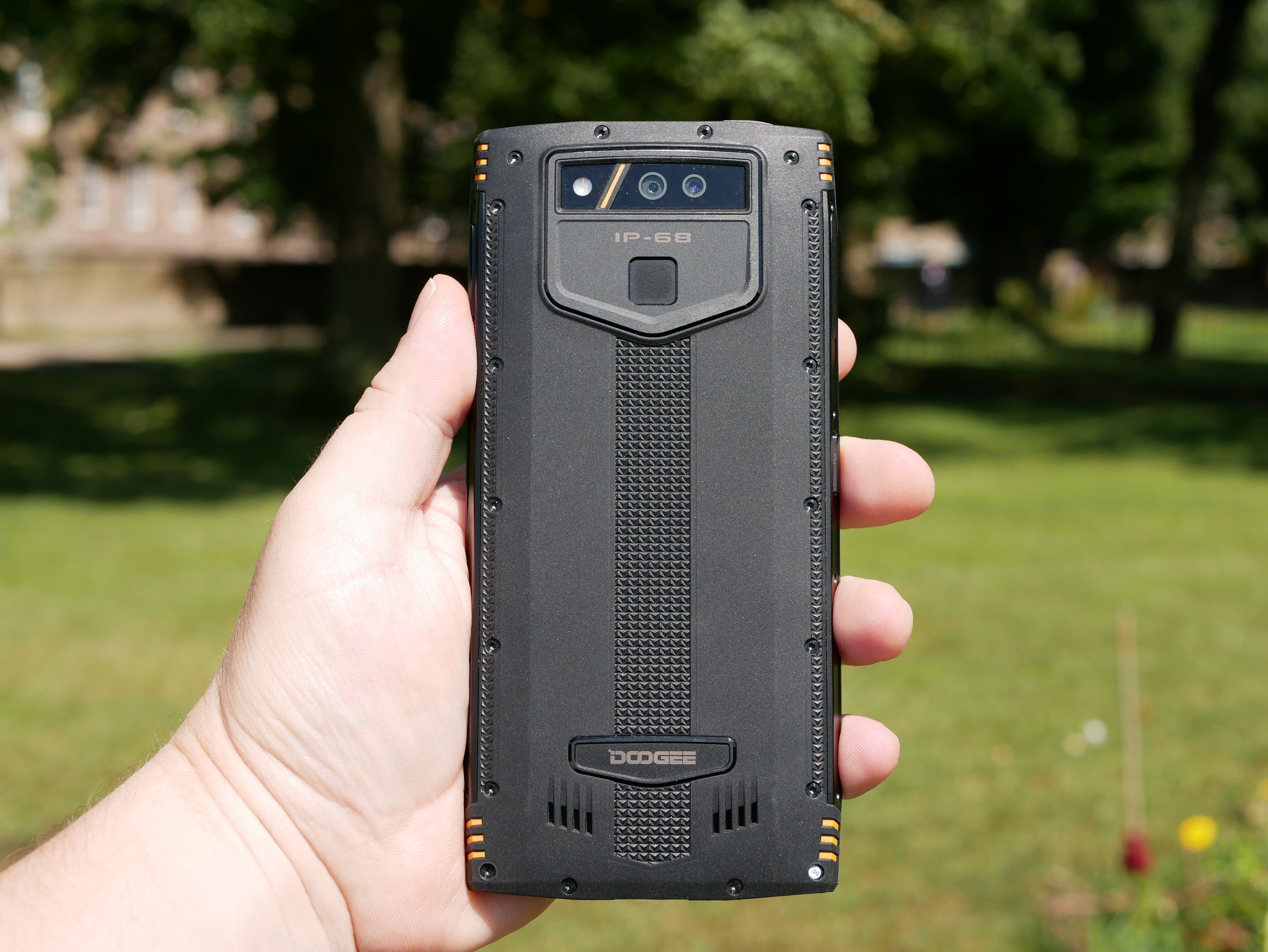
Doogee S50 Review - Endurance Brick
Our Chief Mobile Opinionist Matteo reviews the Doogee S50. This device can put up with the ruff life…
The Doogee S50 is a ruggedised and shockproof Android smartphone with IP68 rating coming to us from, you guessed it, China.
Shenzhen based Doogee are known for delivering value devices and sometimes doing something quite different with their industrial design as we see here: the Doogee S50 looks like a spaceship from the future and feels like it has the heft to be a mass driver projectile. That’s probably due to the ruggedised casing and its 5180 mAh battery. While chunky and not at all slippery, the Doogee S50 is pleasant to hold and use, and pretty much ideal for long Pokemon Go sessions.
When I say the Doogee S50 is ruggedised, it’s probably a bit of an understatement: this metal and TPU brick with a screen not only feels as if it can take a beating, it really can. While Lukasz and I were stranded at Stansted Airport (also known as St Ansted) we had the chance to put the device through a few drop tests and the Doogee S50 came through completely unscathed.
As the floor near St Ansted Gate 30 is filthy, we then went and gave the Doogee S50 a rinse under the tap and a blow dry. When we eventually boarded the plane I had no problems listening to my favourite podcasts on the flight home (in flight mode obviously).
The 5.7” IPS display is clear, has good colour reproduction and is perfectly adequate for an HD+ panel (HD+ 1440x720). As a Chief Pixel Density Enthusiast, this device gets my approval with its 282 pixels per inch (ppi) pixel density.


The Doogee S50 is powered by a Mediatek Helio P23 chipset (built on a 16nm process), 6GB RAM and 128GB storage. Android 7.1 runs the show and while not the latest version of Android performs very smoothly as there seem to be very few customisations from AOSP. The default launcher is simple and functional, and there is nothing to stop you installing Action Launcher or your launcher of choice.
Dual SIM or single SIM with MicroSD storage are enabled options thanks to the internal gubbins and the well protected card tray.
When it comes to cameras, Doogee didn’t hold back on the S50: there are 4 sensors on the device. On the back you will find 16MP and 13MP sensors with f/2.0 aperture. These work in tandem for portrait/blur mode and perform pretty decently. There is also a single LED flash in case you need it.


On the front there is a 16MP sensor and an 8MP one. In this case one is for standard selfies (beutified by default obviously) while the other is for group selfies as it sits behind a wide angle lense. Nothing says “I’m a rugged outdoorsy type” as much as taking a selfie
The fingerprint scanner on the back is fast and works well. I like the ergonomic positioning and have had no problems using it. In case you are wearing gloves while using the Doogee S50 you can also use face unlock. The face unlock isn’t as fast as the Honor 10 or the Huawei P20 Pro, but is still perfectly usable and very convenient.
Not having NFC may be an issue for those wanting to use the device for payments or public transit.
The 5180 mAh battery can also be used to charge other devices. You’ll need a micro USB to USB A female adaptor to do that, and remember to make sure it is a slimline one as the casing may impede you from plugging in.
The courage port, also known as the 3.5mm audio jack has a similar issue: because of the depth of the casing and the width of the aperture you will only be able to use audio devices or accessories with slim 3.5mm audio connectors. wider ones will simply not slot in.
A combination of the Mediatek Helio P23 chipset, the HD+ (1440x720) rather than FHD+ (2160x1080) screen, and 5180 mAh make the Doogee S50 an endurance champion. I’ve noticed that recently it has become my device of choice for Pokémon Go walks, because of the amazing battery performance.
To sum things up the Doogee S50 is a great device for travellers who may be exposed to the elements a little more than others. Not only that, it can take a bit of a beating as we have seen. The good overall performance, the excellent battery life and clear screen are a clear plus for the Doogee S50. The only downsides I can see are the lack of NFC, which for some people may be a deal breaker, and very slow battery charging that I have noticed. For less than £200 or $250 you get a lot of smartphone. The ruggedness may avoid you some headaches if you tend to smash phones.
From tech travel geeks this is a recommended buy, in particular if you are going to be using your smartphone outdoors or play Pokemon Go a lot.
You can purchase the Doogee s50 at the following AliExpress Store: http://s.click.aliexpress.com/e/bBQSEFiC

Honor 10 Review - Flagship Of Shininess
Our Chief Mobile Opinionist Matteo reviews the shiny Honor 10.
The Honor 10 is Honor’s shiny flagship for 2018, following in the path Huawei’s sub brand set with the Honor 8 and Honor 9. The Honor 10 also benefits from some of the features and components you see in Huawei’s 2018 flagship P20, such as the chipset, while retaining a courage port (also known as the 3.5mm audio jack).
The Honor 10 shininess causing lense flare...
Specifications
Right, before we go any further let us go through the specification sheet:
Body: Aluminium frame with glass back (also known as a glass sandwich)
Screen: 5.84" 2280x1080px (19:9) IPS LCD, 432ppi with a notch
Chipset: HiSilicon Kirin 970, Octa-core (4x2.4 GHz Cortex-A73 & 4x1.8 GHz Cortex-A53), Mali-G72 MP12 GPU
Memory: 4GB RAM and 128GB of storage (no microSD expansion slot)
Camera: Dual: 16MP colour (f/1.8) + 24 MP black and white, phase detection autofocus, 2160p @ 30fps video with “AI Camera”
Front facing camera: 24MP (f/2.0), 1080p video
OS: Android 8.1 Oreo with Huawei EMUI 8.1 + AI features
Battery: 3,400 mAh non-removable with Huawei Super Charger (5V@4.5A)
Connectivity: Dual Nano-SIM; USB-C (USB 2.0), NFC, Bluetooth 4.2, GPS, GLONASS
Misc: IR Blaster, single bottom-firing loudspeaker, front-mounted ultrasonic fingerprint sensor with gesture navigation


Design
The Honor 10 is a smaller device than most of the other current flagships which sit at or just above the 6” diagonal (with an 18:9 or 19:9 aspect ratio). At 5.84”, with a 19:9 aspect ratio screen the Honor 10 is definitely a more manageable size and fits in some pockets much better.
The Honor 10 screen has a notch, and that isn’t necessarily a bad thing: the notch can be masked thanks to EMUI’s software feature to be minimally intrusive and surrounded by black while still useful displaying notifications. Notches are a bit of a marmite design feature at the moment (you either love them or hate them), and the EMUI notch handling is graceful. I like to think of it as putting a little bit of marmite on your toast and then covering your toast with a whole jar of Nutella: you may get a little bit of aftertaste, probably because you know it is there, but the glaring issue is hidden away.

The Honor 10 "glass sandwich" with typewriter and banana for scale...
The glass sandwich design with an aluminium frame is sleek and quite slippery. The back of the Honor 10 is made of 15 layers of glass with something called “nano-scale optical coating”. That means that the colours can shift and fade from blue or green to purple depending on how light hits the back. The review device we have at Tech Travel Geeks is a Phantom Blue model and the effect is breathtaking. I often find myself taking the device out of a case just to look at the shiny “Aurora Glass”. Speaking of cases, the Honor 10 comes with a plastic Honor case in the retail packaging. Those of you with excellent taste will be happy to know that quite a selection of cases in different materials are available on Amazon and AliExpress. Yes, of course mockodile is an option. And if you thought the Samsung Galaxy Note 3 depleted the world’s supplies of fake stitching, pleather phone case makers in China would like to correct your assumptions. Plenty of pleather cases with fake stitching are available as well.
Display
The screen is sharp, clear and bright. Even in the unusually sunny and bright summer we are having in Scotland it is perfectly usable in direct sunlight. The pre-applied screen protector which the device comes with is good, though does not cover the whole screen. I’ve been using the device as a primary one for over a month and haven’t had any problems with it.


EMUI offers quite a range of display customisation options, including screen resolution scaling, which reduces the resolution to HD+ (1520x720) to save battery. There is also a smart resolution mode which will automatically lower screen resolution to help save battery life.
I’ve found myself comfortable with EMUI’s “Smart Rotate” as well: the screen will only autorotate to follow my face orientation. This is really handy while lying on my side and using the device.
Chipset & Performance

The Honor 10 is powered by HiSilicon's latest 10nm chipset, the Kirin 970. As in the Honor View 10, the Huawei P20 series and the Huawei Mate 10, the Kirin 970 paired with 4GB of RAM delivers a snappy and reliable user experience while being relatively power efficient. Compared to my Qualcomm Snapdragon 835 and 845 devices, in day to day use I have encountered no noticeable slowdowns or performance differences.

The Kirin 970 chipset also includes a dedicated NPU, which allows for machine learning or “AI” to be performed locally on the device. The benefit of that is in managing resources, but more noticeably and shouted out about more by Honor this enables the camera “AI” to be a stand out feature on the Honor 10.
Cameras

The Honor 10 Cameras are an interesting setup. On the back you have a dual 16MP colour sensor and a 24MP black and white sensor both behind f/1.8 lenses. Autofocus is handled with Phase Detection Autofocus (no lasers here). There is also no optical image stabilisation, and the flash is a single LED bulb, not a dual-LED setup as is quite common nowadays.
When using the dual camera setup the 16MP sensor takes the main shot and then the information from the black and white 20MP sensor is overlayed to deliver detail. The outcome is clear and sharp pictures with plenty of dynamic range. The usual modes we expect from Honor and Huawei, including photo (with AI), portrait, Aperture, video and AR lense as well as Pro (manual mode), slow motion, night shot, panorama, monochrome, light painting, HDR, time-lapse, filter, 3d panorama, document scan, artist mode, 3d creator and good food.


The standard photo mode has a colourful “AI” toggle which will, using EMUI software and the dedicate NPU of the Kirin 970 chipset, detect subjects and/or scenery and lighting to tune settings accordingly. With the Honor 10 a new “Panda Mode” was introduced. This “AI” works quite well, and often gets things spot on. My two cats, Vala and Rodney, are mostly recognised as cats and “Cat Mode” kicks in, but sometimes the Honor 10 AI recognises them as dogs. In the specific case of Rodney, a white and black rescue moggy, “Panda Mode” sometimes kicks in to my amusement.

The camera “AI” on the Honor 10 AI camera (which you are reminded of with “AI camera” logo on the shiny back) is pretty good, and I have ended up as leaving it on by default. The results are usually impressive and very instagrammable. You are likely to see some of my shots on instagram with the hashtag #ShotOnHonor10.

As the Honor 10 cameras don’t have optical image stabilisation, low light shots suffer a bit, but if you invest in an inexpensive and cheerful tripod or gorillapod nightshot mode can produce some stunning snaps.

The 24MP selfie camera performs well. I’m no selfie expert, but beauty mode makes me look prettier than I really am, and some of the overlays or Augmented Reality (AR) features are fun to mess around with.
Battery
The 3400 mAh battery on the Honor 10, paired with the Kirin 970 chipset and EMUI’s software optimisations delivers a day’s use quite comfortably for me. This usually involves streaming music over bluetooth, some light goat related gaming, social media, messaging and plenty of photography.
Fingerprint Sensor and Face Unlock
The fingerprint sensor on the Honor 10 is placed at the front of the device in the bottom bezel. There is no clear delineation or tactile reminder that the fingerprint sensor is there, and it isn’t the fastest fingerprint sensor on the market, but works well and seems pretty reliable to me. The added value this brings is that it is an ultrasonic fingerprint sensor: that means that you can use it even when your hands are damp or wet. Sadly the Honor 10 has no IP rating so it isn’t too suited to being used in the bath, the pool or a Scottish winter.
You also have Face Unlock for unlocking your device just by pointing the device selfie camera at your face. This works for me using a baseball cap, but not with glasses on. I’m quite used to using it now and would say I use Face Unlock more often than I use the fingerprint reader nowadays.
Conclusion
The Honor 10 is an excellent device which delivers very good value for money at the £399 price point. While other brands have upped pricing to keep up with being closer to big brand flagships, Honor have managed to deliver a great smartphone while making some key trade offs which have not affected the overall flagship smartphone experience much. If you are looking for a solid camera, good battery life, snappy smartphone with drop dead gorgeous looks the Honor 10 is recommended by Tech Travel Geeks. Having a dual-SIM card slot is also one of the biggest decision tippers for travellers too.

This Week in Mobile - Meizu 15 in China
This Week In Mobile is a bit late this week because Matteo has been in China at the Meizu 15 launch event. Lukasz has managed to show us what is in his bag too…
Welcome to This Week in Mobile (TWiM), Tech Travel Geeks' weekly column covering what has happened in the world of mobile. If we haven't covered it on Tech Travel Geeks we'll link to the best content on the web.
A rainy Wuzhen, Zhejiang, China. Shot on Meizu 15 #ShotOnMeizu15 #Meizu15
This Week in Mobile is a bit late this week (again) because I was travelling in China while Lukasz is still on his epic journey around the world with a very densely packed bag.
Motorola G Series Launch in Brazil
Motorola, also known as Lenovorola, have refreshed their popular G Series of Android powered devices, announcing the Moto G 6 Play, the Moto G6 and Moto G6 Plus. I haven't had enough time to look at these devices in depth or follow the launch closely, but luckily our friends at Android Central have and did a great breakdown of the announcement and launch over on their site. Below you can find Daniel Bader's excellent explanation on video too.
Meizu 15 Announcement in Wuzhen, China
The Meizu 15 Launch stage, as shot on a Meizu 15...
As Chief Pixel Density Enthusiast at Coolsmartphone, I was a guest of Chinese technology company Meizu for their Meizu 15 launch event in Wuzhen, Zhejiang, China. You can catch all coverage of the event and the products on Coolsmartphone.com.


The Meizu 15 series, which is comprised of the Meizu 15, Meizu 15 Plus and Meizu M15 is a delightful range of devices. Hardware is well built, has excellent specifications and good ergonomics. Meizu's new version of their Android-based operating system, Flyme 7, has been refined and improved. Overall the Meizu 15 is a pleasure to use and I'm enjoying using it as one of my main devices.


China is on the path to being the first cashless society from what I can see, and AliPay and WeChat are the most used forms of payment. The occasional outlet also accepts UnionPay, but Mastercard and Visa as accepted forms of payment are a rarity in my most recent experience. We had to try hard, but finally found a place for dinner which accepted MasterCard (my Monzo card) in Shanghai. We set to order a quick meal before heading to the airport. Thanks to a misunderstanding using Google Translate we even managed to over-order dim sum, but it was definitely worth it.
We also managed to catch a Maglev train from Shanghai to the airport. I would definitely recommend doing it if you happen to be heading from Shanghai to Pu Dong Airport (PVG).
What's in Lukasz's bag?
Lukasz has finally published his "What's In My Bag" for his round the world trip he is currently on. As expected there is plenty of tech. He is a Tech Travel Geek after all... We look forward to getting more updates from him #soon.
That's all for... last week. I'll try and get back into the weekly TWiM rhythm from Sunday onwards. Safe travels everyone!

This Week in Mobile - Quiet Preparations
The Tech Travel Geeks Chief Mobile Opinionist Matteo covers the week's main mobile news subjects for us.
Welcome to This Week in Mobile, Tech Travel Geeks' weekly column covering what has happened in the world of mobile. If we haven't covered it on Tech Travel Geeks we'll link to the best content on the web.
It has been a relatively quiet week for mobile related news and most of us are still getting over last week where we had some pretty major announcements.
My retail unit of the Huawei P20 Pro arrived and I unboxed it on the Tech Travel Geeks YouTube Channel.
First impressions of the Huawei P20 Pro are good. The device feels great to hold and use, the notch isn't an issue for me and the camera still has to win me over. I'll go more in depth on that later this week, here on Tech Travel Geeks.
I'm packing my bags at the moment as I will be travelling to Dubai to speak at droidcon Dubai, the largest Android developer event in the GCC. My talk will be on the Saturday, and this time I am officially representing my employer, Skyscanner. Expect some great content being published on Tech Travel Geeks in the coming weeks as Lukasz will be in Dubai too and we will be shooting video there.
Lukasz published his video of the Samsung Galaxy S8+ vs the Samsung Galaxy S9+. As usual the production values of his content are amazeballs. I really need to up my game on video to at least try and keep our content consistent.

My Pixel 2 XL received its April Security patch. It continues to be one of my main mobile devices and is coming to Dubai with me.
Until next week, that is all from This Week in Mobile. Let us know if you would like to cover anything specific in the coming weeks.

This Week in Mobile - Xiaomi and Huawei Mix it up!
Welcome to This Week in Mobile, Tech Travel Geeks' weekly column covering what has happened in the world of mobile. If we haven't covered it on Tech Travel Geeks we'll link to the best content on the web.
I'll just put this out there before I type any more: though this post is being published on April 1st 2018 there are no April fools in here. None. Don't bother looking for any. It is pointless to search for an Easter Sunday Aprils fools in here.
This week two of the biggest handset manufacturers in the world released their new flagships. Xiaomi announced the Mi Mix 2S and Huawei announced the P20 range (P20 Pro, P20 and P20 Lite). Both these manufacturers happen to be Chinese and both are expanding globally.
I'm particularly interested on what comes from China in the mobile space and always actively use at least one device from Xiaomi and one from Huawei. Currently I'm using a Xiaomi Mi 6 and a Huawei Honor View 10 (as well as a Huawei Honor 7X).
Xiaomi Mi Mix 2S
The Xiaomi Mi Mix 2S
Xiaomi started the bezelless craze a while back with the original Xiaomi Mi Mix. My friend Iain has one and he very kindly let me play around with it. It is a lovely premium device.
This week Xiaomi announced the Mi Mix 2S, which is the latest version of their bezelless line. Powered by the latest and most powerful chipset from Qualcomm, with a dual camera on the back, a 18:9 aspect ratio display and ceramic and metal build the device sits comfortably in the premium category of smartphones.
Xiaomi Mi Mix 2S front and back
I expect this device to sell well in Asia and southern European markets where Xiaomi is already a popular brand. An important ingredient to the recipe of the future success of the device is pricing: the entry level model (with 6GB of RAM) starts at around $530 and the top end model (with 8GB RAM) will be around $650. Dan Seifert over from The Verge explains more in the video below.
Huawei P20 Range
Huawei's P series devices are their flagships, usually launched in the first half of the year. This week the Chinese manufacturer announced the P20 line.

Huawei P20 Series
At the top of the range the P20 Pro sits with a 6" AMOLED screen (with a notch), a large battery, AI capable chipset and software and a new triple camera on the back.
Huawei P20 Pro technical specifications at GSMArena.com.
The cameras, one 40MP, one 20MP and one 8MP, paired with Huawei's own chipset and software are the main highlight for me. This weekend I caught up with our friend Jonathan Morris from jmcomms.com and saw what the camera can do in person. I was really impressed by the results, and look forward to hopefully having a Huawei P20 Pro of my own next week.
Check out Jonathan's content on the Huawei P20 Pro over at jmcomms.com.
Alex Dobie over at Android Central did a great preview of the P20s and also released a great video about it. His description of the camera setup of the P20 Pro as "absolutely bonkers" is pretty much spot on.
The Huawei P20 and P20 Lite fill in the lower price categories all the way down to the mid-range while bringing the same design language and most of the same software features.
Huawei P20 technical specifications at GSMArena.com.
Huawei P20 Lite technical specifications at GSMArena.com.
The P20 Series from Huawei touches on the mid-range, with the P20 Lite, and all the way up to the high end with the P20 Pro. The P20 Pro puts itself in the same category as the Google Pixel 2 XL and Samsung Galaxy S9 Plus with price, but promises better cameras thanks to the partnership with Leica. I look forward to bringing you my impressions once I get my own P20 Pro.
Tesla Model 3
This weekend I found myself informed and amused by the Modern Dad (Phil Nickinson) and Mr Mobile (Michael Fisher) videos about the Tesla Model 3. Check them both out below.
Great videos which get me thinking: how quickly is the driving experience going to change in the next few years? Phil's perspective as a dad whose daughter is going to be learning to drive soon is interesting and his logic is sound.
I'm sure Lukasz has certain opinions and expectations of the Tesla Model 3, so I'll let him start thinking of writing a post about it soon...
Thanks for reading this far if you have. We will wrap up this week's edition of This Week in Mobile here. We'll be back next week, safe travels!

Samsung Galaxy S9+ unboxing video
Hi there, and welcome to the very first TechTravelGeeks video. We're starting on a high note, with the unboxing of the Samsung Galaxy S9+ phone. It's Sammy's flagship phone for the first half of 2018, so the expectations are high. So let's see what we have here!
This is the official UK version of the phone, pre-ordered from Samsung, so you can see the original packaging with some paperwork and of course, the new Samsung +6S, I mean S9+. This is the European version of the device, so it runs on the latest Exynos 9810 processor, but more on that later.
On the box, in addition to Matteo's reflection and the specs on the back, you can see a few brands or trademarks, namely DUOS (for dual sim), Secured by Knox (Samsung's security guarantee) and AKG (for the earphones and speakers).
Once we open the box, we actually don't see the phone itself, but the packaging for the sim eject tool, as well as some more paperwork. And finally, the phone. Let's get rid of some of the protective wrap - the front and back are easy enough, but the sides were very finicky and difficult to remove. But once we're through with it, we can get the nano SIM card in and boot up the device. All good!
To finish off, let's see what we get - a travel adaptor, a USB type C to USB female adaptor for data transfer from the old phone, the micro USB to type C adaptor, a USB cable, headphone rubbers and the AKG headphones - yes, there's actually a phone with the headphone jack in 2018!
The S9+ and S8+ boxes are really similar, with the S9+ being slightly taller - maybe to handle the extra camera and double the internal storage? And when you look at the phones, you'll actually find it really difficult to tell them apart when looking at them from the front - the only difference is that the top and bottom bezels are thinner by around 1.4mm total . Not that much, but it does make a bit of a difference, at least to me - I have to justify getting this phone, don't I? The sides are the same, but the really difference is with the backs - we get two cameras this time, and the fingerprint reader is finally at the bottom rather than at the side. So we can see that Samsung have actually been listening to the users and reviewers and fixed the most irritating feature of their last year's phones.
I've now been using the S9+ for two weeks and have been enjoying it a lot, especially thanks to the small improvements like stereo speakers, better and faster unlocking, amazing screen and, most importantly, the fantastic camera, but more on that in future videos. For now, thanks for watching, and again, welcome to TechTravelGeeks!