

Huawei P40 - All The Tech Travel Geeks Content
This is where you will find all the Tech Travel Geeks content we have created about the Huawei P40.
The Huawei P40 is available to purchase on Amazon here: https://amzn.to/2zSYGdZ
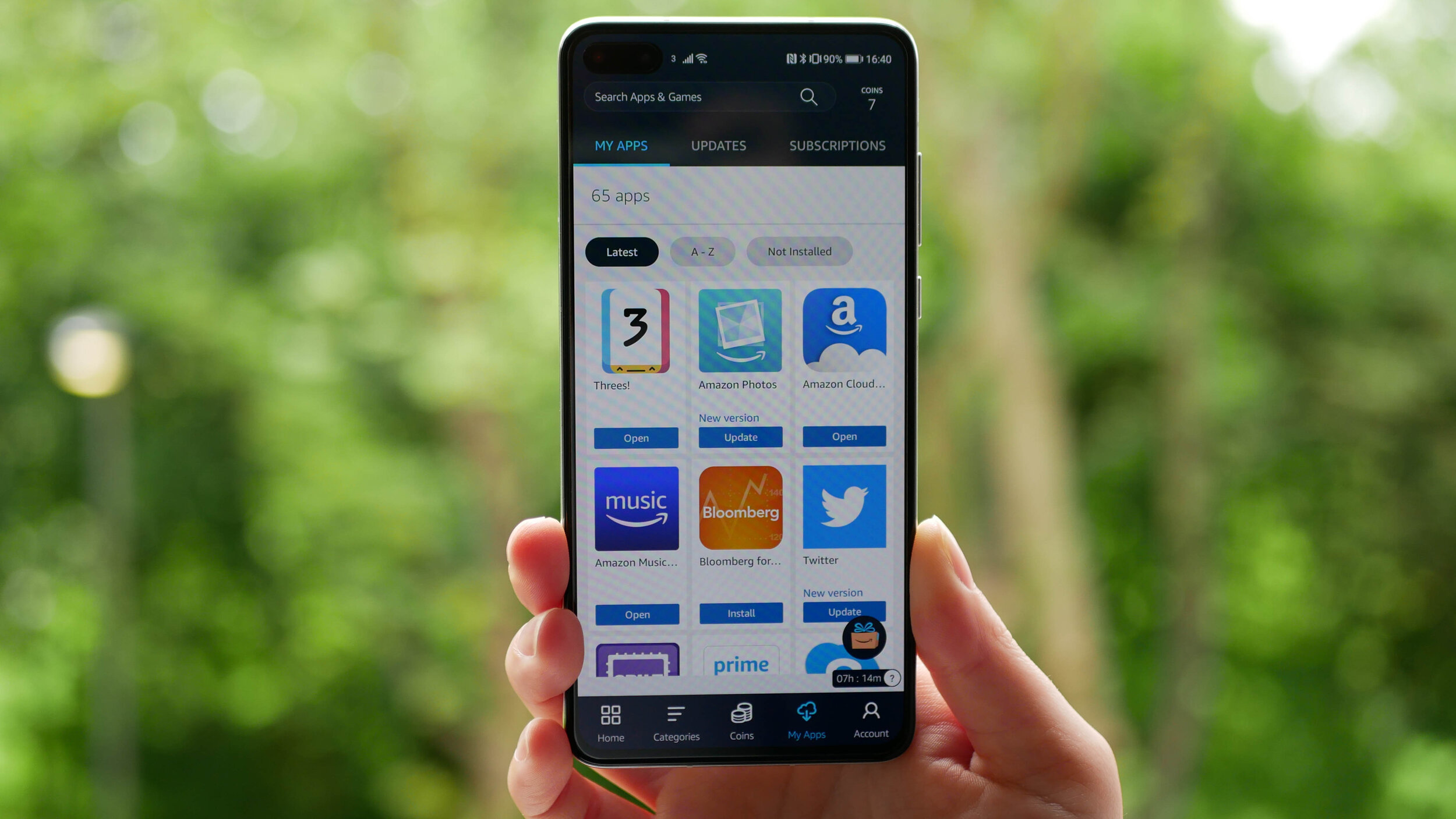
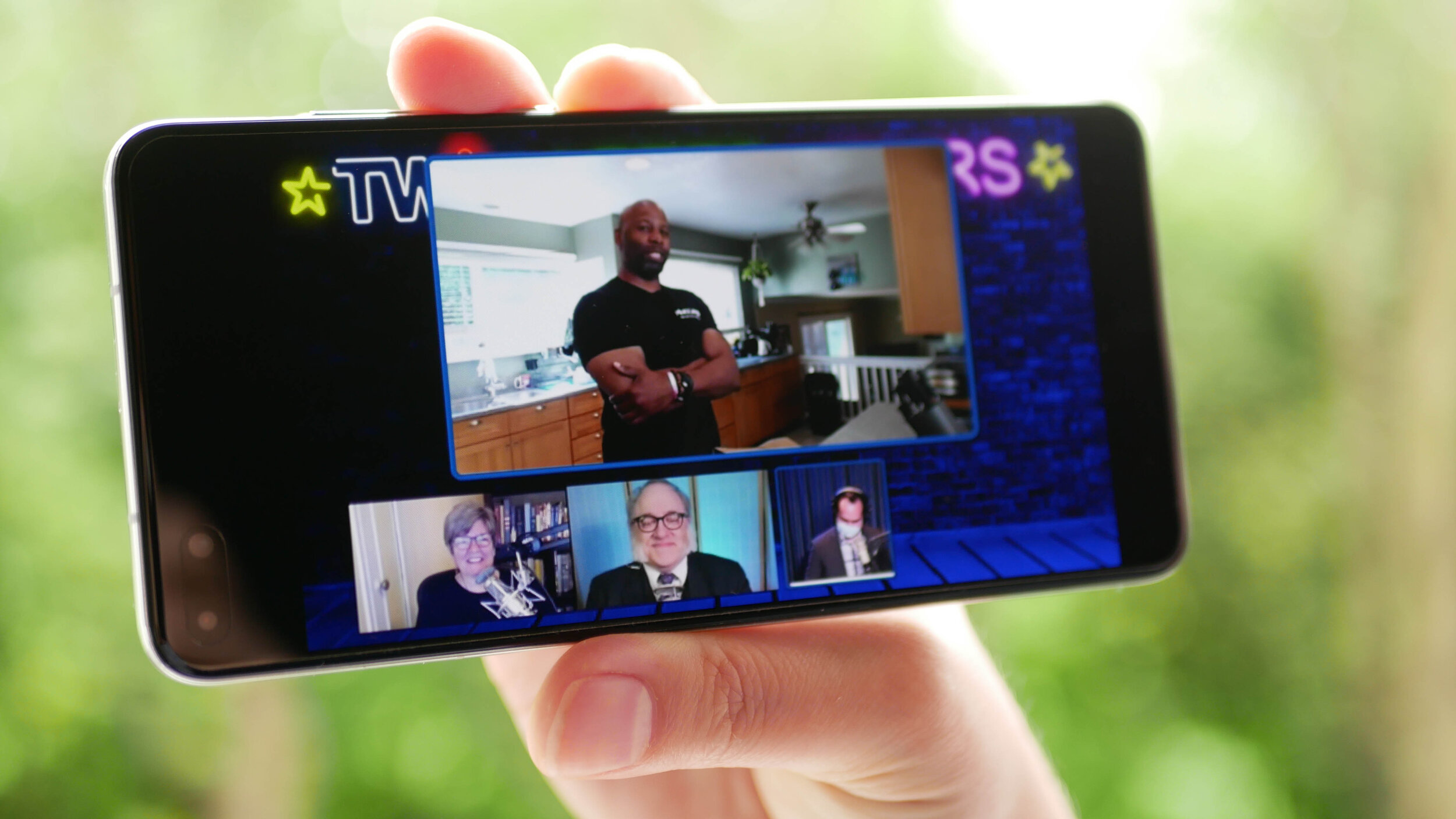
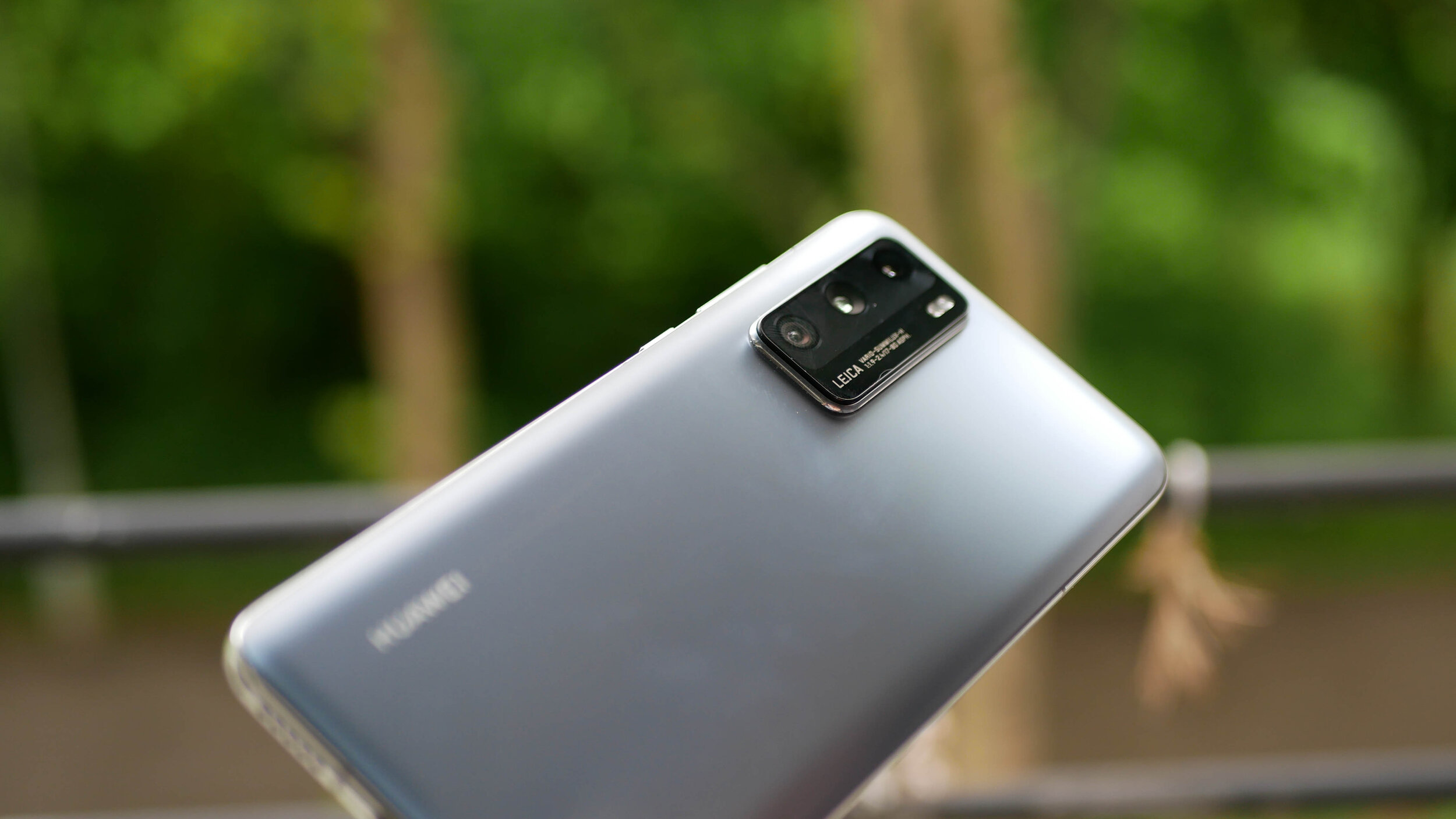
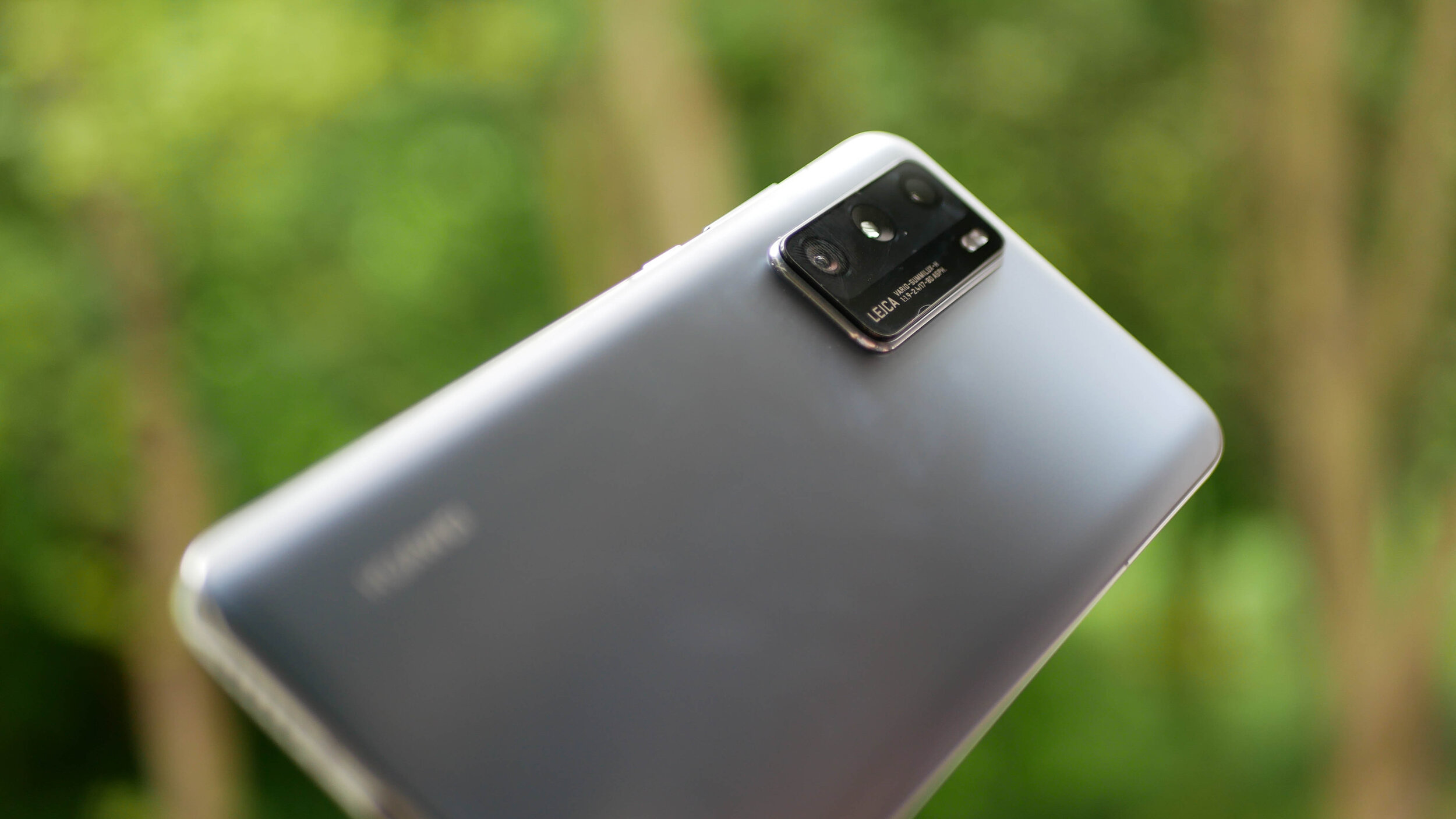
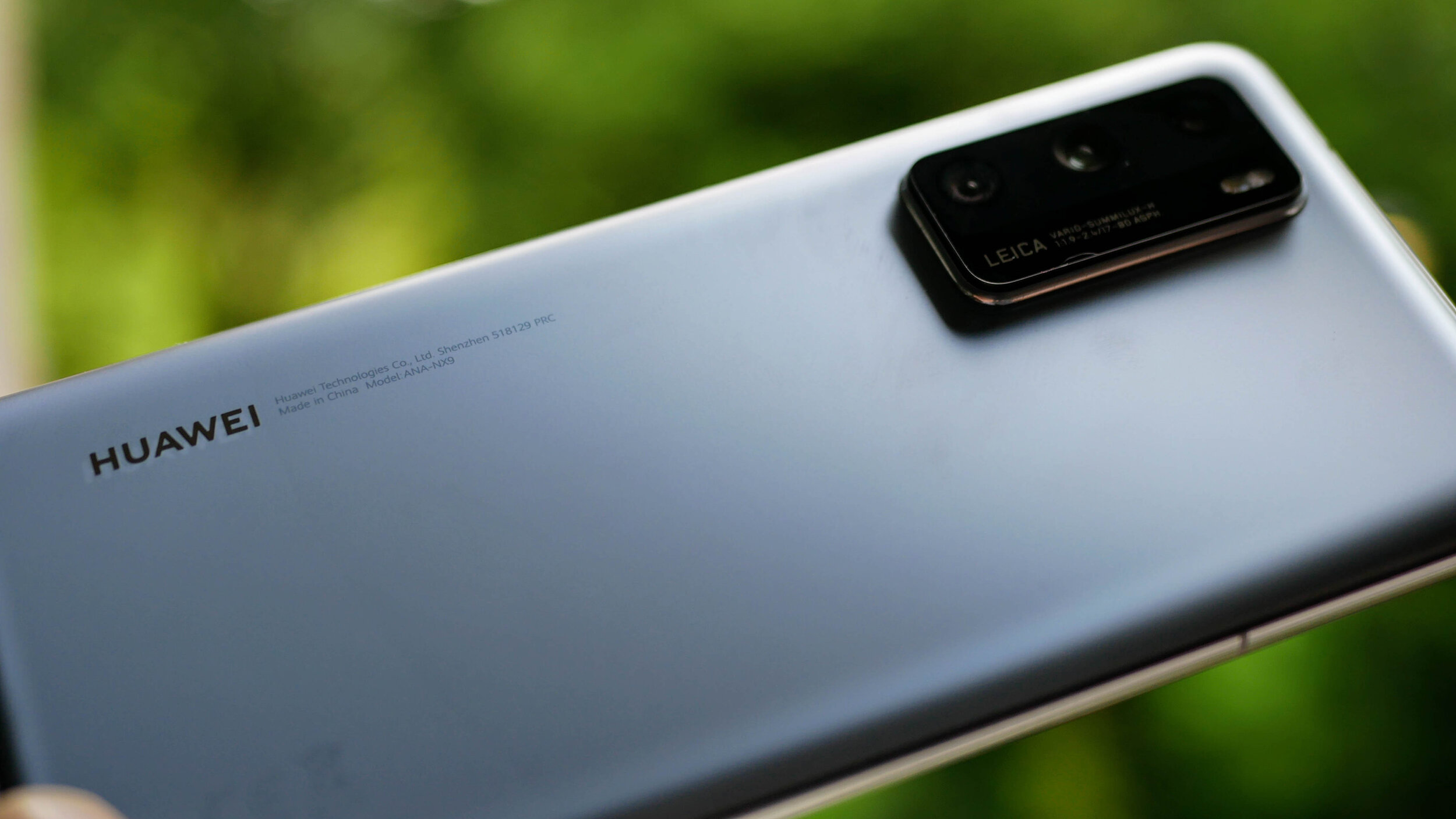
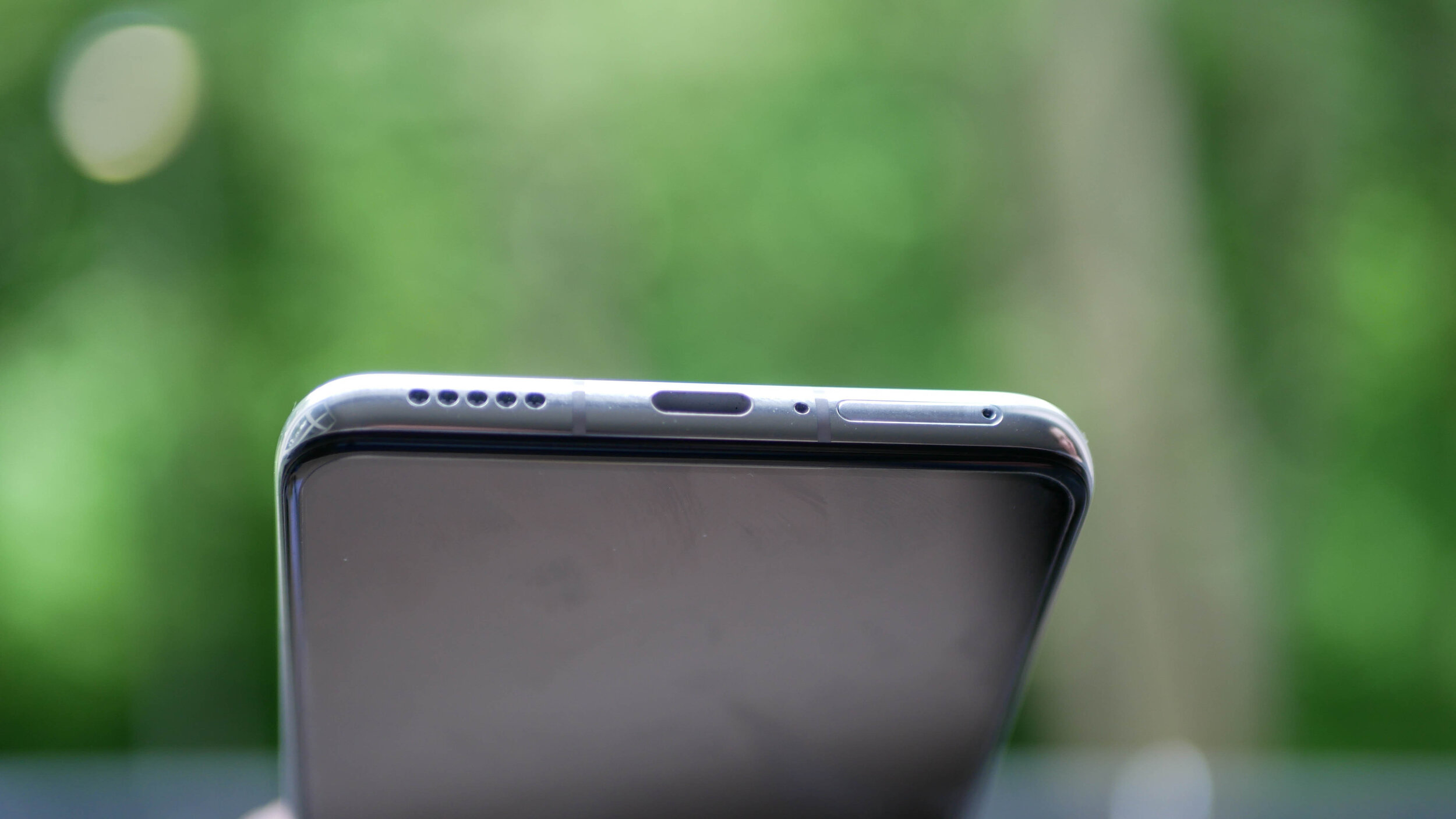
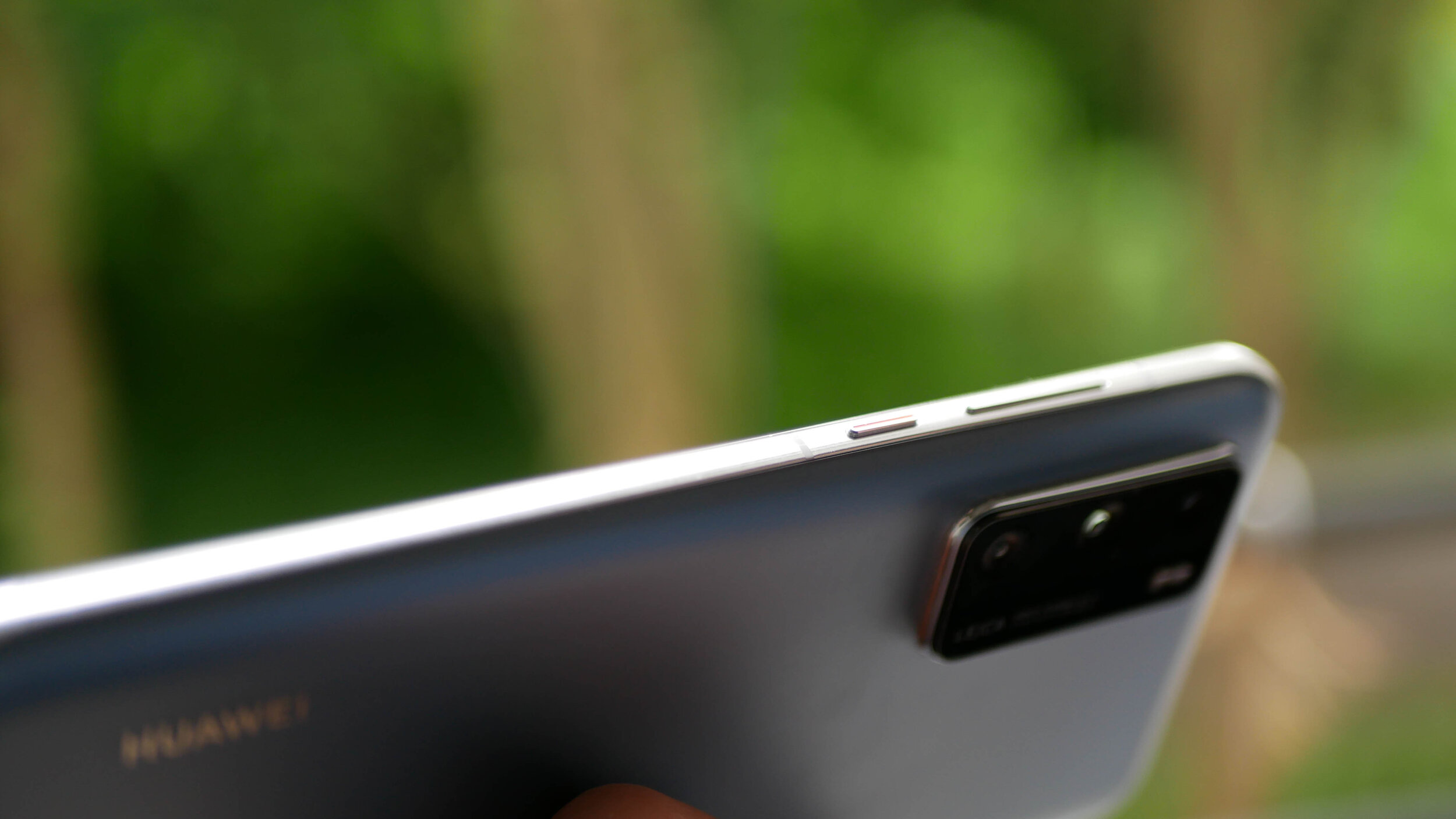
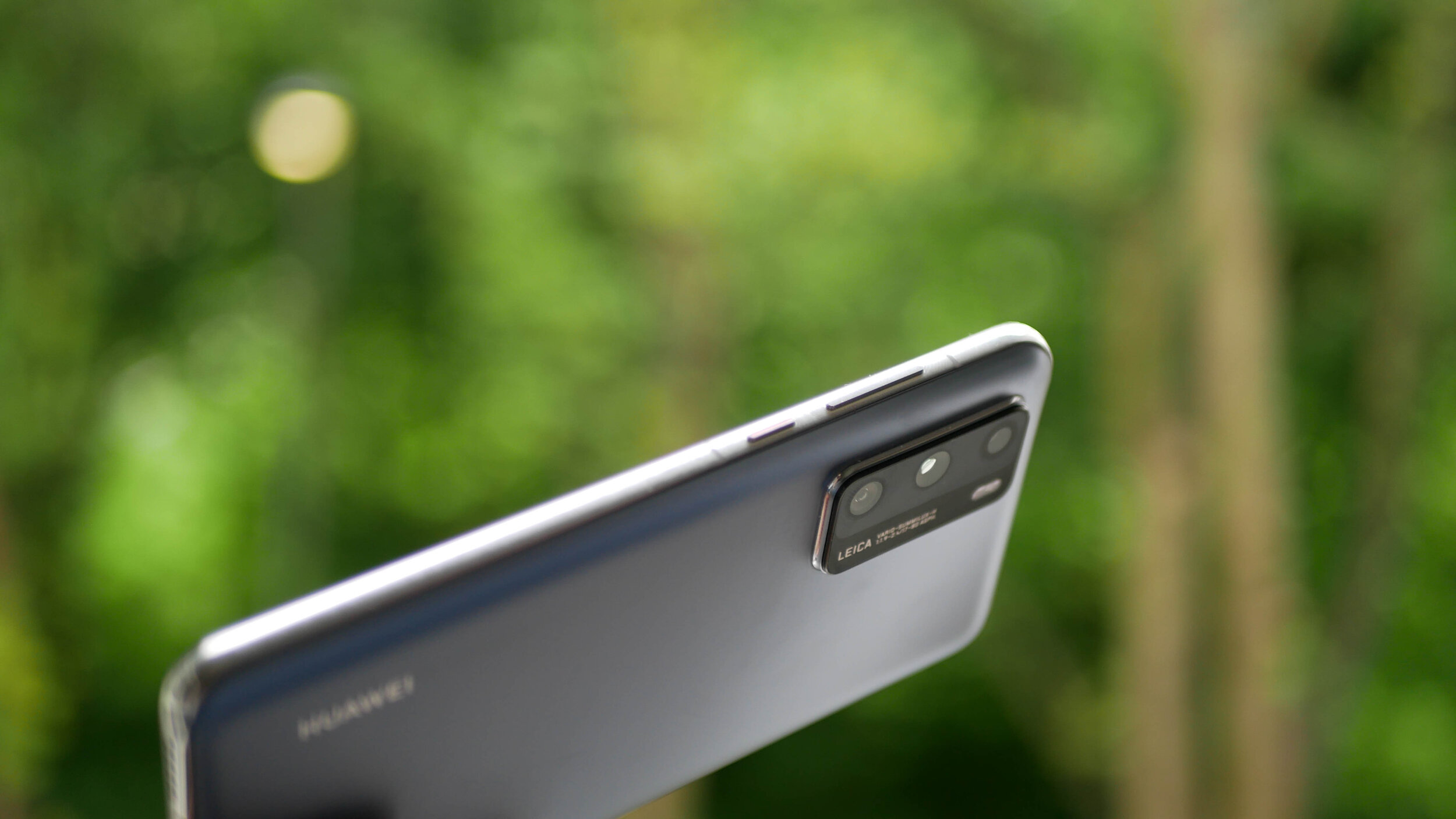
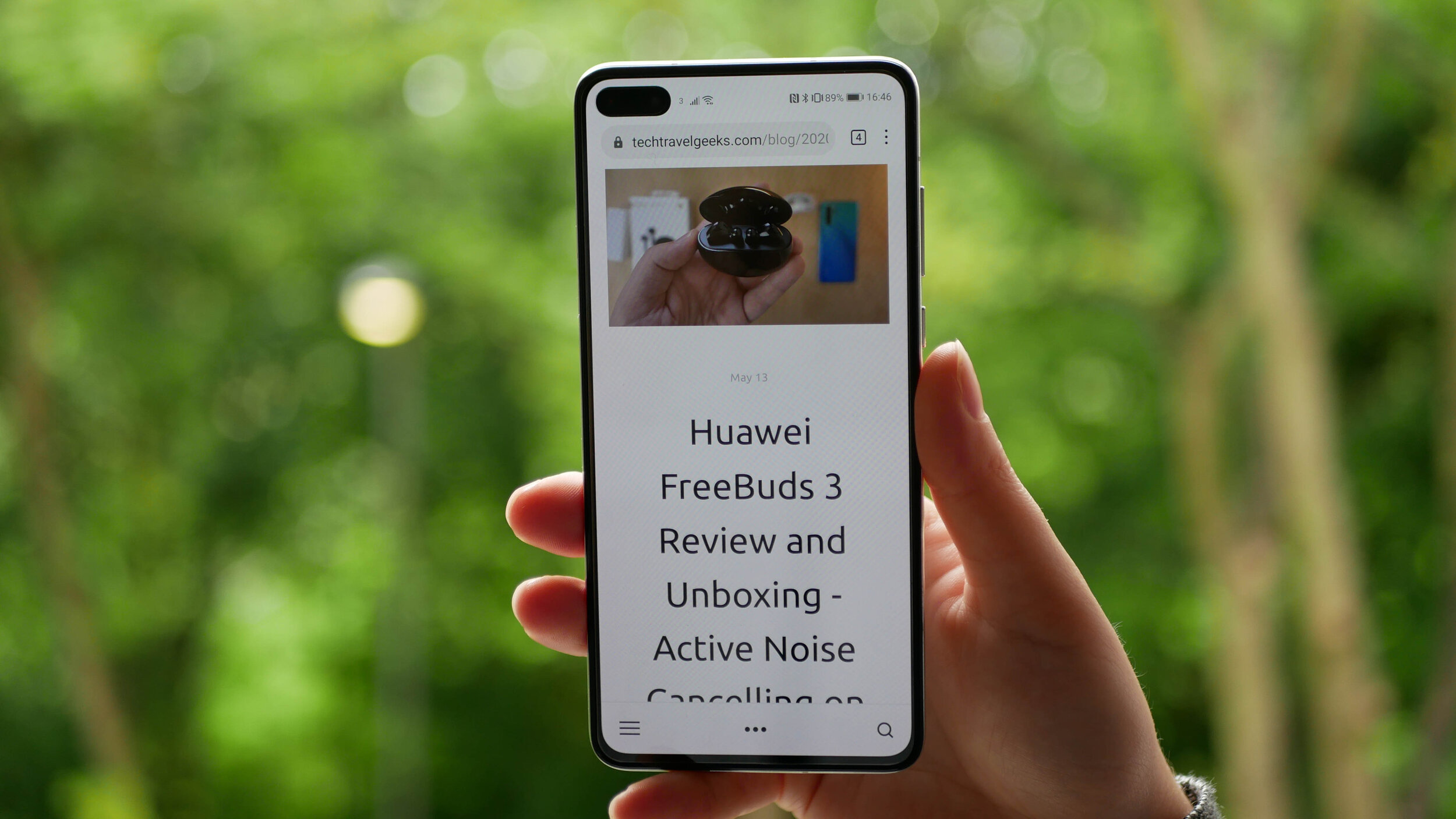
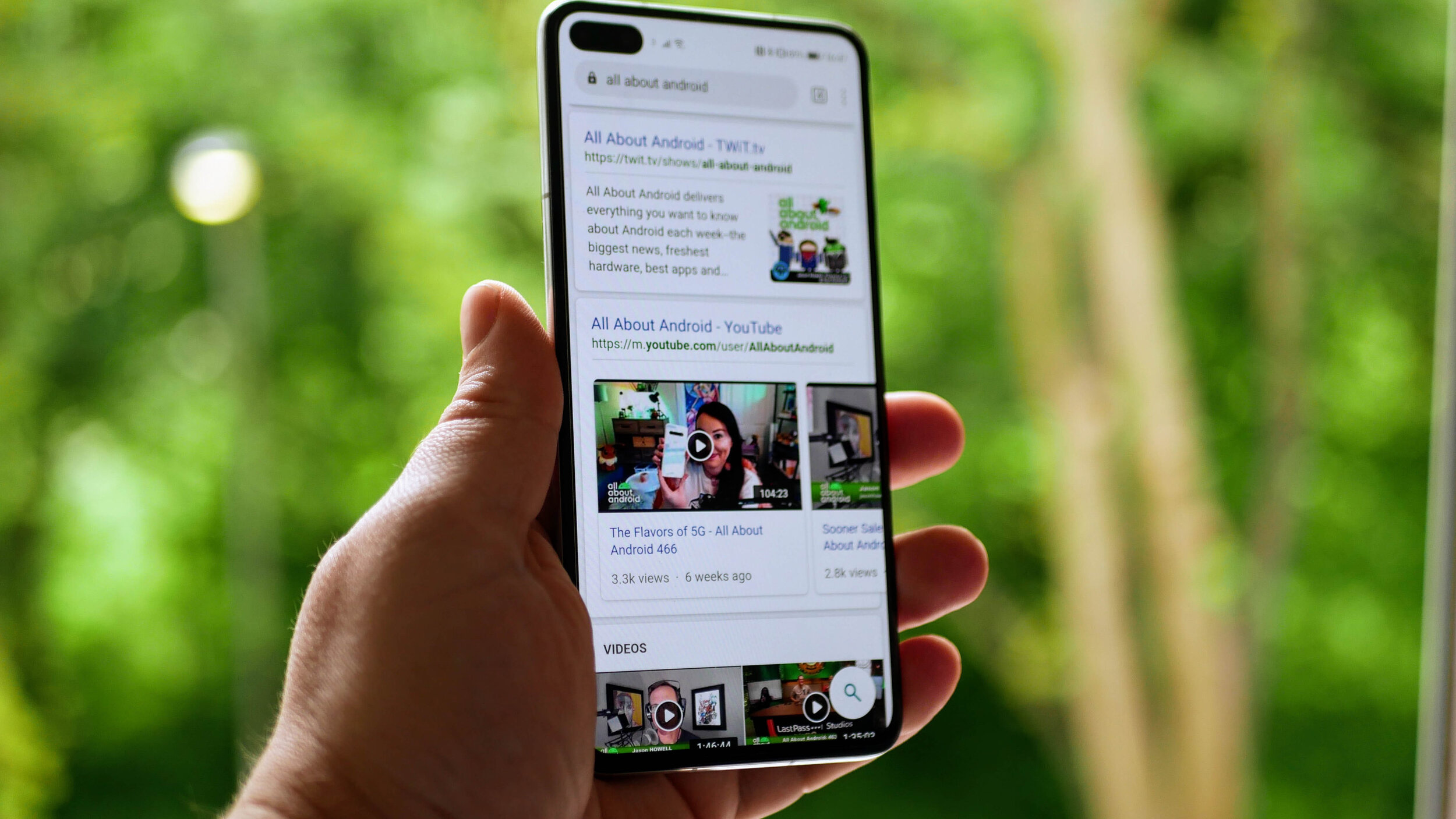
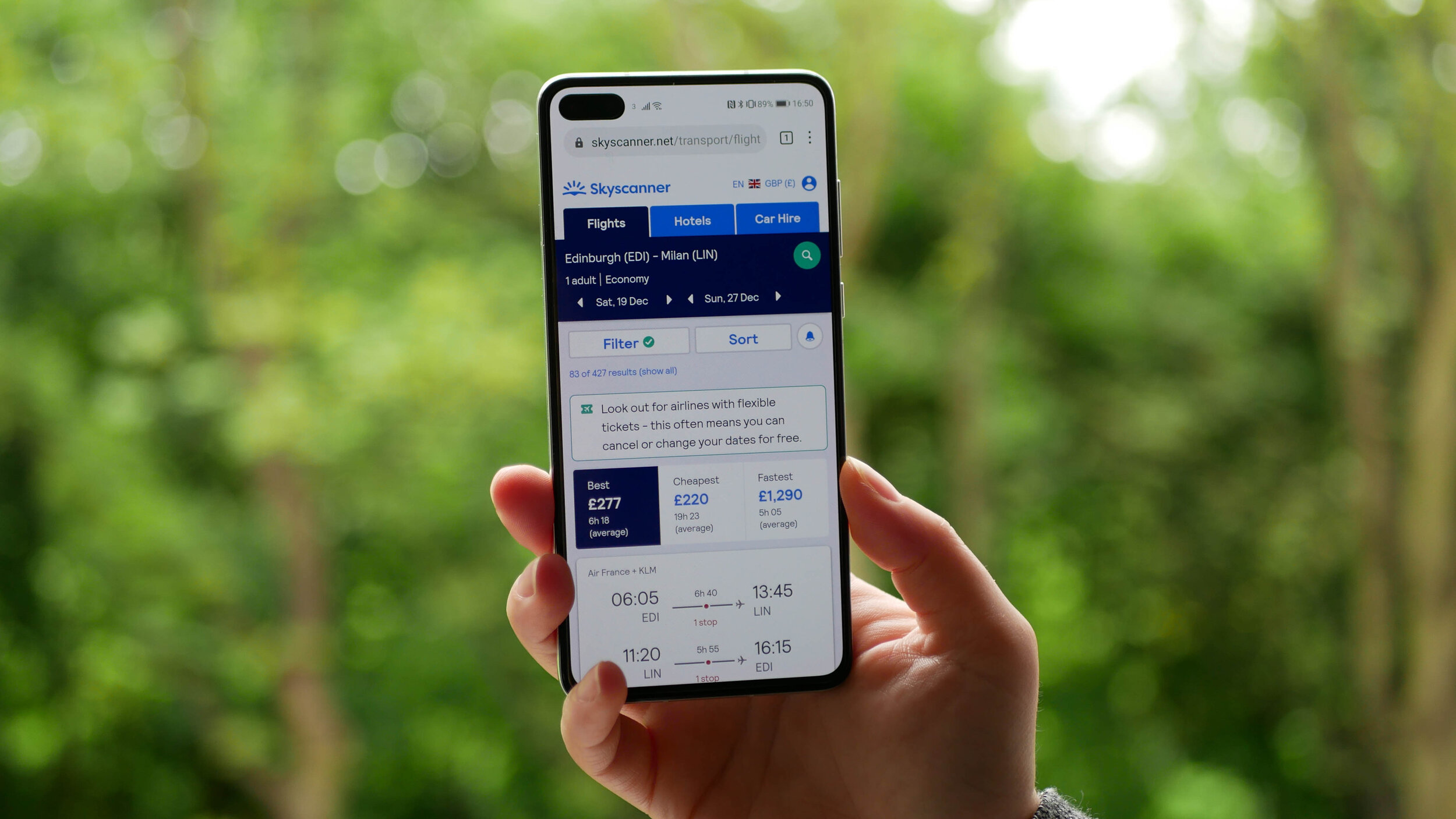
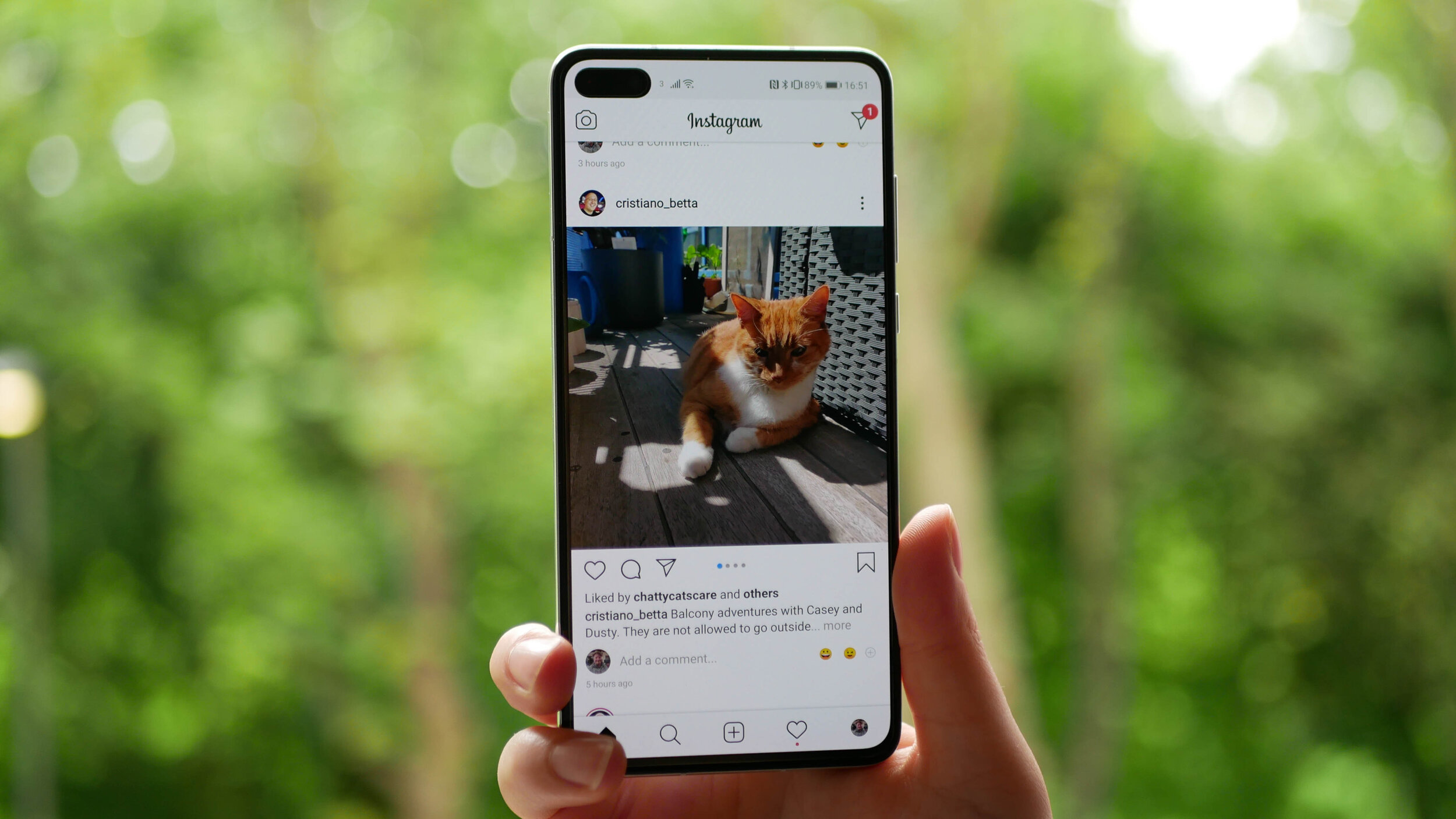
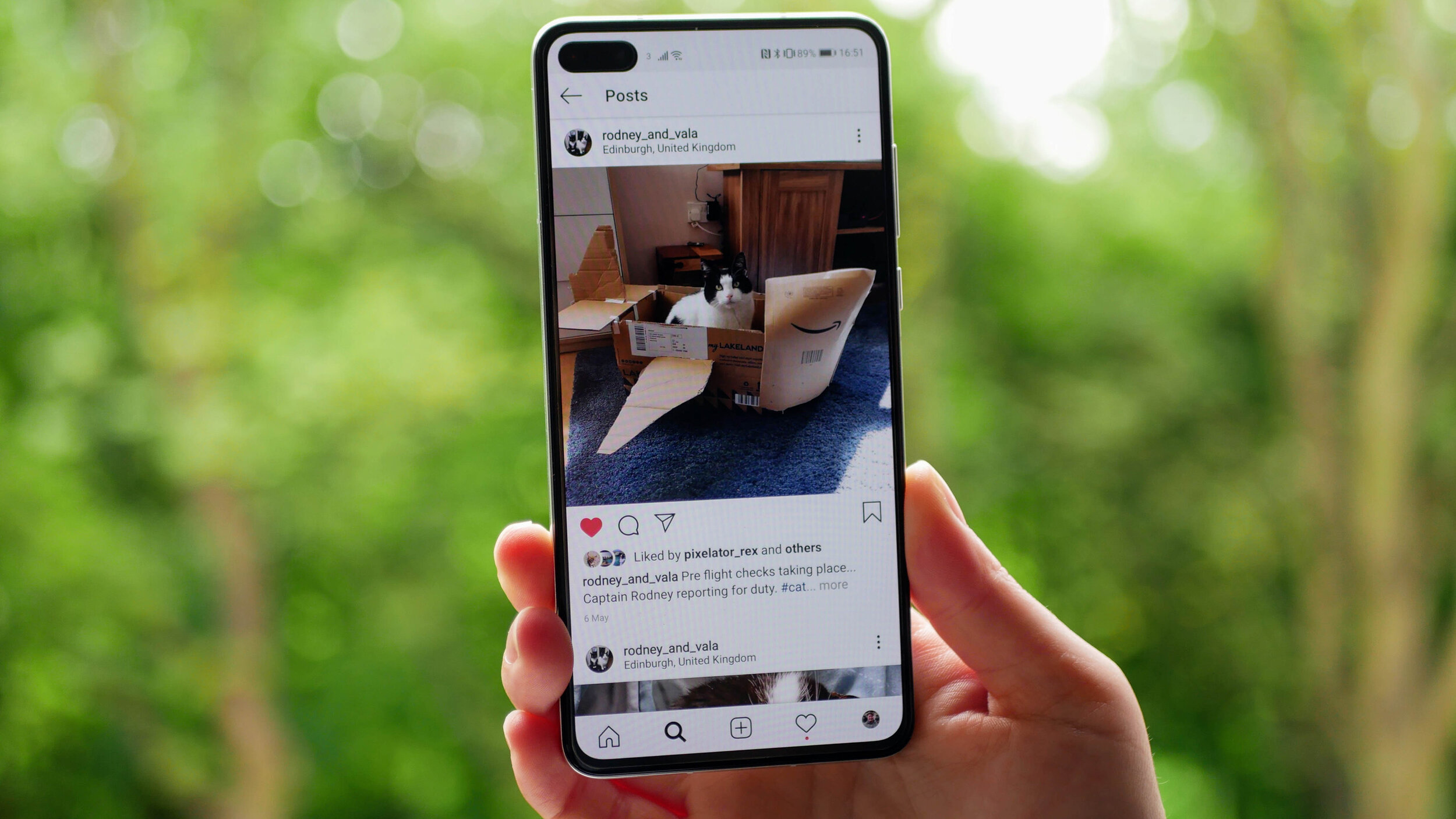
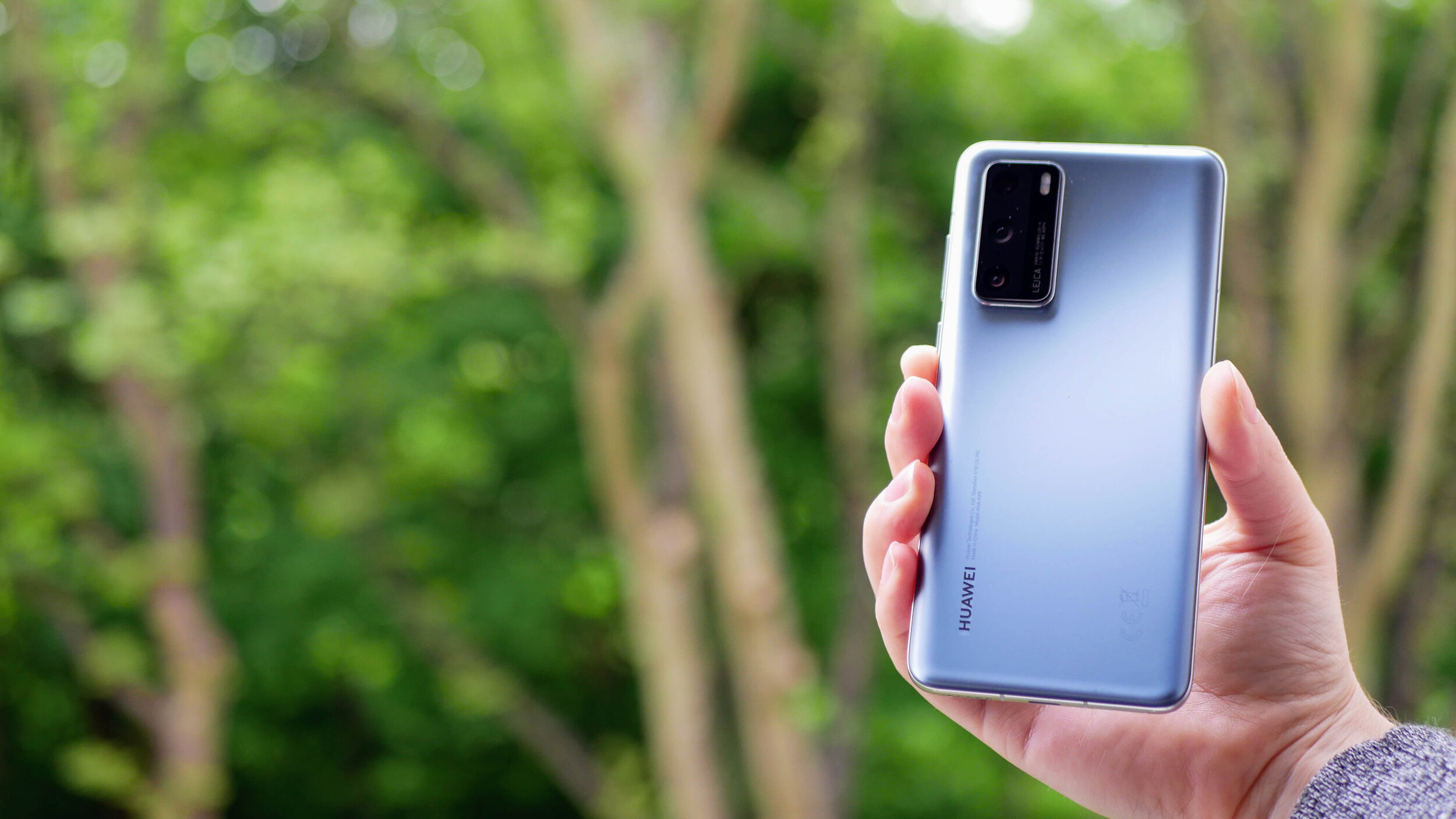
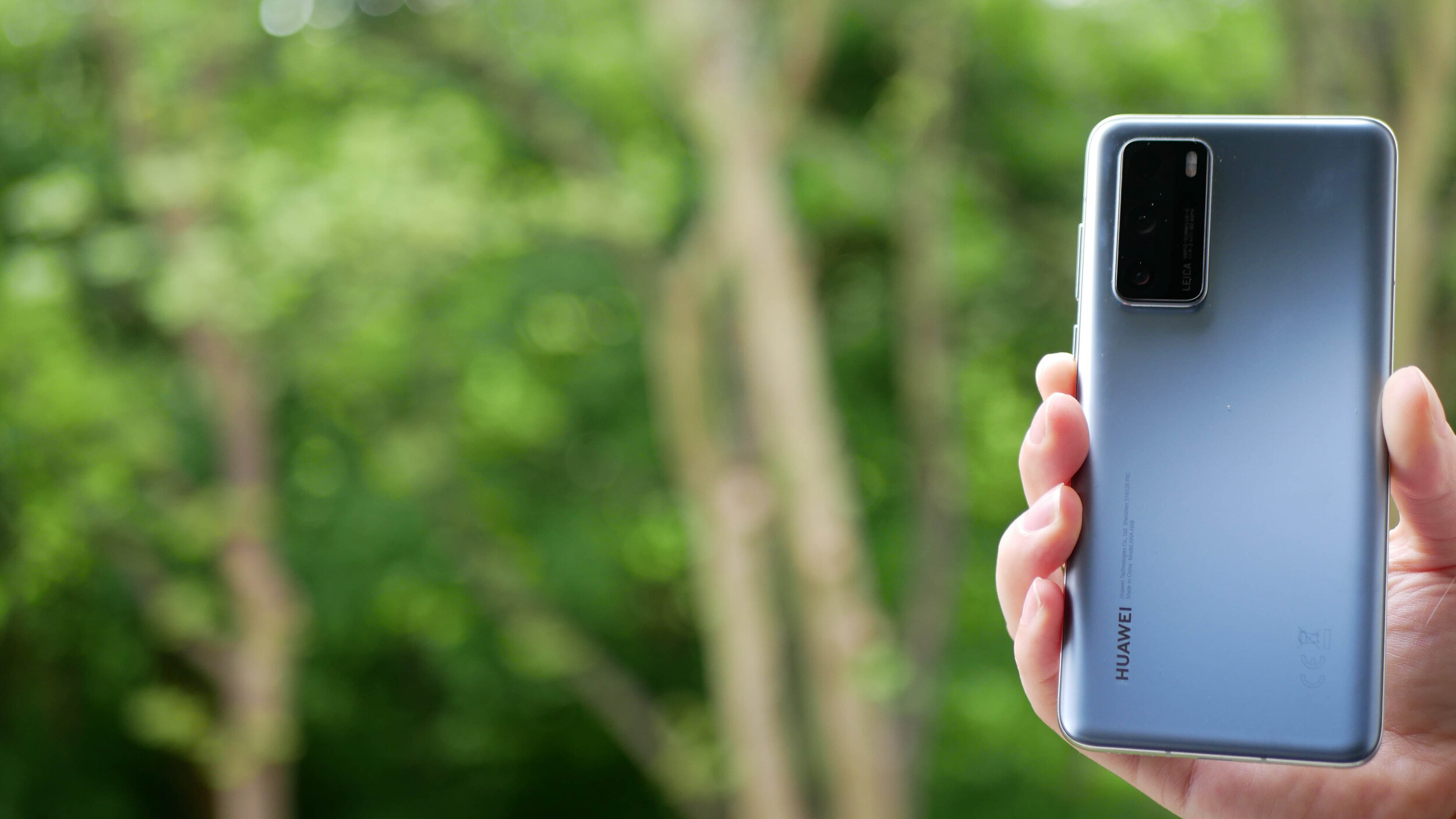
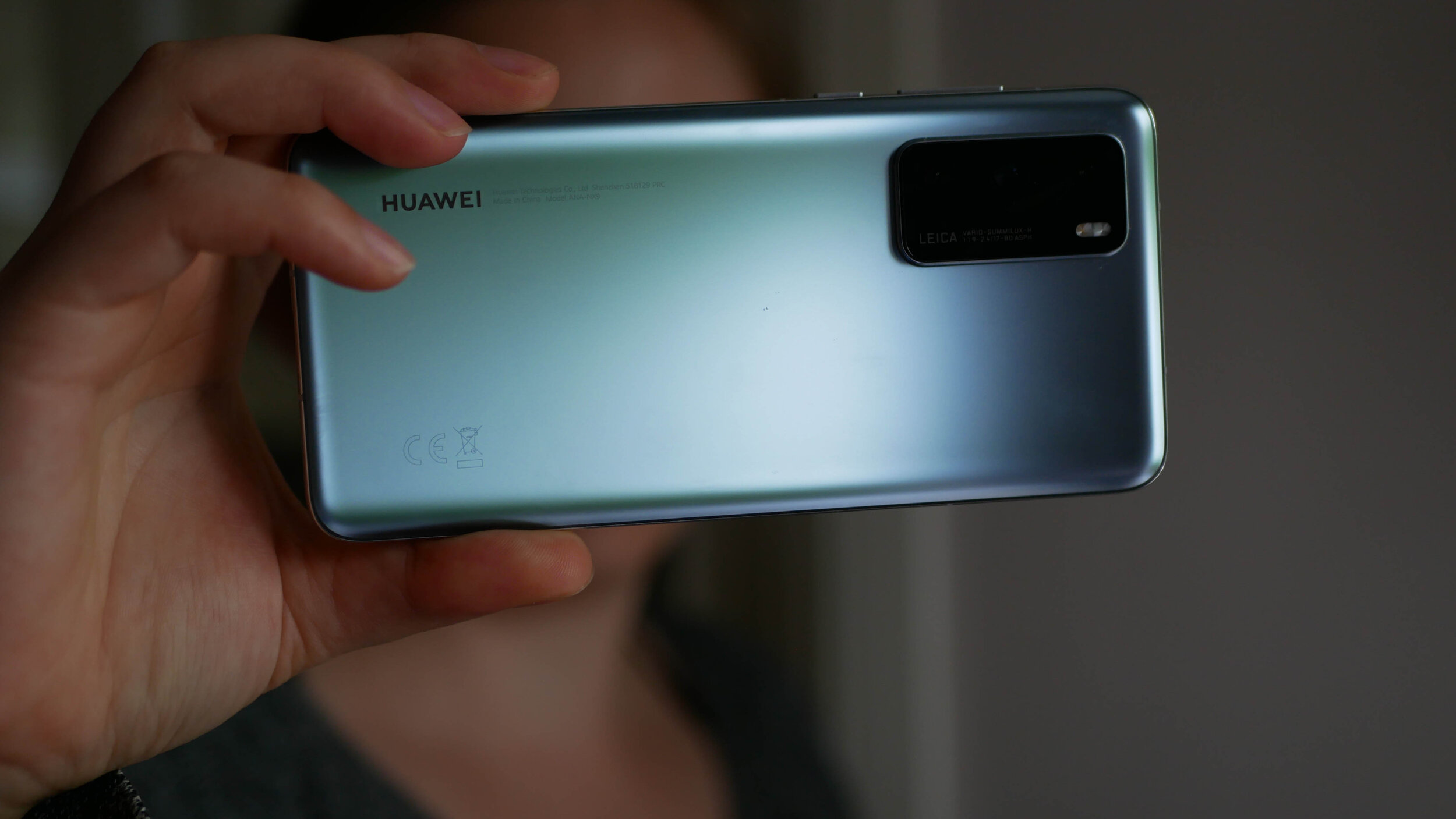
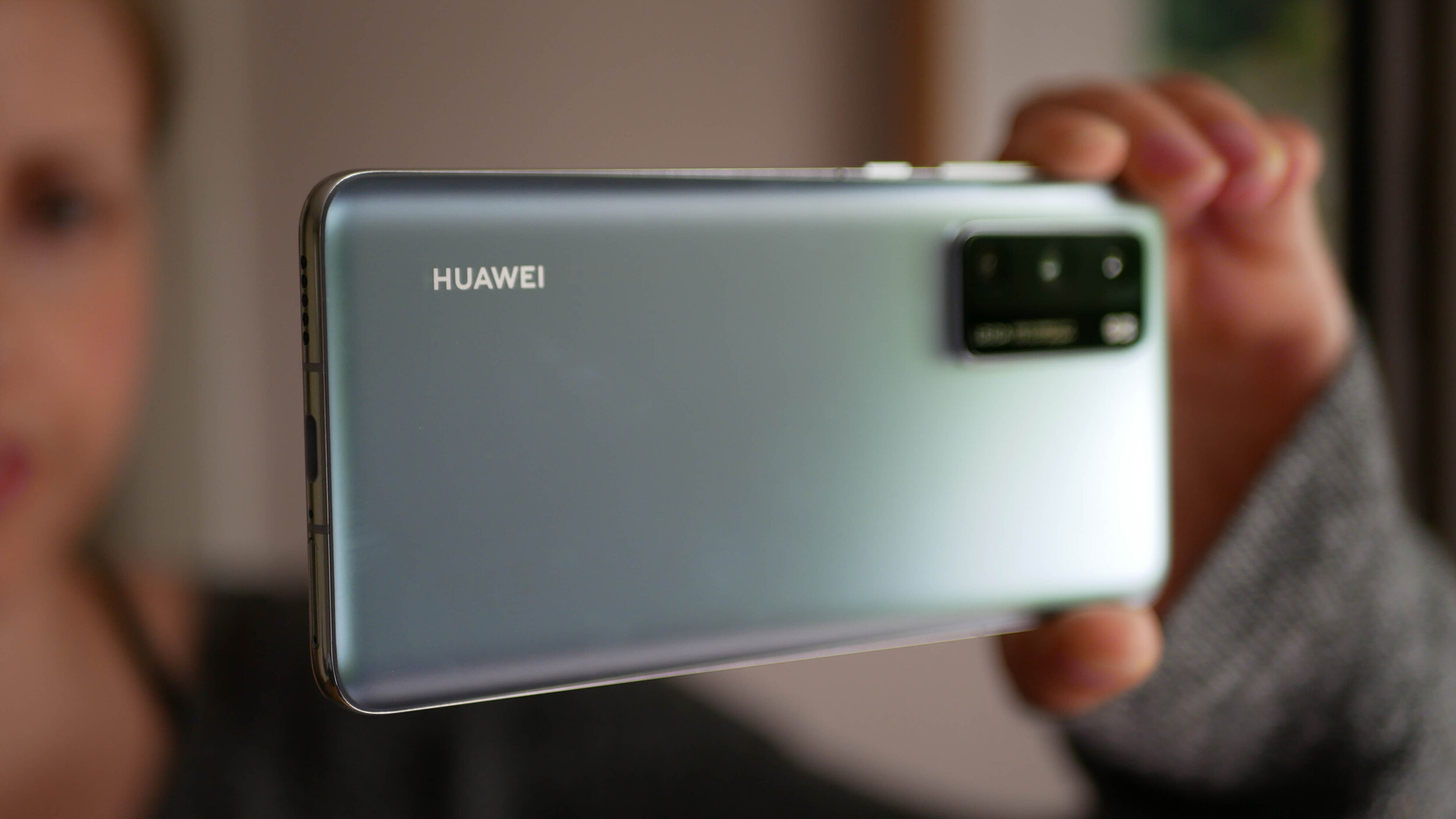
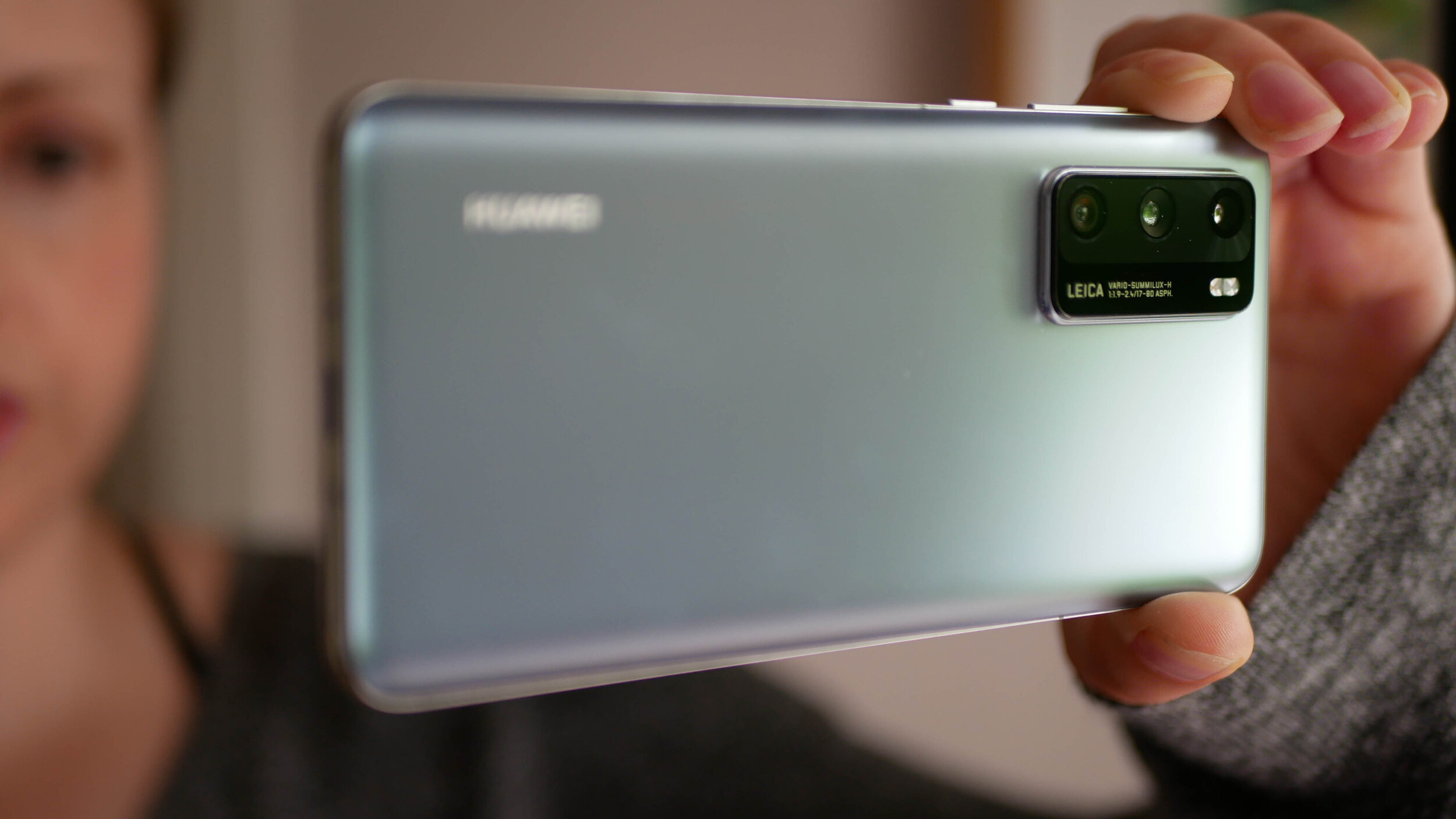
The gallery above is of the device and will be used in All About Android. Subscribe at TWiT.tv/aaa
As time goes by and we release more content, we will add it here.
Feel free to leave a comment if you have any feedback or questions.

Huawei FreeBuds 3 Review and Unboxing - Active Noise Cancelling on the Go
The Tech Travel Geeks Chief Aperture Officer, Lukasz, unboxes and reviews the Huawei FreeBuds 3. These are the latest high-end earbuds from Huawei with active noise cancellation running on the new Kirin A1 chipset. We include the full video review as well.
We’re finally doing the proper Huawei FreeBuds 3 unboxing and review. Finally, because we saw the unveiling during the IFA in Berlin last year, and because we actually filmed an unboxing at an airport on our trip to China in early December. Unfortunately, the quality wasn’t that great, so we never released it. But how can we unbox something again? Well, I got a pair in Shenzhen, but I lost one of the earbuds on a trip to London, and I only got a new pair this week. Watch our unboxing and review video below, or continue reading.
Unboxing
Huawei FreeBuds 3 unboxing - black charging case
The box is similar to other Huawei boxes - make sure you check Matteo’s unboxing of the new Huawei P40 (click to watch it on YouTube). We can find that they offer “new intelligent sound” and the Kirin A1 chip - more on that later.
Sliding out the external sleeve, we find the actual box. Inside, we find the earbuds in the charging case - I went with black again, but you can also pick white or red. There’s a QR code to download the app, a USB-C charging cable for the case, as well as some instructions and the warranty.
The case, luckily, has two earbuds, so I’ll be able to get back to listening straight away.
Pairing and the app

Huawei AI Life App
All right, let’s pair it with the two devices I’m currently using - the Doogee S95 Pro - expect a review in the next few weeks on Tech Travel Geeks, and the Huawei P30 Pro. First, Doogee, since I have to do it from scratch. First, scan the barcode to download the Huawei AI app. Open the case and hold the button on the side for two seconds. Start scanning for new devices and you should see the the Freebuds 3. It only takes a moment to connect. In my case, I also had a new firmware update, just note that it takes a moment, in my case, around 3 minutes.
Pairing with the P30 Pro was even easier, since I already had the AI app installed, so a request to pair just popped up and I was all set.
The app is quite simple - you can check the battery status of each bud and the case, set the shortcuts for what happens if you double tap on each bud and set the noise cancelling levels. Make sure you play with this setting and adjust to your surroundings, as it makes quite a big difference.
Sound quality and noise cancellation
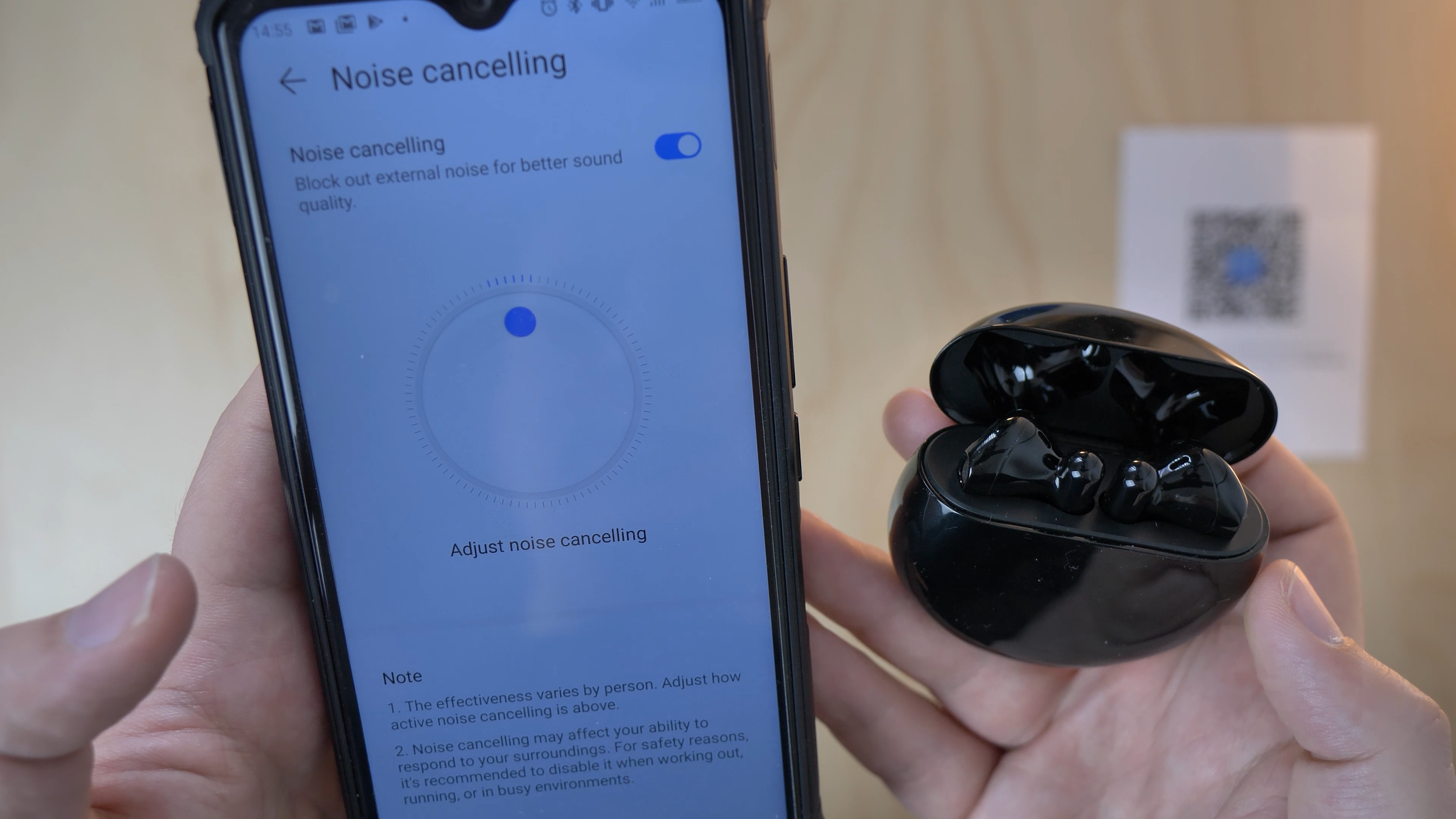
Huawei FreeBuds 3 noise cancellation setup in the AI Life app
Speaking of which: the Freebuds 3 are Huawei’s response to Apple’s AirPods, but with a major advantage - they’re the first earbuds with active noise cancelling. Thanks to their advanced Kirin A1 chipset, they’re able to cancel some noises coming from the outside. I actually used this feature on the 70,000 Tons of Metal cruise back in January and it helped balance the noise when I was too close to the stage a few times. Quite useful.
What about the sound quality? I really liked it, it’s nice and clean, and can go very bass-y, depending on the music you listen to. I’m mostly into heavier music, so I’ve been re-listening to the new Nightwish and Trivium albums and they sound great, especially the orchestral sounds. If you go from basic earbuds or just listening on your phone’s speaker, you’ll hear a lot of depth that you couldn’t hear before.
I’ve also been watching a lot of YouTube and some movies and shows, and I really liked the quality for that as well.
I also tested them during some calls with my family on WhatsApp and I was told that the microphone quality was all right. In a moment, you’ll hear a quick sample recording from the Freebuds 3 for your reference, compared to the Blue Yeti X microphone I recorded the rest of the audio with. You’ll notice that there’s some extra noise in the background, especially when I made any smallest movements, so don’t expect to use them to record any audio.
One thing I missed was an equalizer, to adjust the tone to your liking, like I can for example with my Sony XM2 headphones. However, you should be able to get a good sound from the default settings anyway.
Batteries and charging

Huawei FreeBuds 3 Batteries and Charging
The batteries are really good, they last up to 4 hours non-stop, and you can quickly top it up with the case in 30 minutes. As such, you shouldn’t have issues with keeping them charged, as long as you keep them in the case and recharge it from time to time.
The buds themselves get charged by the case, and the case can be charged either with a USB-C cable or through wireless charging. For that, you can use a wireless charger, or if your phone supports wireless reverse charging, you can use that instead. My P30 Pro supports it, and I’ve already used this feature many times, it’s really helpful when you’re out and about. Just make sure you put the case in the right spot of your phone.
Summary

Huawei FreeBuds 3 - my favourite earbuds right now
I got the buds on Amazon for £114 this time (click to find it on Amazon), which is a price decrease since it was released a few months ago. If you want to spend less and prefer a more in-ear cone build, you can wait a bit more to get the new Freebuds 3i, which will go on sale on 20th May for £89. They’ll also have active noise cancellation, but smaller sound drivers and it’s still to be confirmed if they have the Kirin A1 chipset.
As you can guess by now, I really enjoy the FreeBuds 3 - so much so that I bought them again after losing one of the buds. Well worth it if you like this specific kind of earbuds, highly recommended.
Thanks for watching, make sure you subscribe to our channel for more videos, thanks from the Tech Travel Geeks!
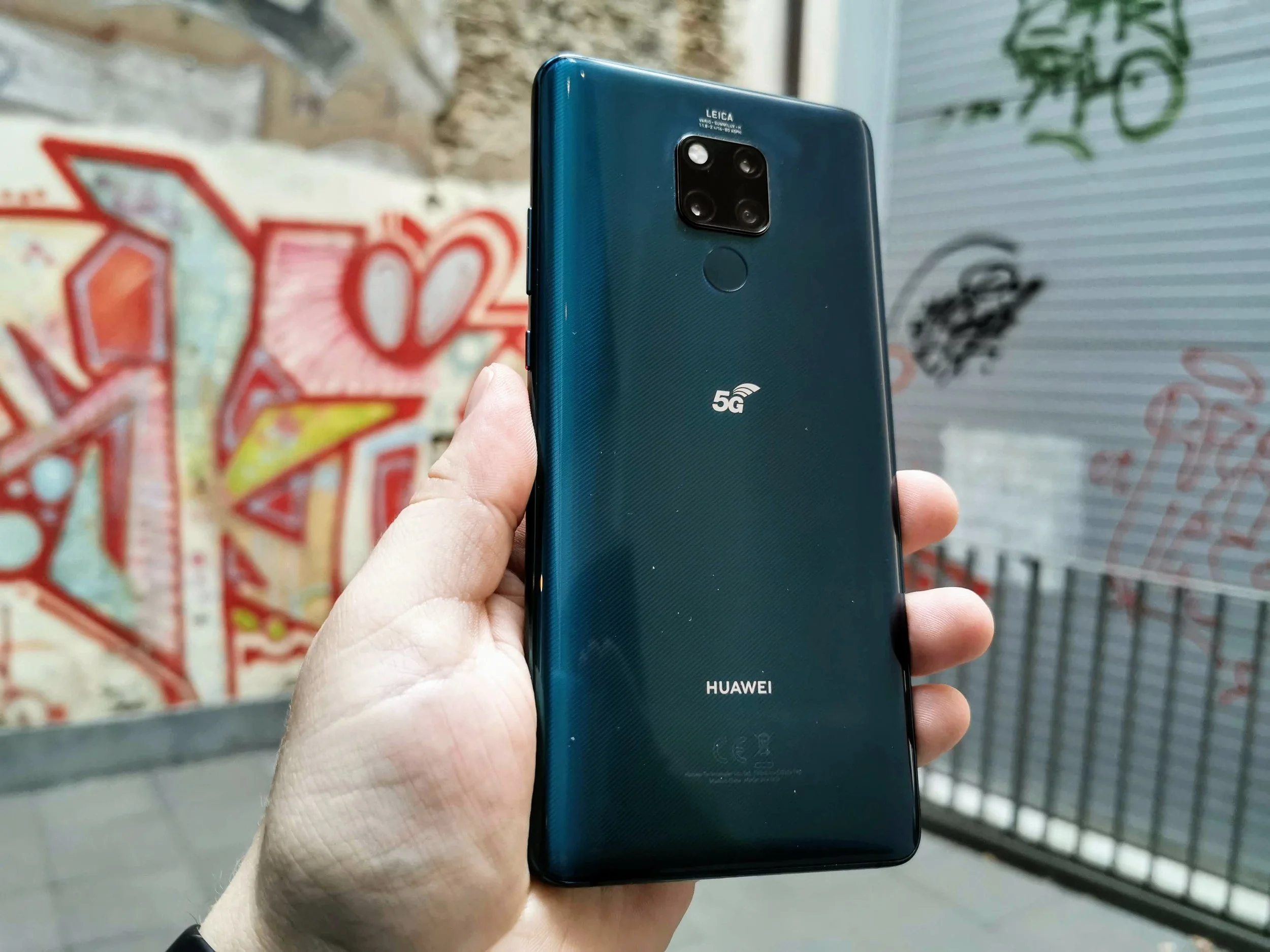
Hands on with the Huawei Mate 20 X 5G
Our Chief Mobile Opinionist Matteo goes hands on with the Huawei Mate 20 X 5G, and provides us with some first impressions.
Today in Berlin I had the pleasure of getting some hands on time with the Huawei Mate 20 X 5G smartphone, Huawei’s current 5G handset offering for European markets.
The Huawei Mate 20 X 5G is a big device: it has a 7.2” display (FHD+). Despite this it is surprisingly easy to handle and feels well balanced. In many ways it reminded me of my Xiaomi Mi Max I had a while back in terms of ergonomics.


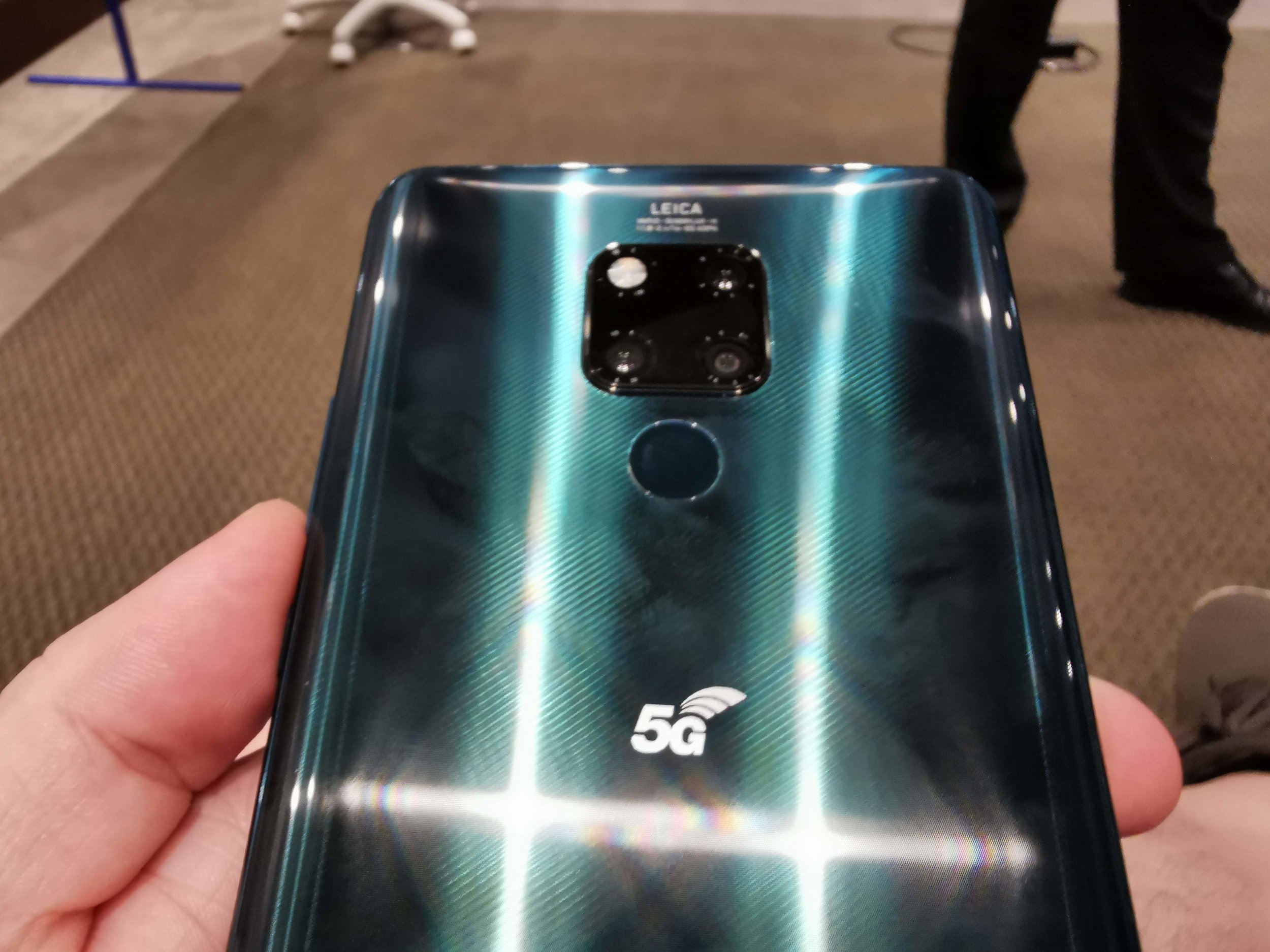

The user experience was very smooth. I wasn’t surprised by this as the device is powered by the same HiSilicon Kirin 980 chip we have seen on the Mate 20 Pro and the Huawei P30 Pro.
The Huawei Mate 20 X 5G is already on sale int he UK from Three, Vodafone and EE (the networks launching their 5G at the moment).
The camera setup is identical to the one on the Huawei Mate 20 Pro, so should deliver some great shots in a variety of situations.
I look forward to seeing how this device does in the market, as it is a bit of a niche product. I can definitely see it delivering a lot of value to someone who travels or commutes a lot, given the immersive screen and gaming capabilities.
Would you consider having a device like the Huawei Mate 20 X 5G? Let us know int he comments or on Twitter.
Huawei Mate 20 X 5G Full Specifications
General
Brand: Huawei
Model: Mate 20 X 5G
Body type: Glass
Dimensions (mm): 174.60 x 85.40 x 8.15
Weight (g): 232.00
Battery capacity (mAh):4200
Removable battery: No
Fast charging: Proprietary
Wireless charging: Yes
Display
Screen size (inches): 7.20
Touchscreen: Yes
Resolution: 1080x2244 pixels
Aspect ratio: 18.7:9
Hardware
Processor: octa-core (2x2.6GHz + 2x1.92GHz + 4x1.8GHz)
Processor make: HiSilicon Kirin 980
RAM: 6GB
Internal storage: 128GB
Expandable storage: Yes
Expandable storage type: Nano Memory Card
Expandable storage up to (GB): 256
Camera
Rear camera: 40-megapixel (f/1.8) + 20-megapixel (f/2.2) + 8-megapixel (f/2.4)
Rear flash: Yes
Front camera: 24-megapixel (f/2.0)
Software
Operating system: Android 9.1 EMUI 9.1
Connectivity
Wi-Fi: Yes
Wi-Fi standards supported: 802.11 a/b/g/n/ac
GPS: Yes
Bluetooth:; Yes
USB Type-C: Yes
Headphones: No 3.5mm jack, adapter from USB Type-C included in box
Number of SIMs: 2
Sensors
3D face recognition: No
Fingerprint sensor: Yes
Compass/ Magnetometer: Yes
Proximity sensor: Yes
Accelerometer: Yes
Ambient light sensor: Yes
Gyroscope: Yes
Barometer: Yes

An Optimist's Opinionism about the Huawei News
Matteo, the Chief Mobile Opinionist at Tech Travel Geeks is uncharacteristically positive about what is happening in the mobile industry after Google have had to cut business dealings with Huawei due to the ongoing trade war between the US and China.
OK, by now you’ve already heard the news, even if you are someone who doesn’t normally follow the tech scene: Google has suspended some of its business with Huawei. More specifically, Google has suspended business with Huawei which requires the transfer of hardware, software and technical services except those publicly available via open source licensing.
This news was broken by Reuters on Sunday May 19th 2019, just under two days before Huawei’s brand Honor is due to announce and launch their Honor 20 Series of devices globally. I’m writing this piece of rampant opinionism on an easyJet flight to London to attend that very event and cover it for the Tech Travel Geeks website and the Tech Travel Geeks YouTube Channel.
Many more clever and thoughtful commentators have already explained what has happened quite exhaustively and illustrated potential ramifications. I particularly enjoyed Vlad Savov of The Verge’s take and Andrew Martonik of Android Central’s piece.
Both analyses are quite bleak in their outlook for Huawei. Vlad’s piece has a pull quote which paints a chilling protein rich metaphor: “Deprived of Google’s software, Huawei would be selling featherless chickens”.
Andrew on the other hand has a bit more of a pragmatic statement to make: “It simply isn’t reasonable in 2019 for any company to launch a phone outside of China without Google Services.”
While in the short term I agree with both views, I have a different and uncharacteristically positive outlook in the medium and long term.
Huawei is a Chinese business who have been playing the long game in the tech industry for decades. The company has been consistently investing in research and development and building technical and product know-how along the road while slowly surpassing established players both in the networking and smartphone handset industry.
Having operated in the Chinese smartphone market, Huawei have also built up services and platforms that deliver a Googleless Android experience to tens of millions if not hundreds of millions of customers.
While many commentator’s Western view that Android without Google is close to a crippling experience, in my view this may not actually be the case. I think we are already moving to an OS or platform agnostic consumer market for smartphones. More and more consumers are switching between iOS and Android because the services which are really important to them are very similar. WeChat, Facebook, WhatsApp, Twitter and other popular services are all available on multiple platforms. As long as the services are available, the average consumer will be happy, regardless of what underlying service provider is there. Ben Thompson already described this market dynamic back in 2017 when analysing the fruity brand’s performance in China.
Huawei is currently the second biggest smartphone manufacturer in the world, and if this ban is implemented, I think in the short term their growth will surely be stifled. My long term view on the other hand is, as I mentioned more positive.
Huawei is a recognisable and strong enough brand to be able to power through this within 3 years thanks to some fundamental market dynamics:
1. The majority of smartphone consumer growth in the next three years will be in regions such as South America, South East Asia and Africa.
2. Huawei’s range of smartphone hardware excels on key features consumers REALLY want: battery life, good cameras and reliable overall device hardware.
3. Huawei can produce, sell and support a Googleless smartphpone experience on their devices in those markets and continue to grow and gain overall smartphone global market share (even if other regions are negatively affected by this ban). This is in part thanks to an established and aspirational brand, existing retail and network partnerships.
This won’t be easy, obviously. Once the critical mass of consumers of Huawei devices is out there, the providers of core services consumers use will be lining up to have a presence on the platform. Just think of the lengths Facebook has gone to have a presence in markets like India, even on non-smartphones.
As I mentioned at the beginning, Huawei are in this for the long game. They can weather a few bad seasons and still remain a relevant and successful player in the smartphone market, maybe introducing another significant smartphone platform on the global stage.
Anyway, this potential future unfolding of smartphone market events is just my Six Pence (you are None the Richer) while the Airbus A320 Neo I am on is starting to descend towards St Ansted.
The bigger issue was well summarised by others, and I’m just putting a few extra words on the Internet. Daniel Bader of Mobile Nations put it nicely when referring to some of the fanperson takes on Twitter delighting in the happenings reported.
I completely agree with Dan here.
What few have mentioned is that as part of this “Trade War” between the US and China we have all been focusing on the US’ move and the consequences and outlooks for Huawei and the smartphone industry as a whole.
What will be more interesting for me to see is what the Chinese Government’s next big move is: think what would happen to the smartphone market if all exports of the autumnal Apple iPhone product release were blocked by China. 2019 could be the first year with no new iPhone since 2007. Short term Apple would truly be crippled though they too can play the long game…
Another thought to leave you with: what if the real loser in this exercise in futility is actually Google who could lose their grip on Android, the operating system they created and fostered.
This was Matteo’s rampant opinionism piece concerning Google suspending some of its business with Huawei. You can read more about it from these excellent sources below. I’ll be in London tomorrow to cover the Honor 20 Series launch. Who knows, maybe my uncharacteristic optimism will change. Keep an eye on the Tech Travel Geeks YouTube Channel and TechTravelGeeks.com for more updates.
https://www.theverge.com/2019/5/20/18632266/huawei-android-google-ban-phone-business-future
https://www.androidcentral.com/what-losing-google-means-huawei-smartphone-business

Huawei P30 Pro - All the Tech Travel Geeks Content
All the Tech Travel Geeks content about the Huawei P30 Pro. So shiny! Such good camera! Very power efficient! WOW!
The Tech Travel Geeks Chief Mobile Opinionist was a guest of Huawei’s at the launch of the Huawei P30 Series in Paris, France. The Tech Travel Geeks Chief Aperture Officer liked the Huawei P30 Pro so much, he decided to get one himself (in another colour).
Here you will find all the videos we will create for the Tech Travel Geeks YouTube Channel.
Huawei P30 Pro Breathing Crystal Unboxing - Paris
Unboxed on the day of the announcement. So fresh!
Huawei P30 Pro First Impressions - Shiny Powerhouse
A masterfully edited and filmed video. Well done to Lukasz.
Huawei P30 Pro Smart View Flip Cover Unpackaging & First Impressions
Unpackaging the case to keep the device shiny.

We were on the back of the ferry to Kowloon. It was like a ferry-tail...

The back of the Star Ferry from Hong Kong to Kowloon.
We were on the back of the ferry to Kowloon. It was like a ferry-tail...
I'm not apologising to anyone for this terrible pun. I can hear you all groaning from behind The Great Firewall.

Hong Kong Skyline as seen from Kowloon at night
Our day trip from Shenzhen to Hong Kong and back was a great experience: we went up Victoria Peak and walked around the hill, took the tram back down and then the ferry to Kowloon.

Hong Kong skyline
I had some great fun with the cameras of the Huawei Mate 20 Pro and the one on the Google Pixel 3 XL too: from zoom, to wide-angle selfies and night shots inight sense shots.

We will be going into this in a bit more depth soon, but here are some samples to wet your appetites.
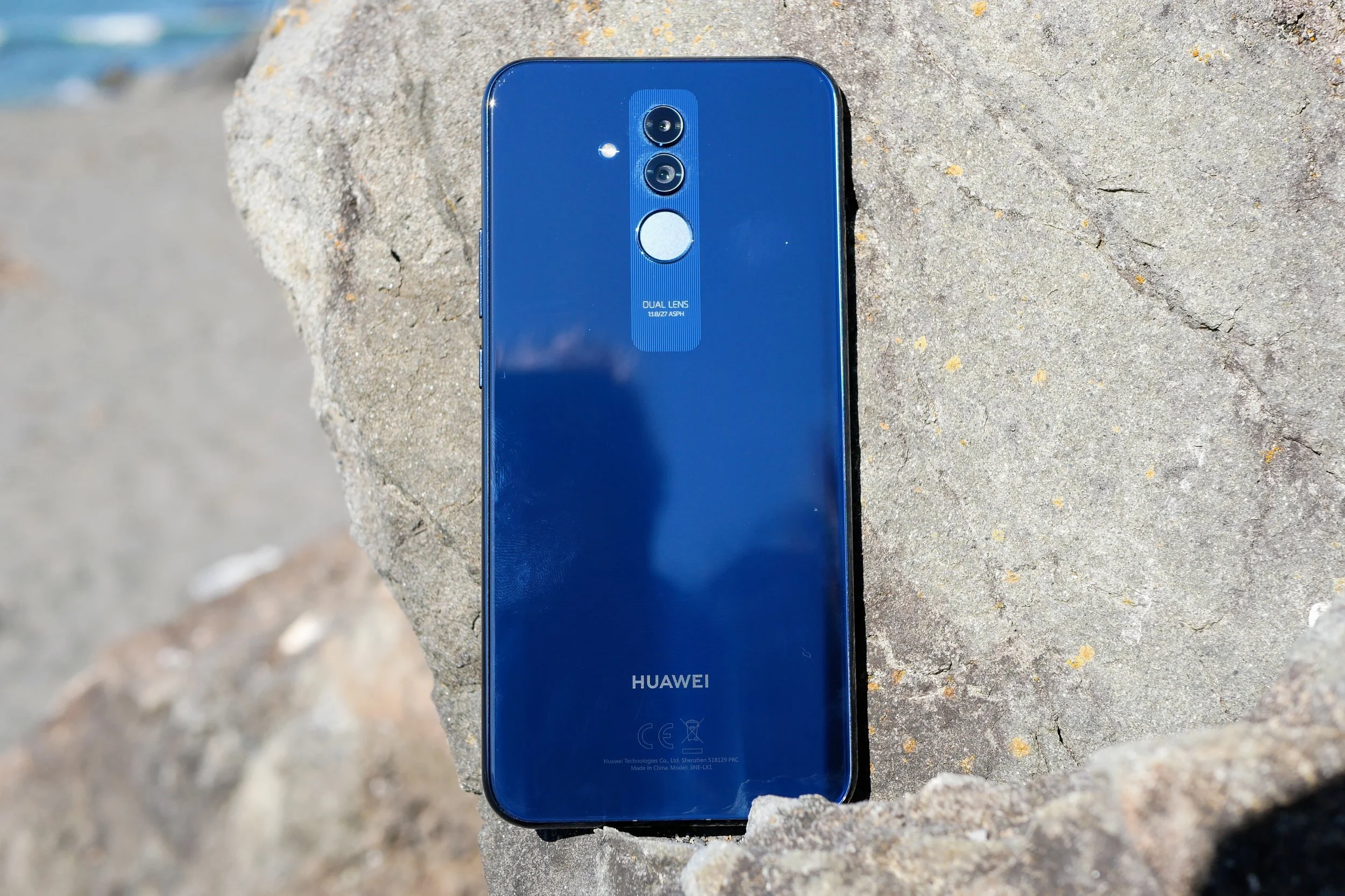
Huawei Mate 20 Lite Review - Great Value 6.3" Tease
Matteo, our Chief Mobile Opinionist, reviews the Huawei Mate 20 Lite. Is it just a 6.3” tease of what Huawei is going to announce or is it a more than capable product in its own right?
We are in the middle of a frenzy of smartphone launches just before the holiday season. Huawei teased us at IFA 2018 in Berlin with the announcement of the Kirin 980 chipset we are likely to see powering the Mate 20 Pro. At IFA they also announced the Huawei Mate 20 Lite, which is a 6.3” tease of what we may see announced on October 16th in London.
This is the Tech Travel Geeks review of the Huawei Mate 20 Lite, which I am writing after more than two weeks of use, while at home in Edinburgh and travelling on a road trip on the West Coast of the United States of America. During that time the review unit of the Huawei Mate 20 Lite has been using a 3 UK SIM card with Feel At Home Roaming in the USA. The review device was provided by Huawei and will be returned.
Huawei’s Mate range is its second half of the year flagship portfolio, essentially their toc to their tic-toc annual device release. In recent years both the Huawei P Series (the tic) and the Mate Series (the toc) have had “Lite” variants, which share many of the design language and some of the software of the Pro versions. To keep the price in check and justify the “Lite” moniker there are some necessary trade-offs in terms of specifications or materials, but overall you get a premium mid-range experience as well as some premium image and branding.
Huawei Mate 20 Lite Technical Specifications
Display: 6.3” 1080 x 2340 pixels IPS LCD, 19.5:9 ratio (~409 ppi density)
Chipset: Hisilicon Kirin 710, Octa-core (4x2.2 GHz Cortex-A73 & 4x1.7 GHz Cortex-A53), Mali-G51 MP4 GPU
Operating System: EMUI 8.2 (Android 8.1)
4GB RAM, 64GB Storage (expandable with up to an extra 256GB with MicroSD)
WiFi 802.11 a/b/g/n/ac, dual-band, Wi-Fi Direct, hotspot
Bluetooth 4.2 LE
GPS, GLONASS, BDS
FM Radio
Rear camera: 20 MP, f/1.8, 27mm (wide), PDAF with 2 MP, depth sensor
Selfie camera: 24 MP, f/2.0, 26mm (wide) with 2 MP, depth sensor
3750 mAh battery
Design
The Huawei Mate 20 Lite feels like a true premium device, with a glass sandwich industrial design where the edges are rounded and the front and back glass are gently curved into the edges. The review device we were provided with is described as sapphire blue, and is much less punchy or shiny than what we saw in the phantom blue Honor 10, but tasteful and pleasantly reflective.
The right side of the device is where you will find the power button and volume rocker. There is nothing too exciting about the left side, apart from the hybrid dual SIM or SIM and MicroSD tray which sits flush with the rest of the edge.
There is little to report of the top edge of the device too: just a microphone hole.
The bottom edge of the Huawei Mate 20 Lite is where all the action happens: you’ll find a microphone hole, speaker grille, USB Type-C charging and data port, and a courage port (3.5mm audio jack port).
The front of the device is dominated by the 6.3” notched FHD+ (1080x2340) display and some very slim bezels. No fingerprint reader here (it’s on the back), and the notch has a speaker, sensors and a dual-selfie camera setup (24MP + 2MP).
The back of the Huawei Mate 20 Lite is where you will find the dual-camera setup (20MP + 2MP), single LED flash and fingerprint reader. The camera and fingerprint reader are in vertical configuration, where there is some subtle striping to highlight the area embedded in the surrounding glass.
Overall the Mate 20 Lite is pleasant to hold, has a reassuring heft to it and is well balanced.
Performance & Experience
The performance of the Huawei Mate 20 Lite was excellent: throughout the fortnight using the device I noticed no slowdowns in heavy everyday use and gaming (Goat Simulator). I even used it to play Pokemon Go occasionally and had no issues and experienced good battery life. Huawei have done a good job here: the 12 nm Kirin 710 chipset is powerful and efficient. Paired with 4GB of RAM and EMUI’s resource management most users won’t really have any issues or know that this is a “Lite” device.


EMUI is Huawei’s Android distribution on the Mate 20 Lite. In this case it is EMUI 8.2, based on Android Oreo 8.1. At time of writing the review device had the July 2018 security patch.
As with previous Huawei and Honor devices, the launcher has a certain fruitiness to it by default, but it is relatively simple to add a drawer if needed. I had no issues installing third party launchers, provided I remembered to change the default launcher to it in the settings.
EMUI contains a very long list of features and optimisations. To put it simply, it is one of the most complete if not overly fruity Android distributions out there. There is a lot to like, and in look and feel it differs from Google’s Android experience quite a lot.
Cameras
The 20MP and 2MP dual-camera setup on the back is impressive for this category of device. In good lighting conditions the pictures were clear and packed plenty of punch. In low light it performed well and with night mode on and small tripod delivers some amazing low light shots.


An AI toggle in the camera interface enables you to allow the Mate 20 Lite to optimise camera settings according to what Huawei’s AI recognises in scene. There are 22 different types of scene which can be detected, and overall I found this useful. Depending on camera mode (AI on or off) there can be some excessive smoothing, but overall most people will find the camera results impressive and ideal for use on social media.
The video recording maxes out at Full HD 1080p at 30fps. For most users this is more than enough and the results are pleasant and carry plenty of detail and have good colour reproduction.
The 24MP and 2MP dual-selfie camera setup is ideal for Snapchat or Instagram sotries and provides a slew of filters, overlays as well as 3D Qmojis which replicate your face and expressions in cartoonish characters. If you go for more traditional selfies, it is a good camera once you find your preferred beautification levels. Portrait mode is the best in this smartphone category.
EMUI features of the camera, such as AI and Qmoji are definitely a feature which adds value to this premium mid-range device.
If there were one change I could make to the device, it would affect two features: an increased battery, maybe an extra 500 mAh, which would also make it slightly thicker and do away with the protruding camera modules on the back. Apart from that it is my personal opinion that Huawei’s team have put together an excellent product which as part of the overall Mate 20 series push will perform very well in its market segment.
Overall the Huawei Mate 20 Lite is an excellent device for the premium mid-range segment it sits in: plenty of power, good battery life, capable cameras and an overall premium experience and ergonomics.
At time of writing, the Huawei Mate 20 Lite retails for £379 SIM free or on a pay as you go basis in the UK. This equates to approximately 400 Euro or 500 US Dollars. For that you not only get a good value smartphone, but the looks and brand power Huawei is starting to be well known and admired for.
As we opened this review, I shall close it: the Huawei Mate 20 Lite is 6.3” tease for what is to come. If you are not really too fussed about spending a large sum of money on the best devices on the market, but still want a good smartphone which will perform well and satisfy most user needs, the Huawei Mate 20 Lite is a good option to consider.
I also took the Huawei Mate 20 Lite onto All About Android on TWiT TV. Below you will find a video of my review while I was in the studio and one of our unboxing.

Honor 10 Review - Flagship Of Shininess
Our Chief Mobile Opinionist Matteo reviews the shiny Honor 10.
The Honor 10 is Honor’s shiny flagship for 2018, following in the path Huawei’s sub brand set with the Honor 8 and Honor 9. The Honor 10 also benefits from some of the features and components you see in Huawei’s 2018 flagship P20, such as the chipset, while retaining a courage port (also known as the 3.5mm audio jack).
The Honor 10 shininess causing lense flare...
Specifications
Right, before we go any further let us go through the specification sheet:
Body: Aluminium frame with glass back (also known as a glass sandwich)
Screen: 5.84" 2280x1080px (19:9) IPS LCD, 432ppi with a notch
Chipset: HiSilicon Kirin 970, Octa-core (4x2.4 GHz Cortex-A73 & 4x1.8 GHz Cortex-A53), Mali-G72 MP12 GPU
Memory: 4GB RAM and 128GB of storage (no microSD expansion slot)
Camera: Dual: 16MP colour (f/1.8) + 24 MP black and white, phase detection autofocus, 2160p @ 30fps video with “AI Camera”
Front facing camera: 24MP (f/2.0), 1080p video
OS: Android 8.1 Oreo with Huawei EMUI 8.1 + AI features
Battery: 3,400 mAh non-removable with Huawei Super Charger (5V@4.5A)
Connectivity: Dual Nano-SIM; USB-C (USB 2.0), NFC, Bluetooth 4.2, GPS, GLONASS
Misc: IR Blaster, single bottom-firing loudspeaker, front-mounted ultrasonic fingerprint sensor with gesture navigation


Design
The Honor 10 is a smaller device than most of the other current flagships which sit at or just above the 6” diagonal (with an 18:9 or 19:9 aspect ratio). At 5.84”, with a 19:9 aspect ratio screen the Honor 10 is definitely a more manageable size and fits in some pockets much better.
The Honor 10 screen has a notch, and that isn’t necessarily a bad thing: the notch can be masked thanks to EMUI’s software feature to be minimally intrusive and surrounded by black while still useful displaying notifications. Notches are a bit of a marmite design feature at the moment (you either love them or hate them), and the EMUI notch handling is graceful. I like to think of it as putting a little bit of marmite on your toast and then covering your toast with a whole jar of Nutella: you may get a little bit of aftertaste, probably because you know it is there, but the glaring issue is hidden away.

The Honor 10 "glass sandwich" with typewriter and banana for scale...
The glass sandwich design with an aluminium frame is sleek and quite slippery. The back of the Honor 10 is made of 15 layers of glass with something called “nano-scale optical coating”. That means that the colours can shift and fade from blue or green to purple depending on how light hits the back. The review device we have at Tech Travel Geeks is a Phantom Blue model and the effect is breathtaking. I often find myself taking the device out of a case just to look at the shiny “Aurora Glass”. Speaking of cases, the Honor 10 comes with a plastic Honor case in the retail packaging. Those of you with excellent taste will be happy to know that quite a selection of cases in different materials are available on Amazon and AliExpress. Yes, of course mockodile is an option. And if you thought the Samsung Galaxy Note 3 depleted the world’s supplies of fake stitching, pleather phone case makers in China would like to correct your assumptions. Plenty of pleather cases with fake stitching are available as well.
Display
The screen is sharp, clear and bright. Even in the unusually sunny and bright summer we are having in Scotland it is perfectly usable in direct sunlight. The pre-applied screen protector which the device comes with is good, though does not cover the whole screen. I’ve been using the device as a primary one for over a month and haven’t had any problems with it.


EMUI offers quite a range of display customisation options, including screen resolution scaling, which reduces the resolution to HD+ (1520x720) to save battery. There is also a smart resolution mode which will automatically lower screen resolution to help save battery life.
I’ve found myself comfortable with EMUI’s “Smart Rotate” as well: the screen will only autorotate to follow my face orientation. This is really handy while lying on my side and using the device.
Chipset & Performance

The Honor 10 is powered by HiSilicon's latest 10nm chipset, the Kirin 970. As in the Honor View 10, the Huawei P20 series and the Huawei Mate 10, the Kirin 970 paired with 4GB of RAM delivers a snappy and reliable user experience while being relatively power efficient. Compared to my Qualcomm Snapdragon 835 and 845 devices, in day to day use I have encountered no noticeable slowdowns or performance differences.

The Kirin 970 chipset also includes a dedicated NPU, which allows for machine learning or “AI” to be performed locally on the device. The benefit of that is in managing resources, but more noticeably and shouted out about more by Honor this enables the camera “AI” to be a stand out feature on the Honor 10.
Cameras

The Honor 10 Cameras are an interesting setup. On the back you have a dual 16MP colour sensor and a 24MP black and white sensor both behind f/1.8 lenses. Autofocus is handled with Phase Detection Autofocus (no lasers here). There is also no optical image stabilisation, and the flash is a single LED bulb, not a dual-LED setup as is quite common nowadays.
When using the dual camera setup the 16MP sensor takes the main shot and then the information from the black and white 20MP sensor is overlayed to deliver detail. The outcome is clear and sharp pictures with plenty of dynamic range. The usual modes we expect from Honor and Huawei, including photo (with AI), portrait, Aperture, video and AR lense as well as Pro (manual mode), slow motion, night shot, panorama, monochrome, light painting, HDR, time-lapse, filter, 3d panorama, document scan, artist mode, 3d creator and good food.


The standard photo mode has a colourful “AI” toggle which will, using EMUI software and the dedicate NPU of the Kirin 970 chipset, detect subjects and/or scenery and lighting to tune settings accordingly. With the Honor 10 a new “Panda Mode” was introduced. This “AI” works quite well, and often gets things spot on. My two cats, Vala and Rodney, are mostly recognised as cats and “Cat Mode” kicks in, but sometimes the Honor 10 AI recognises them as dogs. In the specific case of Rodney, a white and black rescue moggy, “Panda Mode” sometimes kicks in to my amusement.

The camera “AI” on the Honor 10 AI camera (which you are reminded of with “AI camera” logo on the shiny back) is pretty good, and I have ended up as leaving it on by default. The results are usually impressive and very instagrammable. You are likely to see some of my shots on instagram with the hashtag #ShotOnHonor10.

As the Honor 10 cameras don’t have optical image stabilisation, low light shots suffer a bit, but if you invest in an inexpensive and cheerful tripod or gorillapod nightshot mode can produce some stunning snaps.

The 24MP selfie camera performs well. I’m no selfie expert, but beauty mode makes me look prettier than I really am, and some of the overlays or Augmented Reality (AR) features are fun to mess around with.
Battery
The 3400 mAh battery on the Honor 10, paired with the Kirin 970 chipset and EMUI’s software optimisations delivers a day’s use quite comfortably for me. This usually involves streaming music over bluetooth, some light goat related gaming, social media, messaging and plenty of photography.
Fingerprint Sensor and Face Unlock
The fingerprint sensor on the Honor 10 is placed at the front of the device in the bottom bezel. There is no clear delineation or tactile reminder that the fingerprint sensor is there, and it isn’t the fastest fingerprint sensor on the market, but works well and seems pretty reliable to me. The added value this brings is that it is an ultrasonic fingerprint sensor: that means that you can use it even when your hands are damp or wet. Sadly the Honor 10 has no IP rating so it isn’t too suited to being used in the bath, the pool or a Scottish winter.
You also have Face Unlock for unlocking your device just by pointing the device selfie camera at your face. This works for me using a baseball cap, but not with glasses on. I’m quite used to using it now and would say I use Face Unlock more often than I use the fingerprint reader nowadays.
Conclusion
The Honor 10 is an excellent device which delivers very good value for money at the £399 price point. While other brands have upped pricing to keep up with being closer to big brand flagships, Honor have managed to deliver a great smartphone while making some key trade offs which have not affected the overall flagship smartphone experience much. If you are looking for a solid camera, good battery life, snappy smartphone with drop dead gorgeous looks the Honor 10 is recommended by Tech Travel Geeks. Having a dual-SIM card slot is also one of the biggest decision tippers for travellers too.

Honor 10 Launched Globally
The Honor 10 launches globally and Tech Travel Geeks are at the launch event.
Today Honor launched the Honor 10, their 2018 flagship in London and Tech Travel Geeks were guests of Honor at the event.
The Honor 10 is a powerful smartphone with a 24 megapixel selfie camera, dual 24MP and 16MP rear cameras and a 19:9 aspect ratio 5.84" FHD+ display with notch. The display offers an 86% screen to body ratio.
The Honor 10 is powered by the Huawei-made Kirin 970 chipset which is the same one you will find on the Huawei P20 and P20 Pro as well as the Honor View 10. RAM is 4GB for the Honor 10 in Europe and storage will be 64GB or 128GB, but there will be no microSD expansion. Good news if you are still clinging on to 3.5mm headphone jacks though: the Honor 10 has one!
A 3400 mAh battery will keep the device powered, with fast charge options which allow for a 50% charge in as little as 25 minutes.

In the UK the Honor 10 will be available in Phantom Blue and Phantom Green and its recommended retail price will be £399. If you are looking to get the Honor 10 on contract it will be available from Three UK for £31 per month with no upfront cost over two years with 4GB of data or £40 per month with no upfront cost with 30GB of data.
The Honor 10 goes on sale on Thursday May 17th 2018 in the UK and will also be available SIM-free from amazon, the Carphone Warehouse as well as other retailers.
Keep an eye on Tech Travel Geeks for our unboxing and first impressions coming later today.

This Week in Mobile - Quiet Preparations
The Tech Travel Geeks Chief Mobile Opinionist Matteo covers the week's main mobile news subjects for us.
Welcome to This Week in Mobile, Tech Travel Geeks' weekly column covering what has happened in the world of mobile. If we haven't covered it on Tech Travel Geeks we'll link to the best content on the web.
It has been a relatively quiet week for mobile related news and most of us are still getting over last week where we had some pretty major announcements.
My retail unit of the Huawei P20 Pro arrived and I unboxed it on the Tech Travel Geeks YouTube Channel.
First impressions of the Huawei P20 Pro are good. The device feels great to hold and use, the notch isn't an issue for me and the camera still has to win me over. I'll go more in depth on that later this week, here on Tech Travel Geeks.
I'm packing my bags at the moment as I will be travelling to Dubai to speak at droidcon Dubai, the largest Android developer event in the GCC. My talk will be on the Saturday, and this time I am officially representing my employer, Skyscanner. Expect some great content being published on Tech Travel Geeks in the coming weeks as Lukasz will be in Dubai too and we will be shooting video there.
Lukasz published his video of the Samsung Galaxy S8+ vs the Samsung Galaxy S9+. As usual the production values of his content are amazeballs. I really need to up my game on video to at least try and keep our content consistent.

My Pixel 2 XL received its April Security patch. It continues to be one of my main mobile devices and is coming to Dubai with me.
Until next week, that is all from This Week in Mobile. Let us know if you would like to cover anything specific in the coming weeks.

This Week in Mobile - Xiaomi and Huawei Mix it up!
Welcome to This Week in Mobile, Tech Travel Geeks' weekly column covering what has happened in the world of mobile. If we haven't covered it on Tech Travel Geeks we'll link to the best content on the web.
I'll just put this out there before I type any more: though this post is being published on April 1st 2018 there are no April fools in here. None. Don't bother looking for any. It is pointless to search for an Easter Sunday Aprils fools in here.
This week two of the biggest handset manufacturers in the world released their new flagships. Xiaomi announced the Mi Mix 2S and Huawei announced the P20 range (P20 Pro, P20 and P20 Lite). Both these manufacturers happen to be Chinese and both are expanding globally.
I'm particularly interested on what comes from China in the mobile space and always actively use at least one device from Xiaomi and one from Huawei. Currently I'm using a Xiaomi Mi 6 and a Huawei Honor View 10 (as well as a Huawei Honor 7X).
Xiaomi Mi Mix 2S
The Xiaomi Mi Mix 2S
Xiaomi started the bezelless craze a while back with the original Xiaomi Mi Mix. My friend Iain has one and he very kindly let me play around with it. It is a lovely premium device.
This week Xiaomi announced the Mi Mix 2S, which is the latest version of their bezelless line. Powered by the latest and most powerful chipset from Qualcomm, with a dual camera on the back, a 18:9 aspect ratio display and ceramic and metal build the device sits comfortably in the premium category of smartphones.
Xiaomi Mi Mix 2S front and back
I expect this device to sell well in Asia and southern European markets where Xiaomi is already a popular brand. An important ingredient to the recipe of the future success of the device is pricing: the entry level model (with 6GB of RAM) starts at around $530 and the top end model (with 8GB RAM) will be around $650. Dan Seifert over from The Verge explains more in the video below.
Huawei P20 Range
Huawei's P series devices are their flagships, usually launched in the first half of the year. This week the Chinese manufacturer announced the P20 line.

Huawei P20 Series
At the top of the range the P20 Pro sits with a 6" AMOLED screen (with a notch), a large battery, AI capable chipset and software and a new triple camera on the back.
Huawei P20 Pro technical specifications at GSMArena.com.
The cameras, one 40MP, one 20MP and one 8MP, paired with Huawei's own chipset and software are the main highlight for me. This weekend I caught up with our friend Jonathan Morris from jmcomms.com and saw what the camera can do in person. I was really impressed by the results, and look forward to hopefully having a Huawei P20 Pro of my own next week.
Check out Jonathan's content on the Huawei P20 Pro over at jmcomms.com.
Alex Dobie over at Android Central did a great preview of the P20s and also released a great video about it. His description of the camera setup of the P20 Pro as "absolutely bonkers" is pretty much spot on.
The Huawei P20 and P20 Lite fill in the lower price categories all the way down to the mid-range while bringing the same design language and most of the same software features.
Huawei P20 technical specifications at GSMArena.com.
Huawei P20 Lite technical specifications at GSMArena.com.
The P20 Series from Huawei touches on the mid-range, with the P20 Lite, and all the way up to the high end with the P20 Pro. The P20 Pro puts itself in the same category as the Google Pixel 2 XL and Samsung Galaxy S9 Plus with price, but promises better cameras thanks to the partnership with Leica. I look forward to bringing you my impressions once I get my own P20 Pro.
Tesla Model 3
This weekend I found myself informed and amused by the Modern Dad (Phil Nickinson) and Mr Mobile (Michael Fisher) videos about the Tesla Model 3. Check them both out below.
Great videos which get me thinking: how quickly is the driving experience going to change in the next few years? Phil's perspective as a dad whose daughter is going to be learning to drive soon is interesting and his logic is sound.
I'm sure Lukasz has certain opinions and expectations of the Tesla Model 3, so I'll let him start thinking of writing a post about it soon...
Thanks for reading this far if you have. We will wrap up this week's edition of This Week in Mobile here. We'll be back next week, safe travels!