

Redmi Note 8T Review - The Actual Review
Majid actually gets round to reviewing the Redmi Note 8T after his long introduction.
Ok, with all that preamble and context out of the way, why did I choose the Xiaomi Redmi Note 8T? At TechTravelGeeks.com we are no stranger to Xiaomi, the Chinese smartphone and consumer electronics brand. You can check out our videos of the Xiaomi Mi 9T on the Tech Travel Geeks YouTube Channel.
Frankly, the decision all came down to the price and the device’s value proposition. As stated in the my introduction, I needed something inexpensive, but also with reasonable grunt and a promise of some updates. Put these 3 ingredients together into your mixing bowl and Xiaomi is one of the first brands that comes to mind (Honourable mentions to Huawei/Honor & Moto G in this segment).
So, having been burnt recently by eBay (did I mention something about a stolen Note 9…) and because I have the benefits of Amazon Prime, i headed to Amazon.
What I saw on Jeff’s site was astonishing: a phone with a quad camera, waterdrop FHD+ display, 4GB RAM, 64GB storage (plus Microsd expansion), dual SIM, Snapdragon 665 (which is roughly on par with the 835 or the 710) for close to £150 ($200). Dubious? Check it out on Amazon here: https://amzn.to/38b9LTR
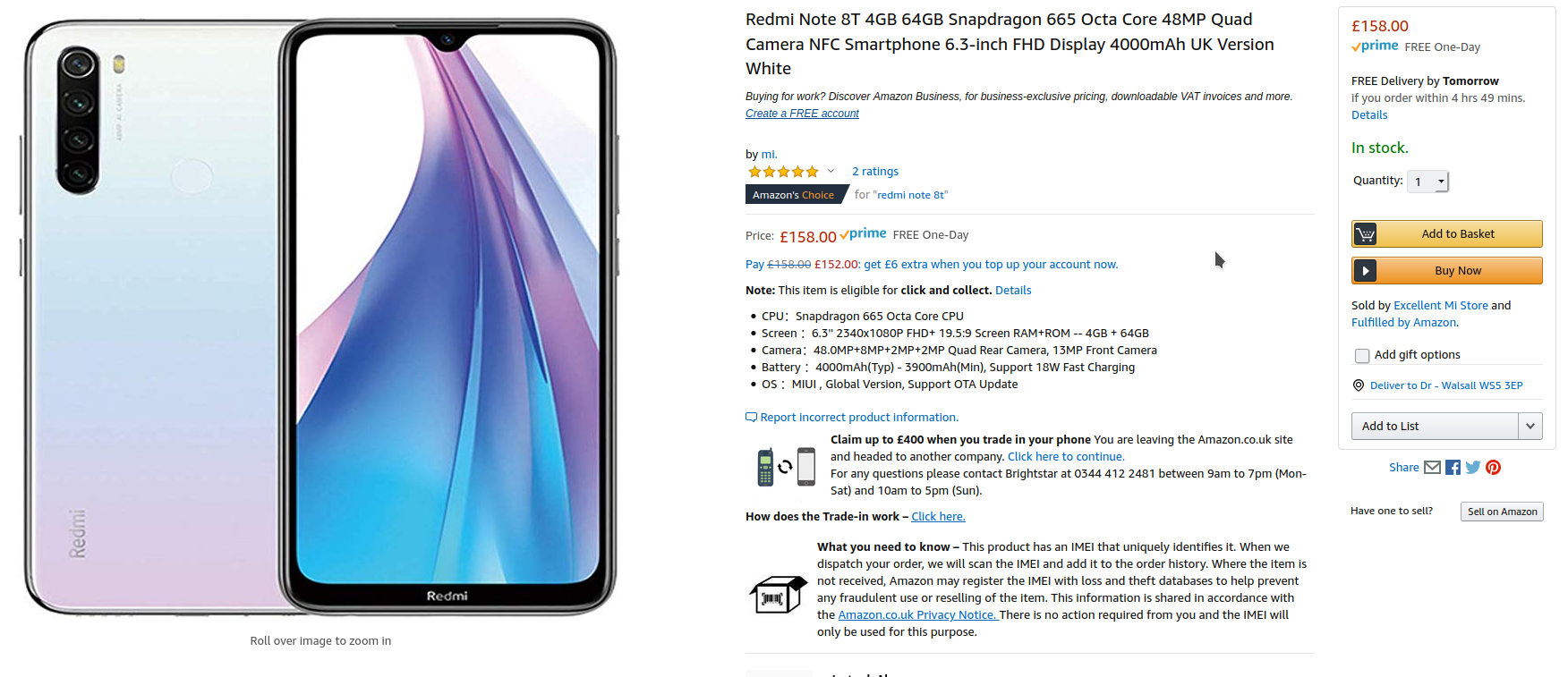
Subsequent research found that this was the T model with the extra RAM and base storage. A standard Note 8 with 3GB/32GB is available for about £140, and a Pro version with a 64MP Camera and 6GB RAM 128/256gb of storage can be had at just around £200 (depending on storage).
I am sorry but this to me is just silly. This amount of computing power at this price? I did a little bit of digging around in the reviews and apparently the 3GB version is a bit under-powered. But that didn’t change anything. I ended up clicking the “Buy Now” button.
But we all know that specs don’t tell the full story. Samsung have for many years had top-of-the-line specs but stuttery performance. LG sometimes bring great innovation, but are largely ignored. Even the Google Pixels have a tendency to slow down over time. iPhones have tended to offer better experiences than their specs may suggest. I’m not even going to go into synthetic benchmarks, they may have a role in comparisons of chipsets (like when I was trying to figure out what kind of performance to expect from the 665) . But in the end real-life performance is what counts.
HARDWARE
The Note 8T is a veritable sight to behold. Yes its the usual glass sandwich, but it feels really well built, lovely to hold. In the white finish that i have, frankly it felt like an iPhone 11 (which is £600 more expensive). It just oozes quality. I’ve asked unsuspecting friends and family how much they think it costs and most reply between £400 and £500.
There is a 6.3 inch FHD IPS LCD display. Its a pretty good display, good viewing angles and colour reproduction. Sometime you get a bit of LCD back-light glare and it wont beat the AMOLED screens out there, but it’s still really good for content consumption via YouTube or Netflix. I’ve been using a curved screen (my OnePlus 7 Pro) and I actually found it refreshing to go back to a flat screen. I think curved screens may start going out of fashion as they can cause distortion at certain viewing angles though no doubt they are more immersive.
The back has one of my favourite features, a rear mounted fingerprint scanner. I love the ergonomics of these and whilst the in-display tech may be cool, it’s just functionally not as good
The bottom has 3.5mm jack, or as Matteo would call it a Courage Port, and a USB-C charging port. There is a down facing speaker which is a bit tinny and lacks base, but is perfectly fine for my uses.
On the side is the dual SIM tray, which can house 2 nano-sims + Micro SD card. This makes it extremely versatile. NFC is also on-board for all your contactless needs.
SOFTWARE
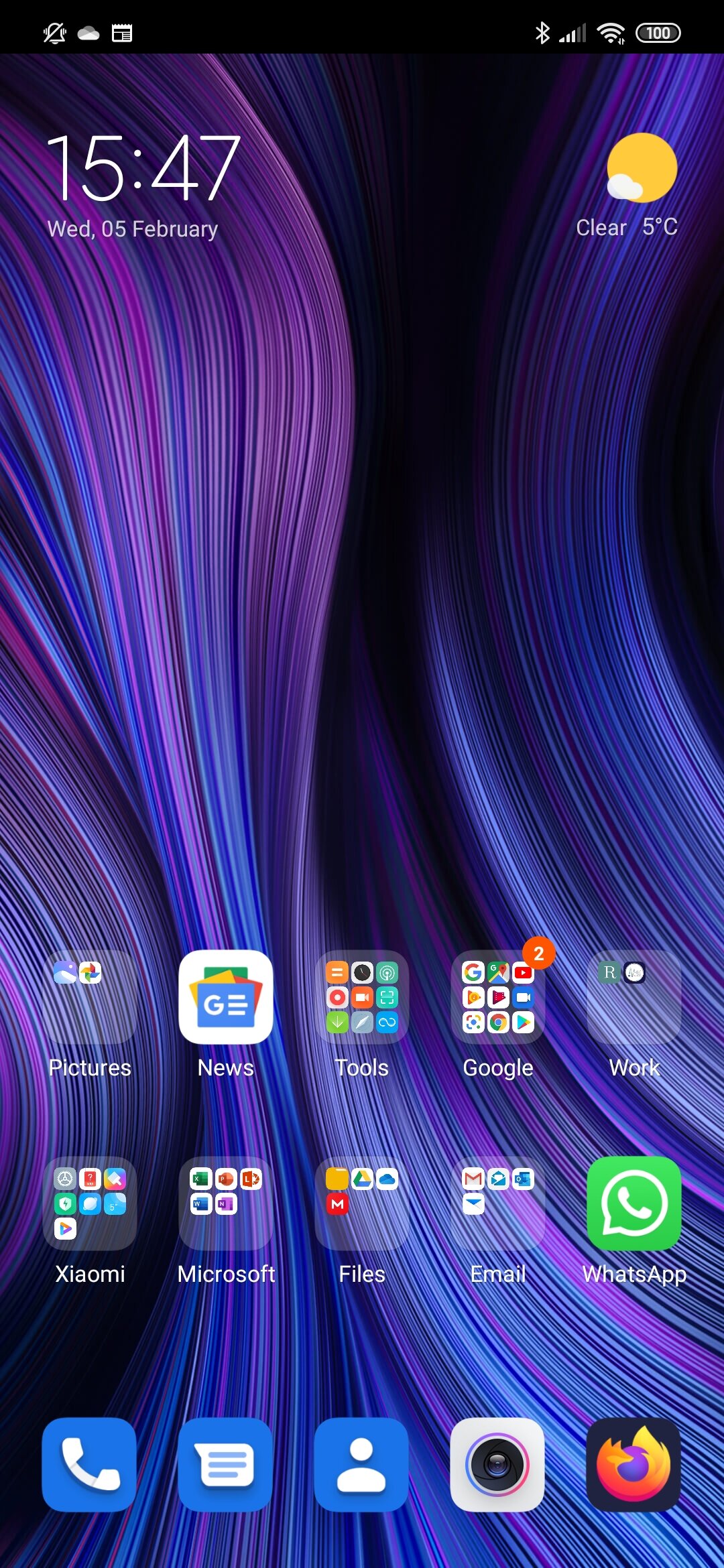
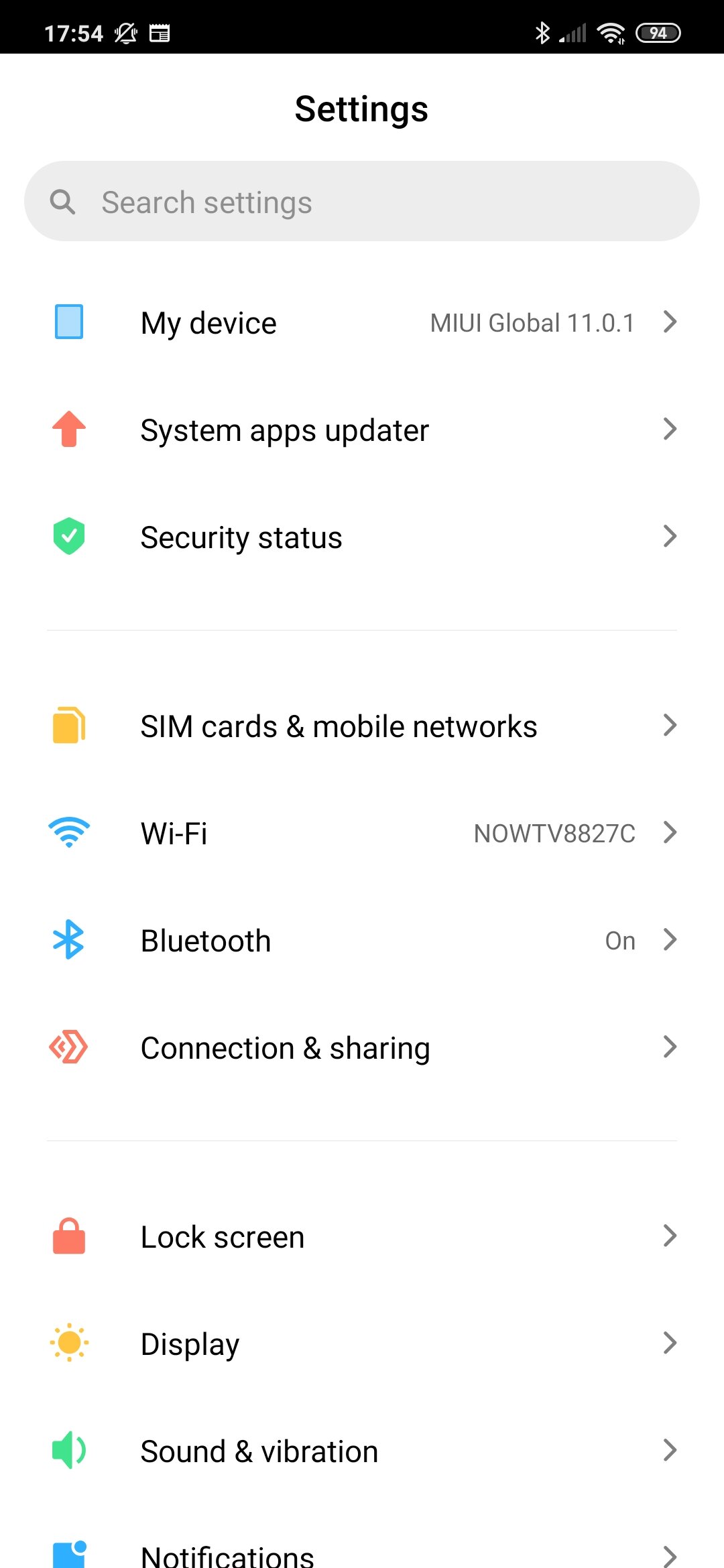
Out of the Box the device runs MIUI 10 on top of Android 9 Pie. However on first boot, the device updates to MIUI 11. MIUI has a reputation for being an iOS clone, and I can see why, no app drawer and similar shortcuts folders, even the colour palette in the settings. But I must say this iteration has definitely got a look and feel of its own and doesnt feel like some rip-off.
I thought this iOS-ness would annoy me. Which it often does. The lack of an app drawer, as found on other Android devices is annoying. Yes, i know I can get a third party launcher. But I’m actually going to stick with it for as long as I can. It works well, incorporates a lot of the gesture navigation from Android 10, Split-Screen is better than “stock” and it is heavily customisable with a dedicated theme store. I am annoyed that there are a lot of pre-installed apps which I can’t hide or disable. Bear in mind my use case though.
This is a device I am using specifically for work. I am not going to have the 300+ apps on it as I do on my OnePlus 7 Pro. Its gonna have some Office, Email, Messaging and specific medical apps. This means even with a bit of folder chicanery, i can have a single homescreen. Lets see how long this lasts. There is a degree of duplication of apps (Mi Browser + Chrome, Mi Cloud + Google Drive) but that’s not unexpected. Whilst i dont expect to be able to uninstall the Mi apps, the fact that the Google services were system apps was surprising as I thought European rules had stopped them doing so.
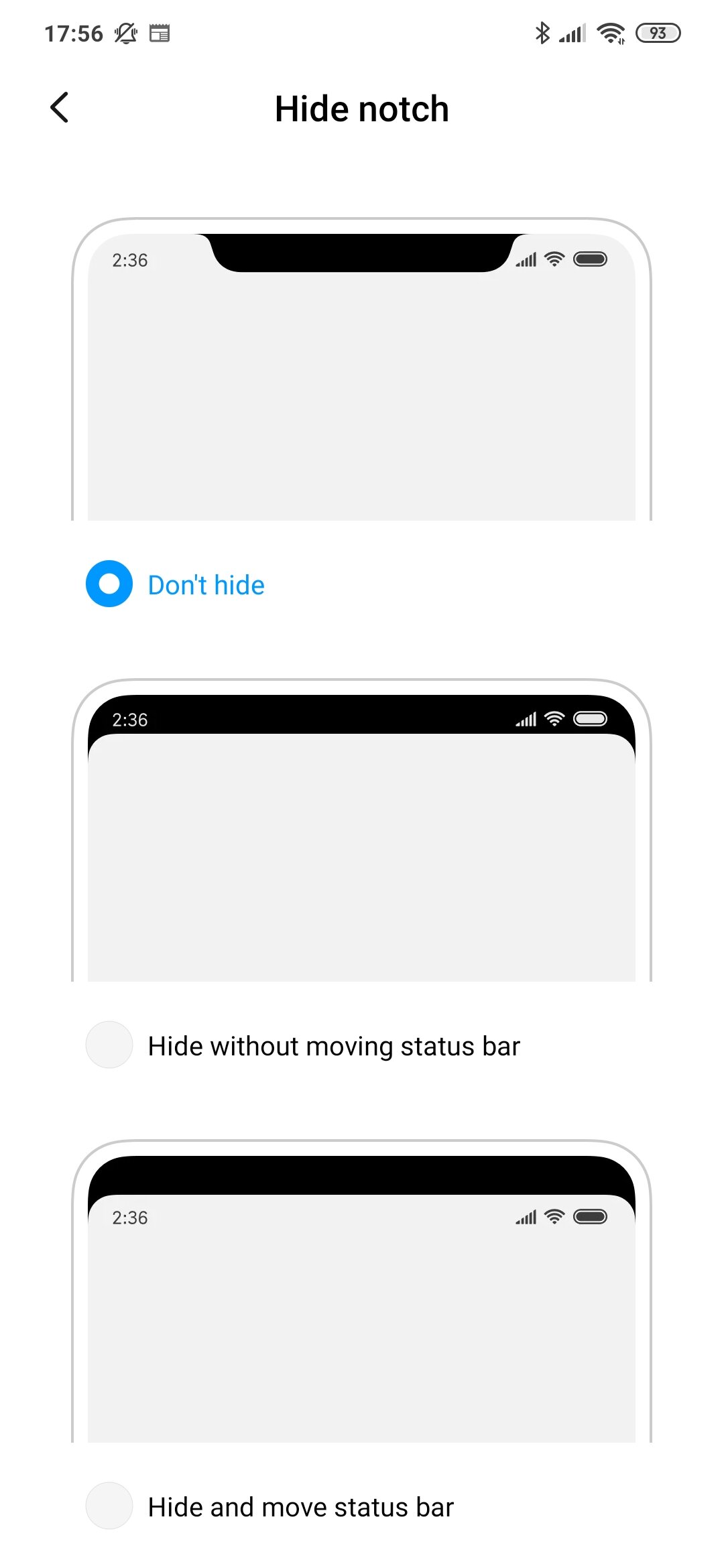
There’s a stack of data management and battery management tools to keep your device running smoothly and as it was “out of the box”. It’s a very granular system and means that you can fully control what each app is doing or can do with your battery and precious data. Stop background data, stop cellular data and more – it’s all there and it’s very easy to understand. You can even decide how the notch looks/behaves!
There is the odd bit of “weirdness”, bluetooth not connecting properly or the Wifi Hotspot being a bit hit-and-miss. Nothing too serious, and it is somethhing that i’ve noticed with XIaomi and MIUI devices before. I’m assuming its software related. Not a deal-breaker though.
PERFORMANCE
I was very happy with the performance. The Snapdragon 665 is verry similar to the 835 of a few years ago. I had no slowdowns, at times there were minute stutters, but I have a feeling this is more to do with miui then anything. The RAM management is aggressive, but since I’m running a relatively small number of apps it wasnt an issue for me. Video playback and Sound quality were good. I think proper AAA gaming might be a bit of a push, but it wouldnt have any problem with most titles.
BATTERY
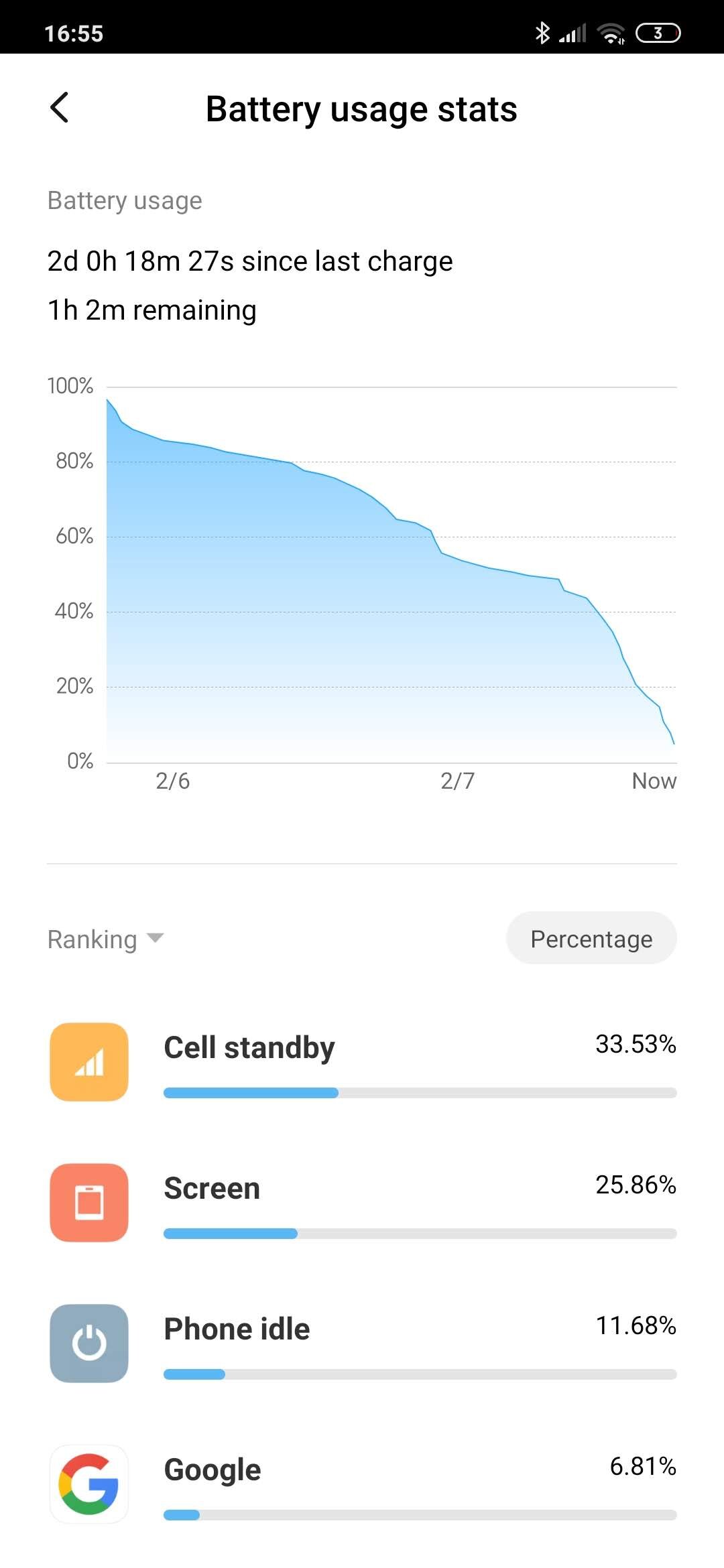
The Note 8T come with 4000mA battery, and with an 18W Fast-charger. There are reviews out there talking of 2 day battery-life. MIUI does have a raft of power-management tools and I actually think this is achievable. Now, I have to qualify this by saying that this is a second device therefore doesn’t get as much use as my primary device. But the fact remains that 24+ hrs after I took it off the charger it still has 55% battery-life left means this is a bloody champ. Very Impressed. It finally died over two days later
CAMERA
The device has an AI enhanced quad camera system, with a 48MP main lens, with an 8MP wide-angle lens, and a 2MP Macro lens, AND another 2MP depth sensor. All of this means its actually a damn good camera. HDR is switched off by default (for some reason) but all the photos come out very reasonable indeed. There is some degradation of quality in low-light situations, and the Night Mode doesnt do much to enhance night shots. But still good nonetheless. The 13MP front sensor is reasonable at selfies too, with a dedicated portrait mode
Anyway, here are some samples
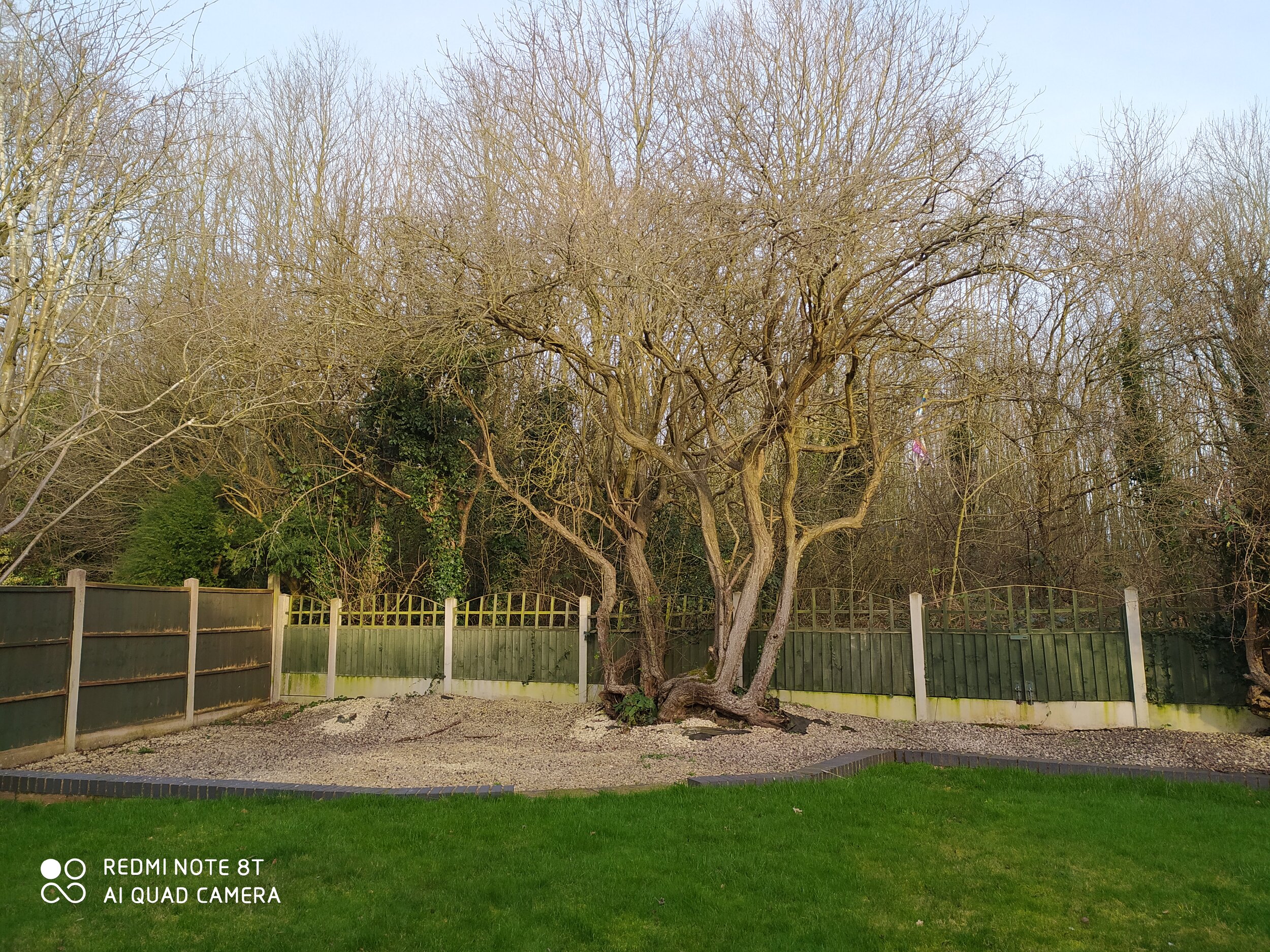
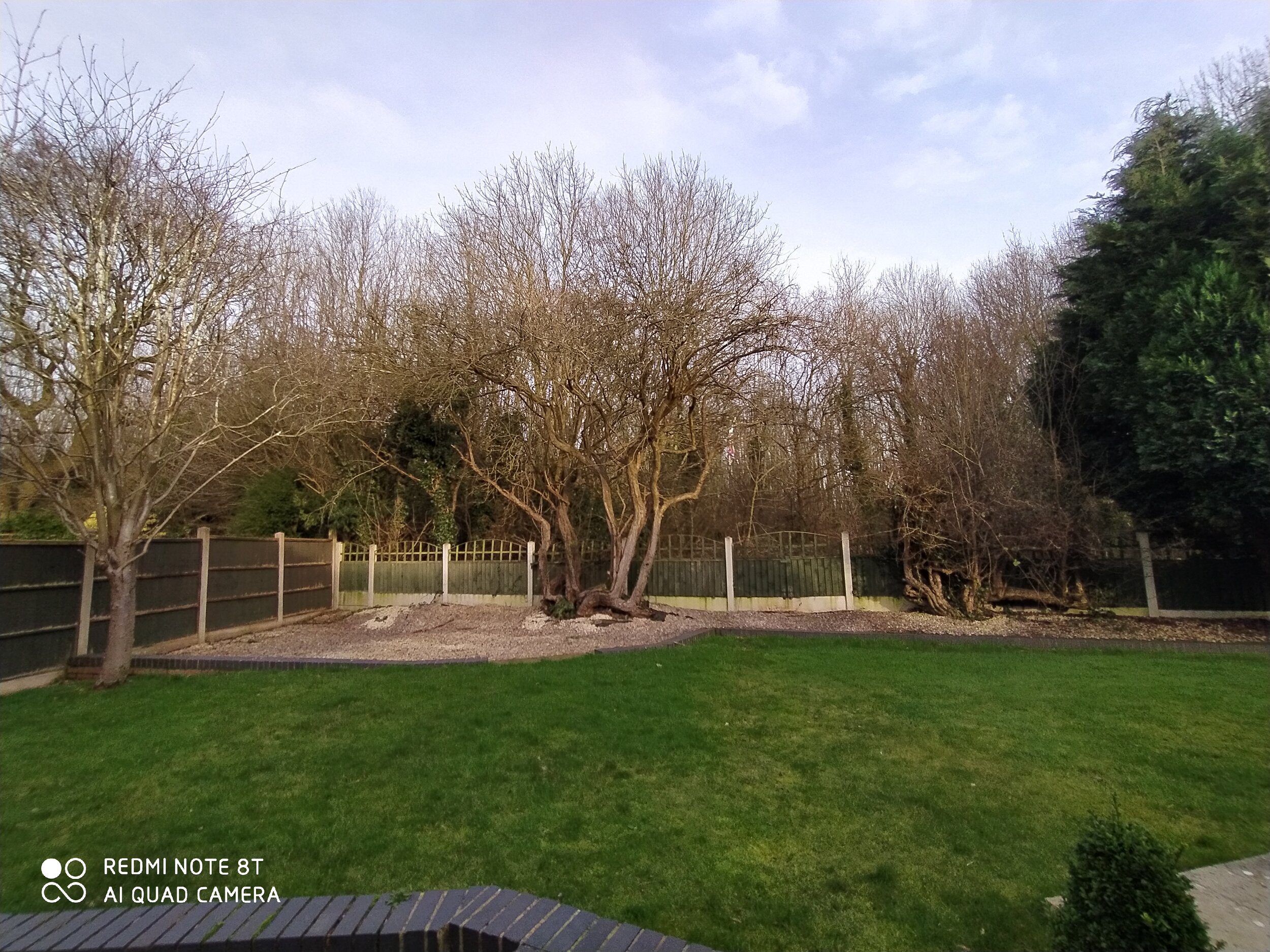
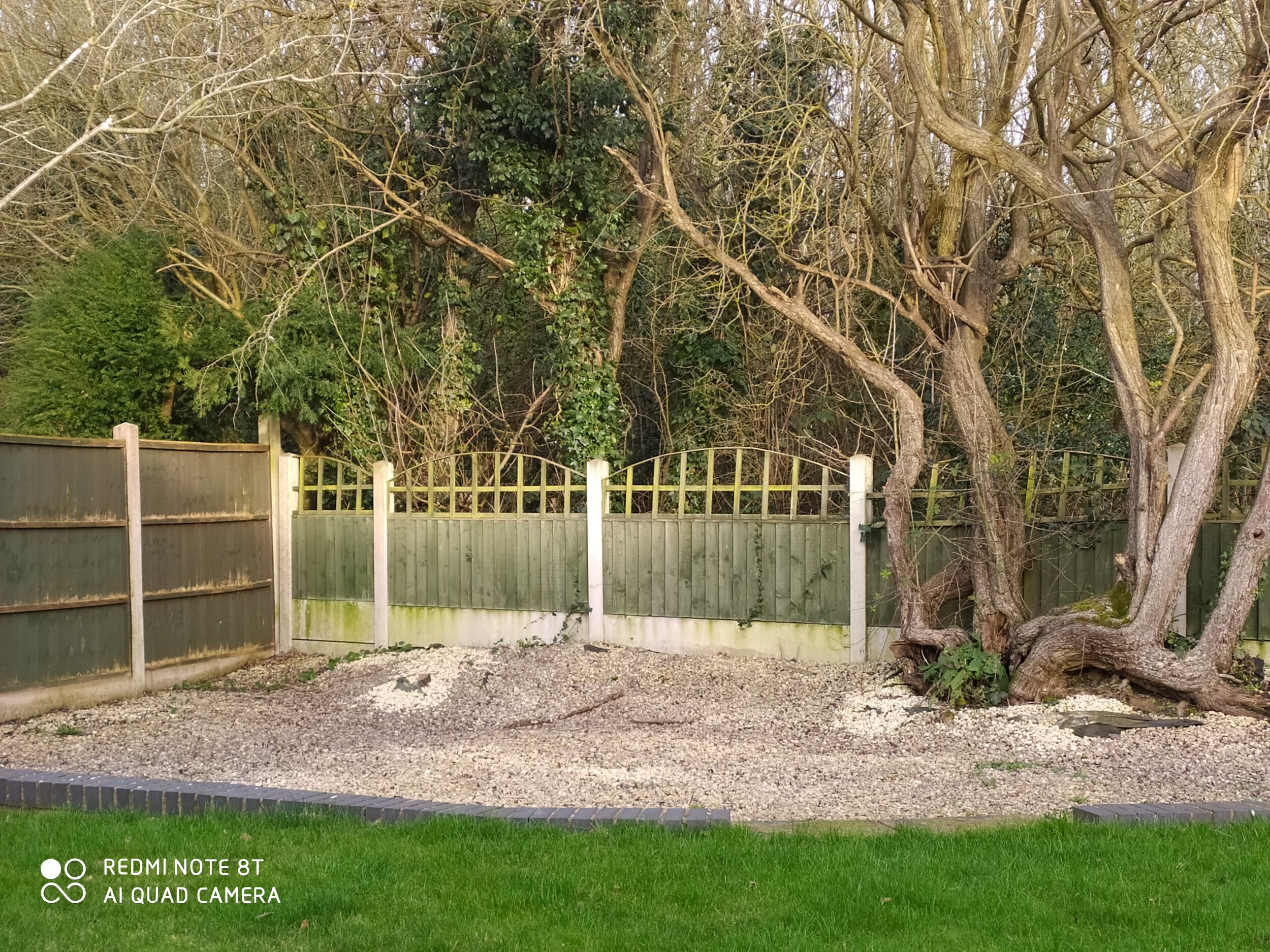


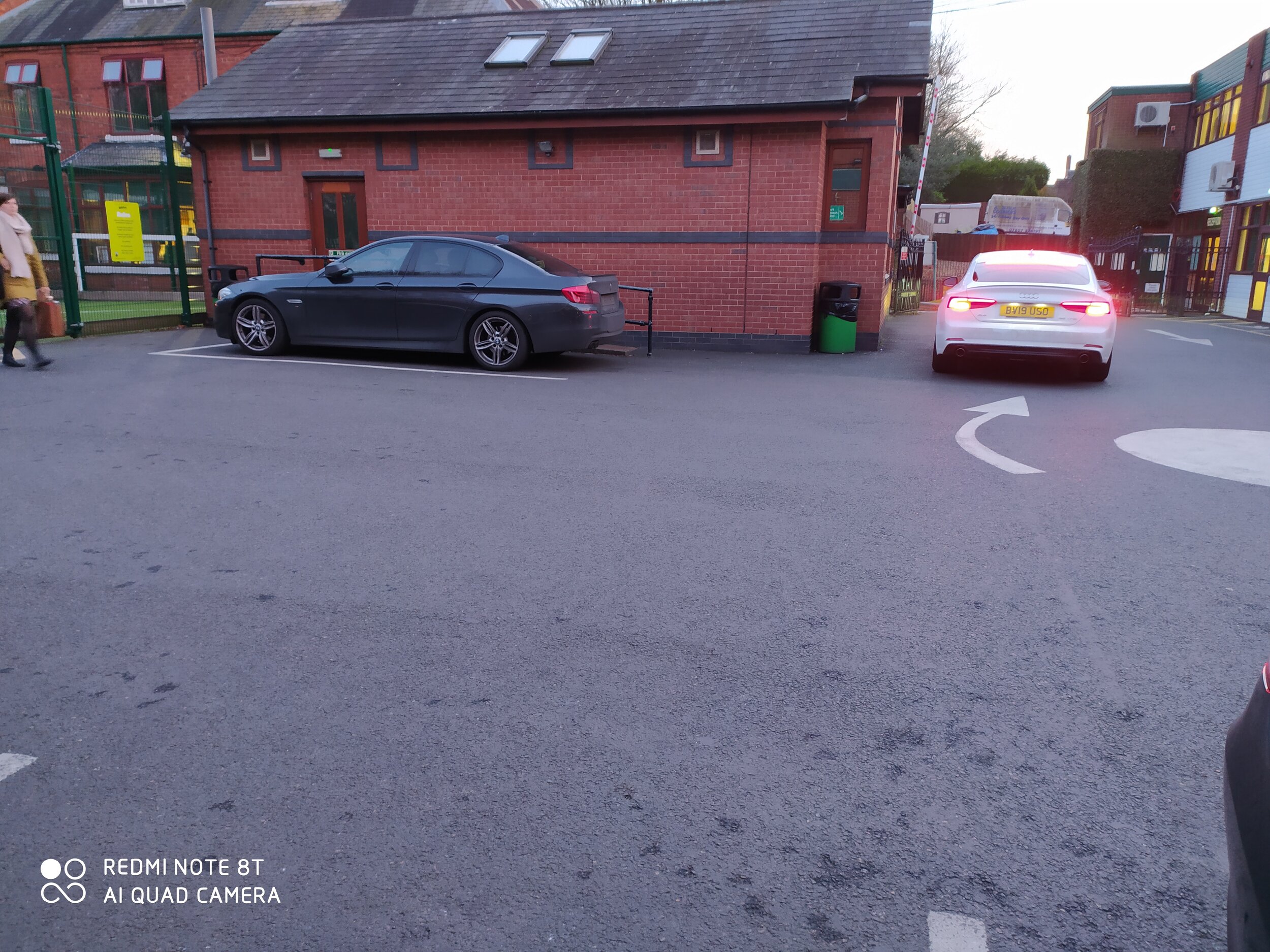
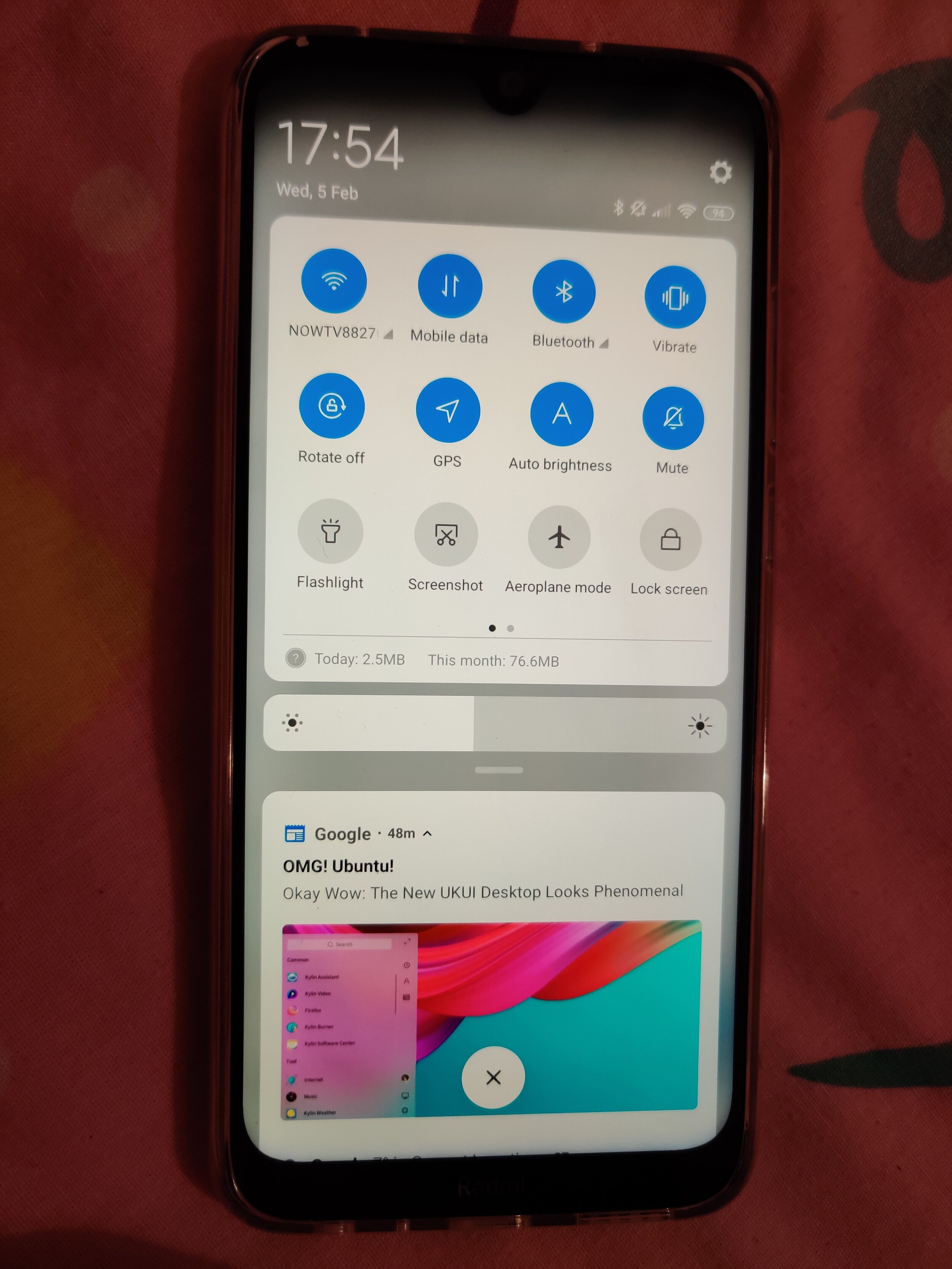
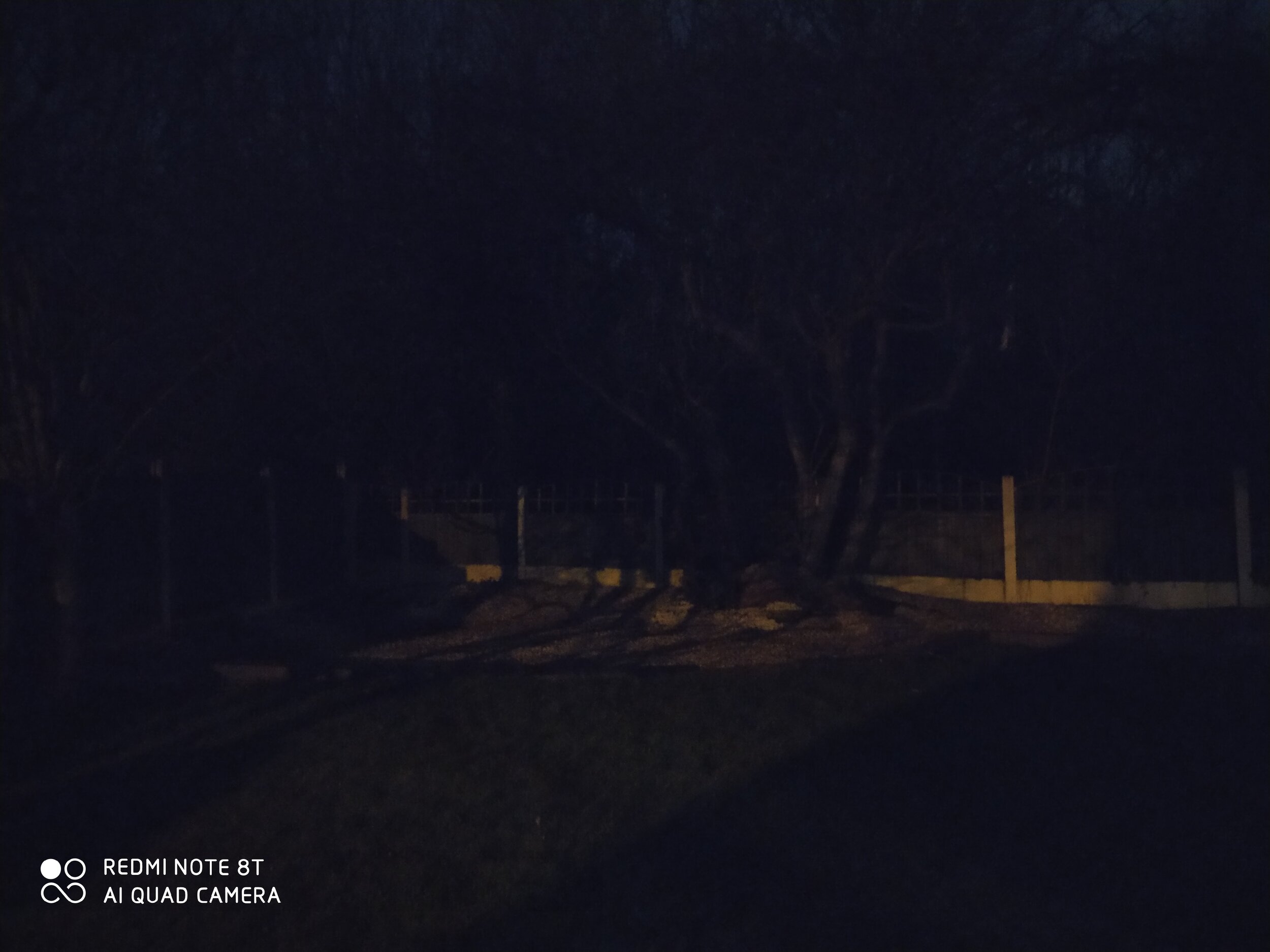

The Video is slightly more nuanced. There is Full HD upto 60fps, whilst eh front facing 13MP sensor maxes out at 1080p@30fps. It seems 4K isnt stabilised, and can be quite choppy. This is also slightly noticeable 1080@60fps, but it wasnt as significant or obvious as the 4k footage. I had a bit of difficulty uploading these, so unfortunately you’ll just have to take my word for it! Maybe we’ll be able to host them on our YouTube Channel https://www.youtube.com/techtravelgeeks
CONCLUSION
You know that thing of “if it sounds too good to be true, it probably is”? Well, this device might prove me wrong. It really has made me think of some preconceptions I had about mobile devices. We have such amazing computer power in our phones, that an unashamedly budget device could legitimately giving an experience up there with the top-end (maybe even flagship) devices. Frankly it could be the daily driver for many people and nobody would even realise the low price.
So in conclusion, I can recommend the device wholeheartedly. Majid says….YES
You can purchase the Xiaomi Redmi Note 8T here: https://amzn.to/38b9LTR

An Optimist's Opinionism about the Huawei News
Matteo, the Chief Mobile Opinionist at Tech Travel Geeks is uncharacteristically positive about what is happening in the mobile industry after Google have had to cut business dealings with Huawei due to the ongoing trade war between the US and China.
OK, by now you’ve already heard the news, even if you are someone who doesn’t normally follow the tech scene: Google has suspended some of its business with Huawei. More specifically, Google has suspended business with Huawei which requires the transfer of hardware, software and technical services except those publicly available via open source licensing.
This news was broken by Reuters on Sunday May 19th 2019, just under two days before Huawei’s brand Honor is due to announce and launch their Honor 20 Series of devices globally. I’m writing this piece of rampant opinionism on an easyJet flight to London to attend that very event and cover it for the Tech Travel Geeks website and the Tech Travel Geeks YouTube Channel.
Many more clever and thoughtful commentators have already explained what has happened quite exhaustively and illustrated potential ramifications. I particularly enjoyed Vlad Savov of The Verge’s take and Andrew Martonik of Android Central’s piece.
Both analyses are quite bleak in their outlook for Huawei. Vlad’s piece has a pull quote which paints a chilling protein rich metaphor: “Deprived of Google’s software, Huawei would be selling featherless chickens”.
Andrew on the other hand has a bit more of a pragmatic statement to make: “It simply isn’t reasonable in 2019 for any company to launch a phone outside of China without Google Services.”
While in the short term I agree with both views, I have a different and uncharacteristically positive outlook in the medium and long term.
Huawei is a Chinese business who have been playing the long game in the tech industry for decades. The company has been consistently investing in research and development and building technical and product know-how along the road while slowly surpassing established players both in the networking and smartphone handset industry.
Having operated in the Chinese smartphone market, Huawei have also built up services and platforms that deliver a Googleless Android experience to tens of millions if not hundreds of millions of customers.
While many commentator’s Western view that Android without Google is close to a crippling experience, in my view this may not actually be the case. I think we are already moving to an OS or platform agnostic consumer market for smartphones. More and more consumers are switching between iOS and Android because the services which are really important to them are very similar. WeChat, Facebook, WhatsApp, Twitter and other popular services are all available on multiple platforms. As long as the services are available, the average consumer will be happy, regardless of what underlying service provider is there. Ben Thompson already described this market dynamic back in 2017 when analysing the fruity brand’s performance in China.
Huawei is currently the second biggest smartphone manufacturer in the world, and if this ban is implemented, I think in the short term their growth will surely be stifled. My long term view on the other hand is, as I mentioned more positive.
Huawei is a recognisable and strong enough brand to be able to power through this within 3 years thanks to some fundamental market dynamics:
1. The majority of smartphone consumer growth in the next three years will be in regions such as South America, South East Asia and Africa.
2. Huawei’s range of smartphone hardware excels on key features consumers REALLY want: battery life, good cameras and reliable overall device hardware.
3. Huawei can produce, sell and support a Googleless smartphpone experience on their devices in those markets and continue to grow and gain overall smartphone global market share (even if other regions are negatively affected by this ban). This is in part thanks to an established and aspirational brand, existing retail and network partnerships.
This won’t be easy, obviously. Once the critical mass of consumers of Huawei devices is out there, the providers of core services consumers use will be lining up to have a presence on the platform. Just think of the lengths Facebook has gone to have a presence in markets like India, even on non-smartphones.
As I mentioned at the beginning, Huawei are in this for the long game. They can weather a few bad seasons and still remain a relevant and successful player in the smartphone market, maybe introducing another significant smartphone platform on the global stage.
Anyway, this potential future unfolding of smartphone market events is just my Six Pence (you are None the Richer) while the Airbus A320 Neo I am on is starting to descend towards St Ansted.
The bigger issue was well summarised by others, and I’m just putting a few extra words on the Internet. Daniel Bader of Mobile Nations put it nicely when referring to some of the fanperson takes on Twitter delighting in the happenings reported.
I completely agree with Dan here.
What few have mentioned is that as part of this “Trade War” between the US and China we have all been focusing on the US’ move and the consequences and outlooks for Huawei and the smartphone industry as a whole.
What will be more interesting for me to see is what the Chinese Government’s next big move is: think what would happen to the smartphone market if all exports of the autumnal Apple iPhone product release were blocked by China. 2019 could be the first year with no new iPhone since 2007. Short term Apple would truly be crippled though they too can play the long game…
Another thought to leave you with: what if the real loser in this exercise in futility is actually Google who could lose their grip on Android, the operating system they created and fostered.
This was Matteo’s rampant opinionism piece concerning Google suspending some of its business with Huawei. You can read more about it from these excellent sources below. I’ll be in London tomorrow to cover the Honor 20 Series launch. Who knows, maybe my uncharacteristic optimism will change. Keep an eye on the Tech Travel Geeks YouTube Channel and TechTravelGeeks.com for more updates.
https://www.theverge.com/2019/5/20/18632266/huawei-android-google-ban-phone-business-future
https://www.androidcentral.com/what-losing-google-means-huawei-smartphone-business

We were on the back of the ferry to Kowloon. It was like a ferry-tail...

The back of the Star Ferry from Hong Kong to Kowloon.
We were on the back of the ferry to Kowloon. It was like a ferry-tail...
I'm not apologising to anyone for this terrible pun. I can hear you all groaning from behind The Great Firewall.

Hong Kong Skyline as seen from Kowloon at night
Our day trip from Shenzhen to Hong Kong and back was a great experience: we went up Victoria Peak and walked around the hill, took the tram back down and then the ferry to Kowloon.

Hong Kong skyline
I had some great fun with the cameras of the Huawei Mate 20 Pro and the one on the Google Pixel 3 XL too: from zoom, to wide-angle selfies and night shots inight sense shots.

We will be going into this in a bit more depth soon, but here are some samples to wet your appetites.

Shenzhen - Dong Men street food market
Matteo and his better half are in Shenzhen, Guangdong and had some amazing steet food in Dong Men.
Yesterday we arrived in Shenzhen, Guangdong, China. Trying to avoid jetlag, after checking in at our hotel, we forced ourselves to go out for something to eat and found our way to Dong Men, a pedestrianised shopping area which is easily accessible on the Metro Line 1.

In this busy shopping area which seems to be full of teeny boppers, I knew of an indoor street food market I visited a few years ago with my colleague and friend Alana. It took a while to find, but we ended up having same amazing food.

We thoroughly recommend this street food market with all its stalls of tasty street food.
Would you like to know more? Engage with us on Twitter @techtravelgeeks.


Doogee S50 Review - Endurance Brick
Our Chief Mobile Opinionist Matteo reviews the Doogee S50. This device can put up with the ruff life…
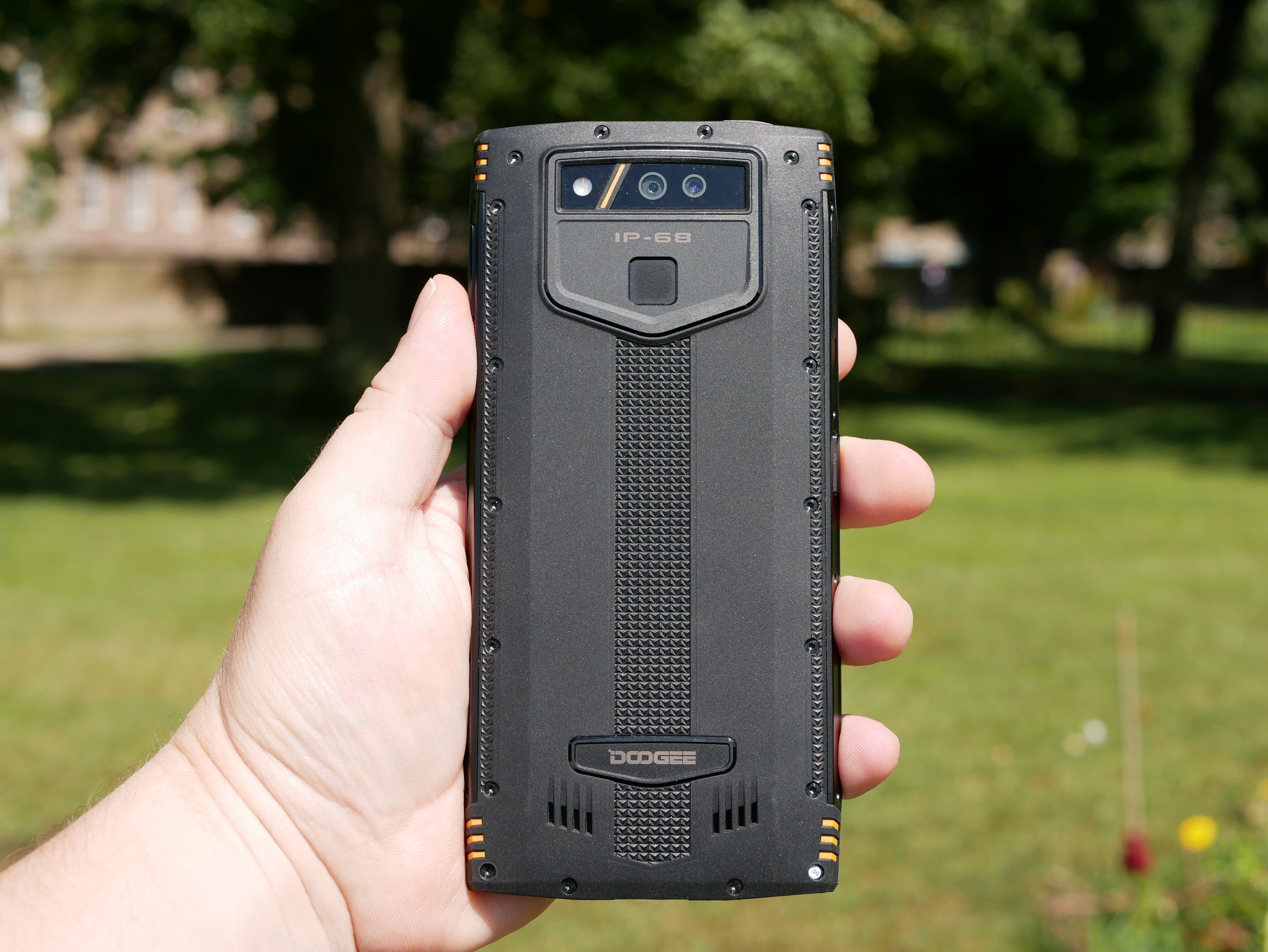
The Doogee S50 is a ruggedised and shockproof Android smartphone with IP68 rating coming to us from, you guessed it, China.
Shenzhen based Doogee are known for delivering value devices and sometimes doing something quite different with their industrial design as we see here: the Doogee S50 looks like a spaceship from the future and feels like it has the heft to be a mass driver projectile. That’s probably due to the ruggedised casing and its 5180 mAh battery. While chunky and not at all slippery, the Doogee S50 is pleasant to hold and use, and pretty much ideal for long Pokemon Go sessions.
When I say the Doogee S50 is ruggedised, it’s probably a bit of an understatement: this metal and TPU brick with a screen not only feels as if it can take a beating, it really can. While Lukasz and I were stranded at Stansted Airport (also known as St Ansted) we had the chance to put the device through a few drop tests and the Doogee S50 came through completely unscathed.
As the floor near St Ansted Gate 30 is filthy, we then went and gave the Doogee S50 a rinse under the tap and a blow dry. When we eventually boarded the plane I had no problems listening to my favourite podcasts on the flight home (in flight mode obviously).
The 5.7” IPS display is clear, has good colour reproduction and is perfectly adequate for an HD+ panel (HD+ 1440x720). As a Chief Pixel Density Enthusiast, this device gets my approval with its 282 pixels per inch (ppi) pixel density.


The Doogee S50 is powered by a Mediatek Helio P23 chipset (built on a 16nm process), 6GB RAM and 128GB storage. Android 7.1 runs the show and while not the latest version of Android performs very smoothly as there seem to be very few customisations from AOSP. The default launcher is simple and functional, and there is nothing to stop you installing Action Launcher or your launcher of choice.
Dual SIM or single SIM with MicroSD storage are enabled options thanks to the internal gubbins and the well protected card tray.
When it comes to cameras, Doogee didn’t hold back on the S50: there are 4 sensors on the device. On the back you will find 16MP and 13MP sensors with f/2.0 aperture. These work in tandem for portrait/blur mode and perform pretty decently. There is also a single LED flash in case you need it.


On the front there is a 16MP sensor and an 8MP one. In this case one is for standard selfies (beutified by default obviously) while the other is for group selfies as it sits behind a wide angle lense. Nothing says “I’m a rugged outdoorsy type” as much as taking a selfie
The fingerprint scanner on the back is fast and works well. I like the ergonomic positioning and have had no problems using it. In case you are wearing gloves while using the Doogee S50 you can also use face unlock. The face unlock isn’t as fast as the Honor 10 or the Huawei P20 Pro, but is still perfectly usable and very convenient.
Not having NFC may be an issue for those wanting to use the device for payments or public transit.
The 5180 mAh battery can also be used to charge other devices. You’ll need a micro USB to USB A female adaptor to do that, and remember to make sure it is a slimline one as the casing may impede you from plugging in.
The courage port, also known as the 3.5mm audio jack has a similar issue: because of the depth of the casing and the width of the aperture you will only be able to use audio devices or accessories with slim 3.5mm audio connectors. wider ones will simply not slot in.
A combination of the Mediatek Helio P23 chipset, the HD+ (1440x720) rather than FHD+ (2160x1080) screen, and 5180 mAh make the Doogee S50 an endurance champion. I’ve noticed that recently it has become my device of choice for Pokémon Go walks, because of the amazing battery performance.
To sum things up the Doogee S50 is a great device for travellers who may be exposed to the elements a little more than others. Not only that, it can take a bit of a beating as we have seen. The good overall performance, the excellent battery life and clear screen are a clear plus for the Doogee S50. The only downsides I can see are the lack of NFC, which for some people may be a deal breaker, and very slow battery charging that I have noticed. For less than £200 or $250 you get a lot of smartphone. The ruggedness may avoid you some headaches if you tend to smash phones.
From tech travel geeks this is a recommended buy, in particular if you are going to be using your smartphone outdoors or play Pokemon Go a lot.
You can purchase the Doogee s50 at the following AliExpress Store: http://s.click.aliexpress.com/e/bBQSEFiC

This Week in Mobile - Meizu 15 in China
This Week In Mobile is a bit late this week because Matteo has been in China at the Meizu 15 launch event. Lukasz has managed to show us what is in his bag too…
Welcome to This Week in Mobile (TWiM), Tech Travel Geeks' weekly column covering what has happened in the world of mobile. If we haven't covered it on Tech Travel Geeks we'll link to the best content on the web.
A rainy Wuzhen, Zhejiang, China. Shot on Meizu 15 #ShotOnMeizu15 #Meizu15
This Week in Mobile is a bit late this week (again) because I was travelling in China while Lukasz is still on his epic journey around the world with a very densely packed bag.
Motorola G Series Launch in Brazil
Motorola, also known as Lenovorola, have refreshed their popular G Series of Android powered devices, announcing the Moto G 6 Play, the Moto G6 and Moto G6 Plus. I haven't had enough time to look at these devices in depth or follow the launch closely, but luckily our friends at Android Central have and did a great breakdown of the announcement and launch over on their site. Below you can find Daniel Bader's excellent explanation on video too.
Meizu 15 Announcement in Wuzhen, China
The Meizu 15 Launch stage, as shot on a Meizu 15...
As Chief Pixel Density Enthusiast at Coolsmartphone, I was a guest of Chinese technology company Meizu for their Meizu 15 launch event in Wuzhen, Zhejiang, China. You can catch all coverage of the event and the products on Coolsmartphone.com.


The Meizu 15 series, which is comprised of the Meizu 15, Meizu 15 Plus and Meizu M15 is a delightful range of devices. Hardware is well built, has excellent specifications and good ergonomics. Meizu's new version of their Android-based operating system, Flyme 7, has been refined and improved. Overall the Meizu 15 is a pleasure to use and I'm enjoying using it as one of my main devices.


China is on the path to being the first cashless society from what I can see, and AliPay and WeChat are the most used forms of payment. The occasional outlet also accepts UnionPay, but Mastercard and Visa as accepted forms of payment are a rarity in my most recent experience. We had to try hard, but finally found a place for dinner which accepted MasterCard (my Monzo card) in Shanghai. We set to order a quick meal before heading to the airport. Thanks to a misunderstanding using Google Translate we even managed to over-order dim sum, but it was definitely worth it.
We also managed to catch a Maglev train from Shanghai to the airport. I would definitely recommend doing it if you happen to be heading from Shanghai to Pu Dong Airport (PVG).
What's in Lukasz's bag?
Lukasz has finally published his "What's In My Bag" for his round the world trip he is currently on. As expected there is plenty of tech. He is a Tech Travel Geek after all... We look forward to getting more updates from him #soon.
That's all for... last week. I'll try and get back into the weekly TWiM rhythm from Sunday onwards. Safe travels everyone!