

Samsung Galaxy Tab A + S-Pen - A Hidden Gem?
Android Tablets seem to be dead in the west. Even the most ardent androidians seem to have an iPad. Apple is constantly pushing its iPad lineup as a “laptop replacement”. But that still hasnt stop stagnantion of sales. They are slowly creeping into the enterprise sector, but this is often in addition to a “company” laptop. So not really a replacement then.
A lot of us tech nerds are often looking out for the “perfect” device. Whether it is a phone, tablet, laptop, pc etc etc. My own journey for the perfect laptop and the best value work laptop have been discussed here in detail.
I am one of those guys that really likes stylus input. Its why I have had a couple of Galaxy Notes and a Lenovo Miix convertible devices (basically a Microsoft Surface clone). I find these very useful for my work. (This was before my Redmi Note 8T)
Now I would love to have an Android Tablet with that kind of functionality. Android tablets have generally dwindled in the West and apart from a few Samsung and Huawei devices, and are predominantly for content consumption. The Amazon Fire Tablets are another good example. The Windows tablet/convertibles are very good for productively, but suffer from the limitations of Windows 10 in tablet-only form
However, in other markets, especially in India and SE Asia, Android Tablets are still doing well. These are price sensitive markets, and often these may be the main computing platform for many. A quick look around Google and eBay shows that there are many other tablets out there that arent easily available in the UK. My cousins in India and the Middle East seem to have a much wider range with different funcitonality. One such relative told me of a Samsung Galaxy Tab A which included an S-Pen. This was available in both 8in and 9.7in form factors. That too at good prices.

After the theft of my Note 9 (have i mentioned that before?) I thought “why not?” I think I might have uncovered a hidden gem that works great for productivity and as an on-the-go content consumption device.
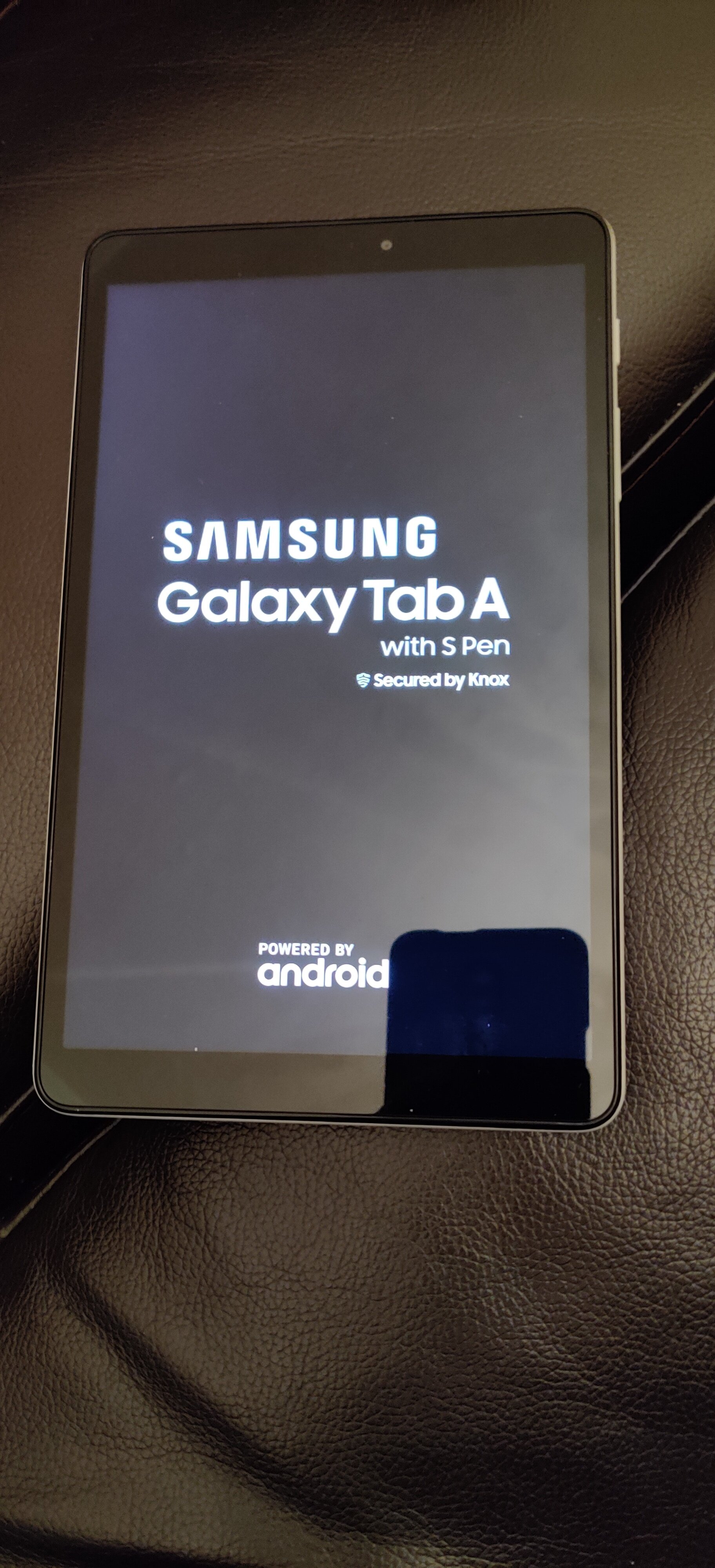
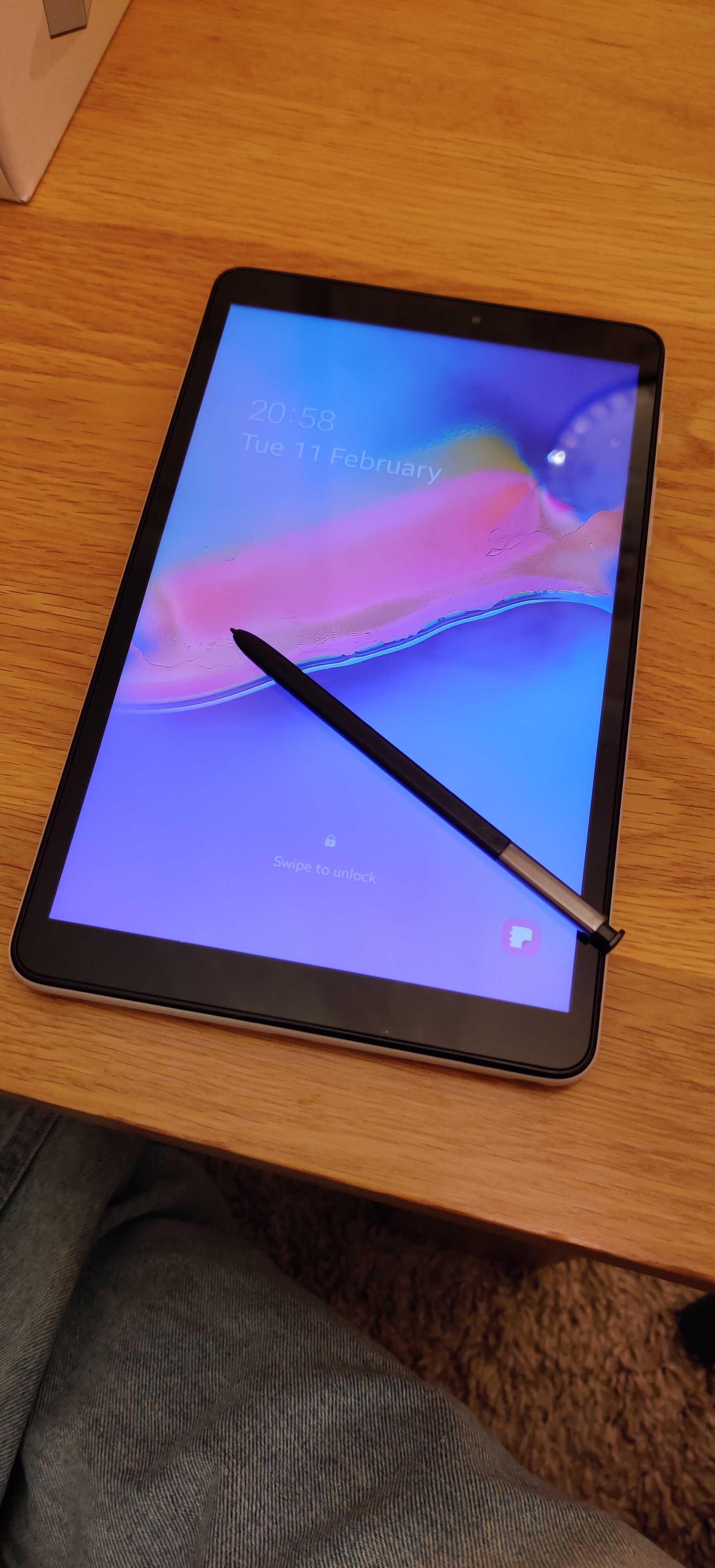
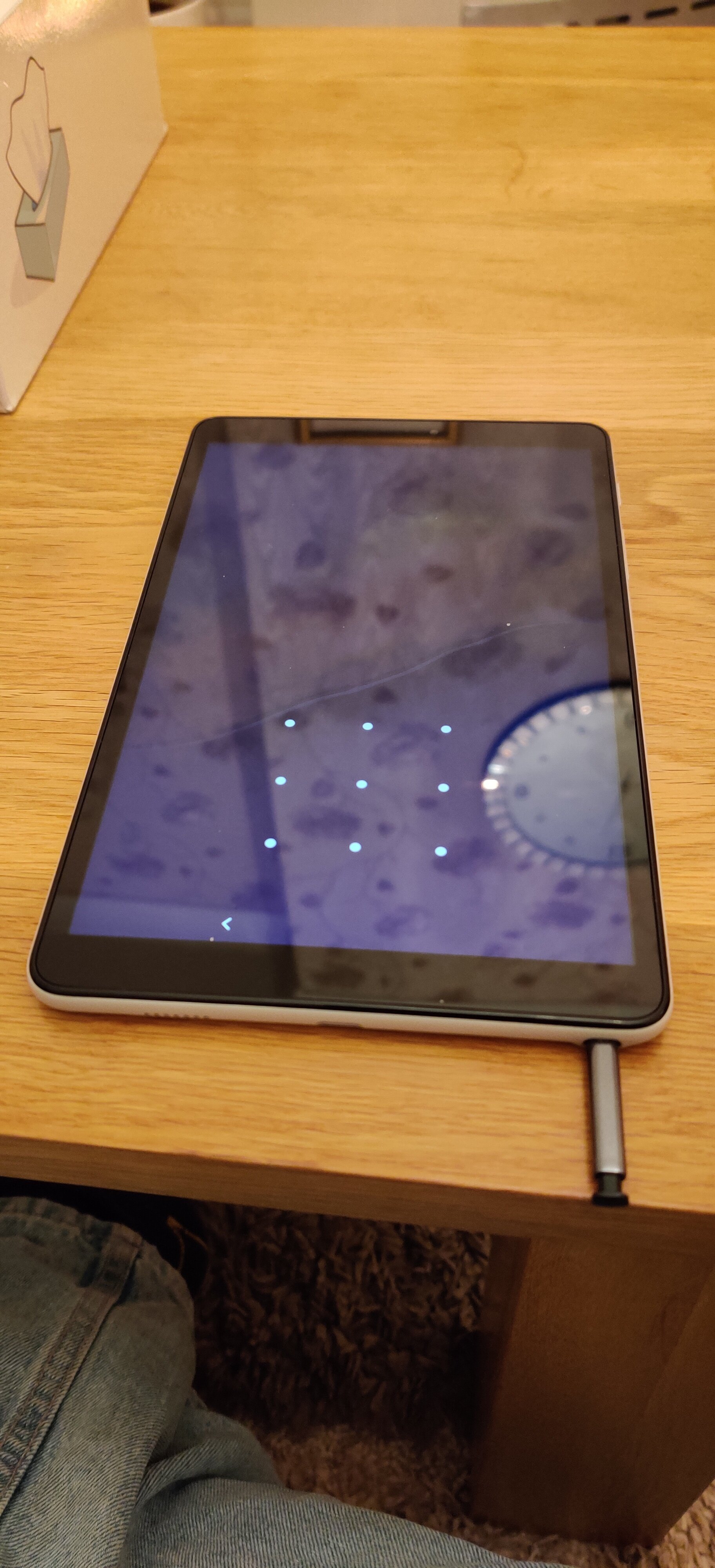
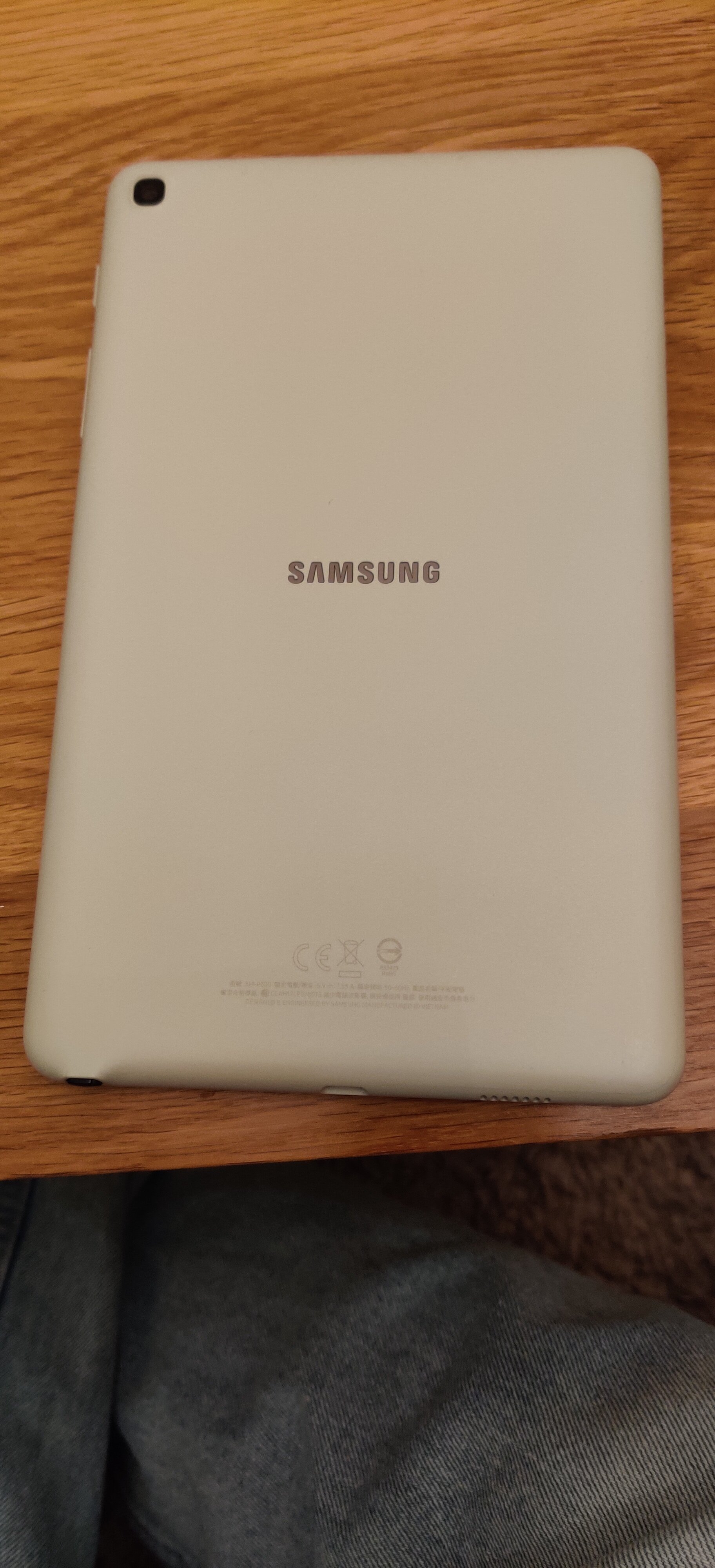
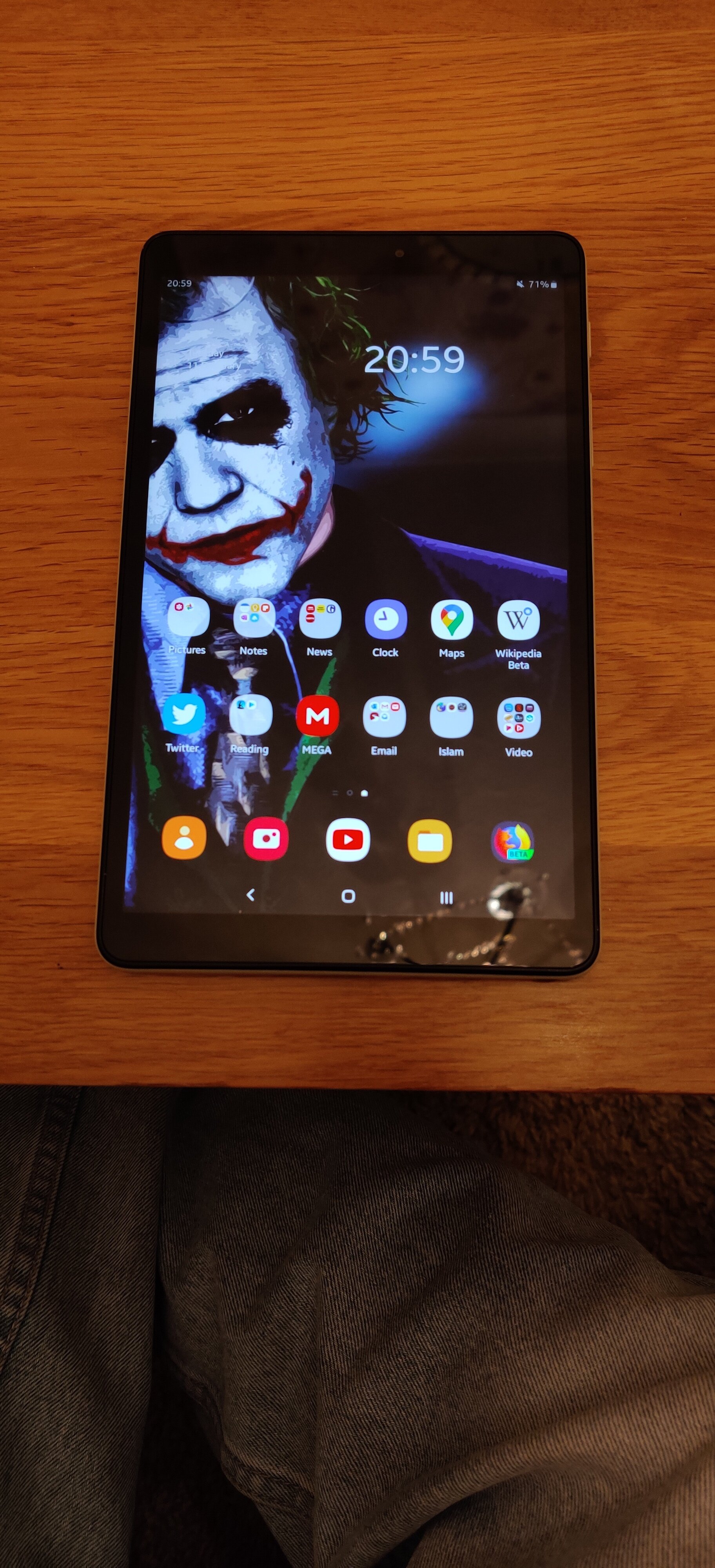
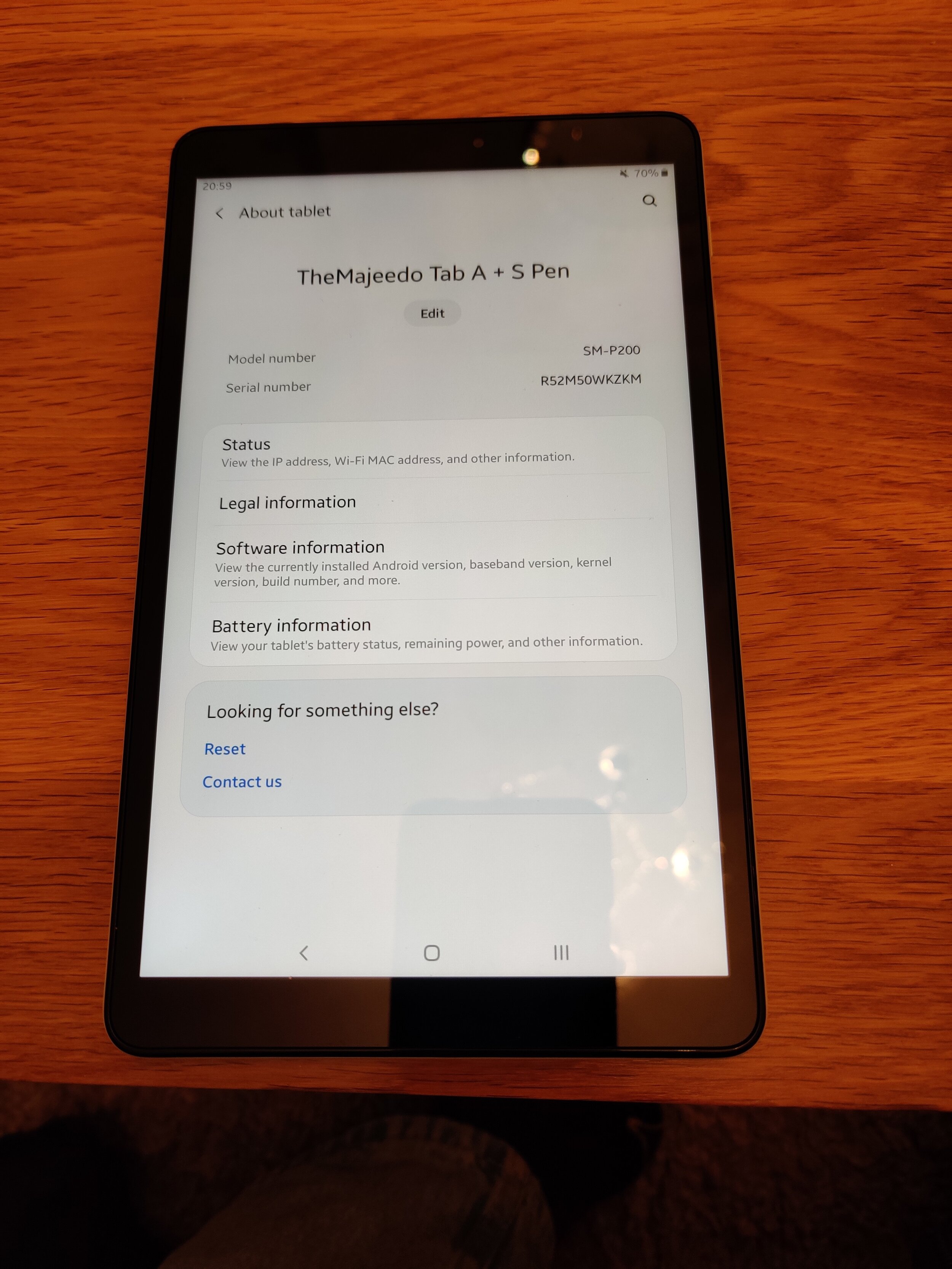
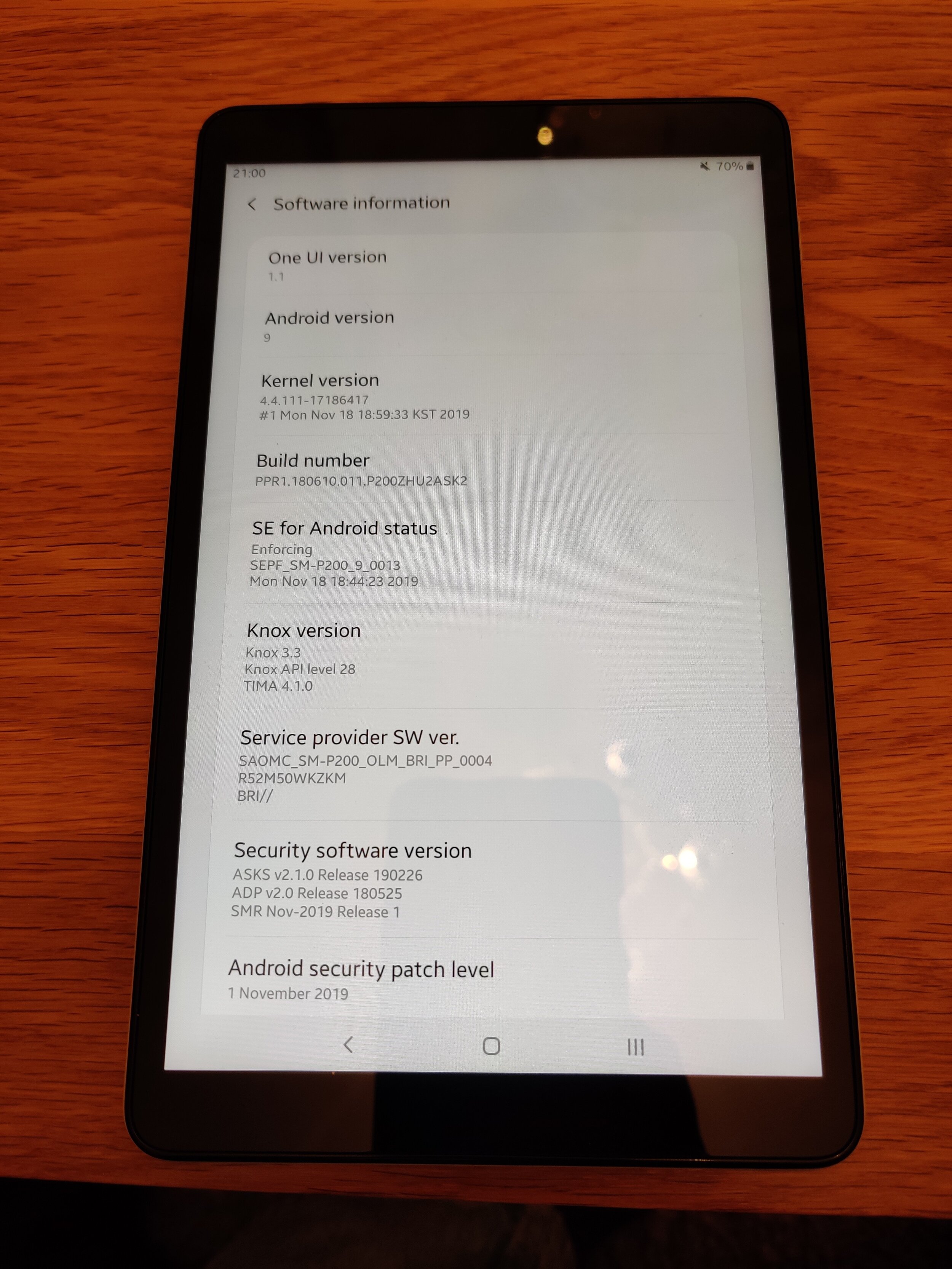
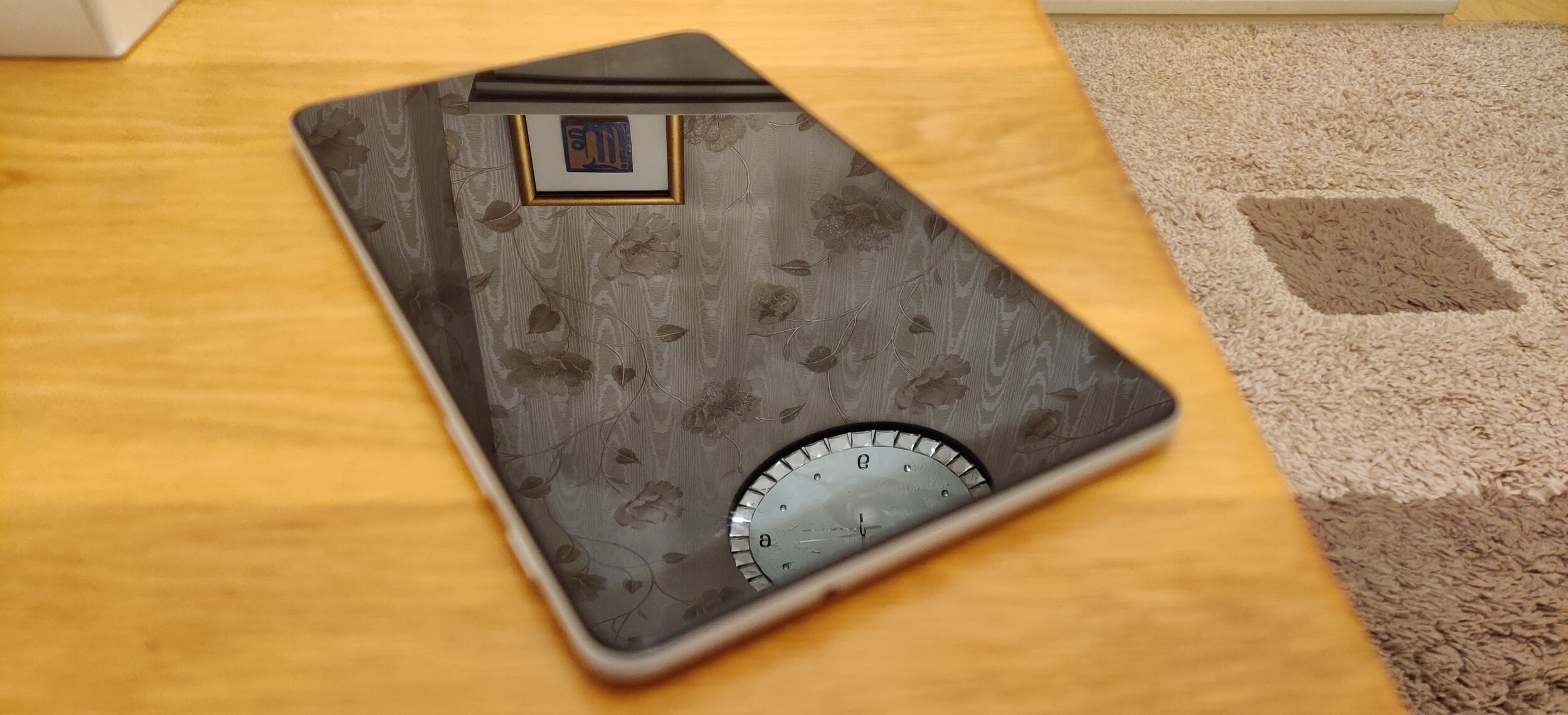
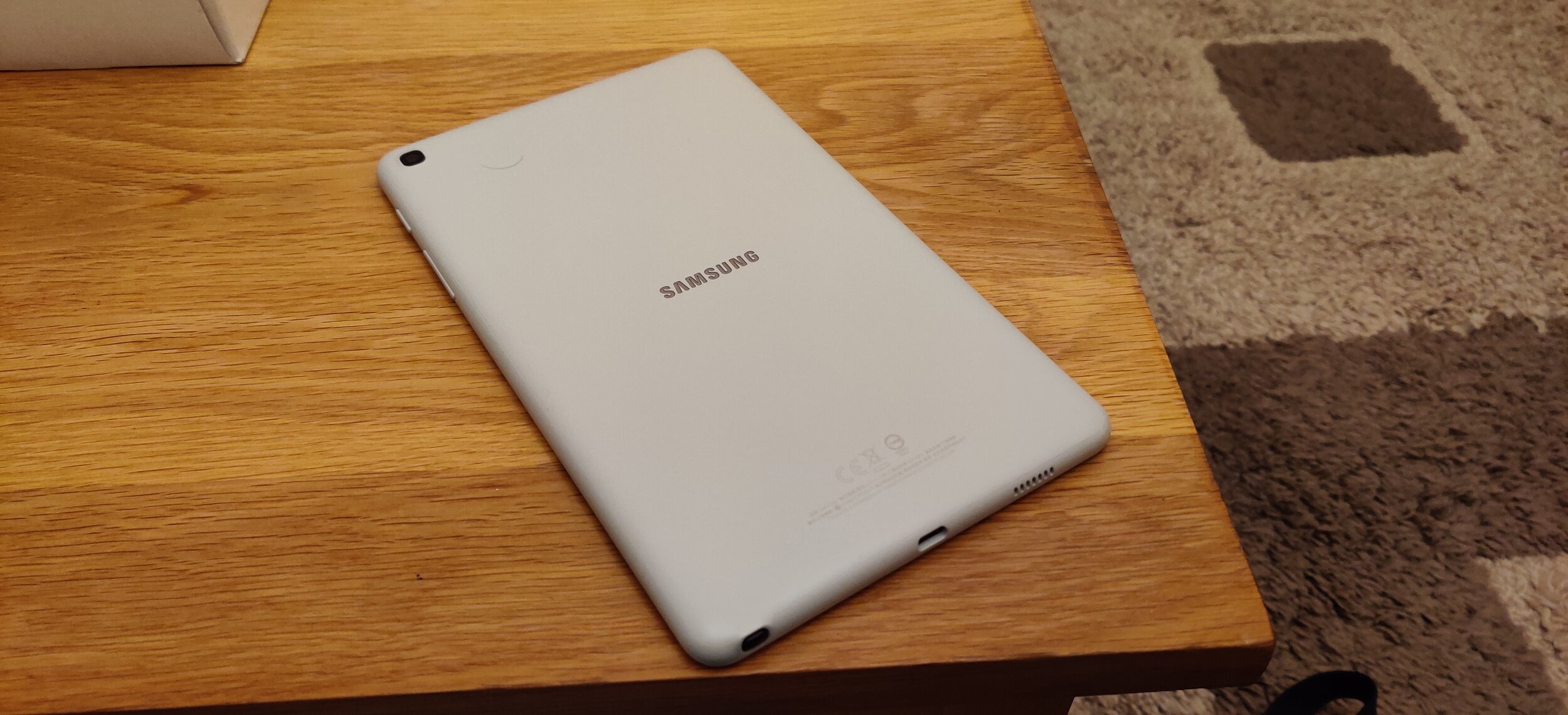
So ordered the device, and it came pretty speedily from overseas. I went for the 8in model (as I already had a Samsung Galaxy Tab S2 9.7in somewhere). On unboxing, its clearly made with polycarbonate materials, there isnt evena suggestion of premium here. But thats ok, at the price point, its perfectly reasonable, and if you want to subject to constant on-the-go use, well then plastic is going to be more durable then metal slabs or glass sandwiches.
The aesthetics of the device kind of what the love-child of a Nexus 7 and iPad Mini would be. Its tall with a 16.10 ratio, which makes it like a big phone. But then in landscape its a widescreen 1080p resolution. A good choice i thought.
A full spec sheet is below.
Exynos 7885 Octa Core
Android 9 + One UI
Internal Storage 32GB + MicroSD
RAM 3GB
S-Pen (non-Bluetooth)
DIsplay LCD TFT 1920x1200
USB - C Chanrging
3.5mm (Courage) Headphone jack
Mono downward speaker
8MP rear camere/5MP selfie camera
Non-removable 4200mA battery.
So the specs arent going to set the world alight….but then this doesnt need to.
A wise man allegedly said that “the right tool, is the tool that gets the job done”.
I go.to a lot conferences and courses as part of my work. I also am doing some theology classes (another one of my non-medical interests). My Lenovo Miiix seemed to be “ok” ant handling stylus input and making notes/taking pictures of slides etc. But it was heavy, slow, kept having wifi issues. No deal-breakers, but just sub-optimal.
But when I had bought my Note 9 (did i mention it was stolen?), it was like a revelation. Samsung have really optimised Android for a more productive (if bloated) experience. It was just so much easier and convenient. If only the screen was bigger and i still had all those features.
Thats were this Tab A + S Pen comes in. Its form factor, durability and price means I can throw it in my bag without worry. It has good battery life, the stylus input is great especially using OneNote or the Samsung Notes apps. I have the full library of Android apps to choose from and if i want on a train its easy to watch something on Netflix etc.
If i want to type something out, it has still small enough to type on for a device of this size without the need of a separate keyboard.
The cameras arent great, but then the only thing id use it for is to scan documents. The sound is also a bit meh، but the headphone jack helps.
“But its just a big phone!” I hear you cry (or was that the neighbours?)
Well if you havent noticed, phones are getting bigger and bigger. A decade ago the HTC HD2 was 4.3in. The OG Note was a massive 5.3in. The latest S20 Ultra has a 6.8in display. The Note 10 has a 6.7in display. Both of these are much much much more expensive.
For my needs, this form factor, small tablet/phablet/big phone, whatever you want to call it works for me.
Im just disappointed that you have to go so much out of your way to get a device like this.
The Doctor recommends

Redmi Note 8T Review - The Actual Review
Majid actually gets round to reviewing the Redmi Note 8T after his long introduction.
Ok, with all that preamble and context out of the way, why did I choose the Xiaomi Redmi Note 8T? At TechTravelGeeks.com we are no stranger to Xiaomi, the Chinese smartphone and consumer electronics brand. You can check out our videos of the Xiaomi Mi 9T on the Tech Travel Geeks YouTube Channel.
Frankly, the decision all came down to the price and the device’s value proposition. As stated in the my introduction, I needed something inexpensive, but also with reasonable grunt and a promise of some updates. Put these 3 ingredients together into your mixing bowl and Xiaomi is one of the first brands that comes to mind (Honourable mentions to Huawei/Honor & Moto G in this segment).
So, having been burnt recently by eBay (did I mention something about a stolen Note 9…) and because I have the benefits of Amazon Prime, i headed to Amazon.
What I saw on Jeff’s site was astonishing: a phone with a quad camera, waterdrop FHD+ display, 4GB RAM, 64GB storage (plus Microsd expansion), dual SIM, Snapdragon 665 (which is roughly on par with the 835 or the 710) for close to £150 ($200). Dubious? Check it out on Amazon here: https://amzn.to/38b9LTR
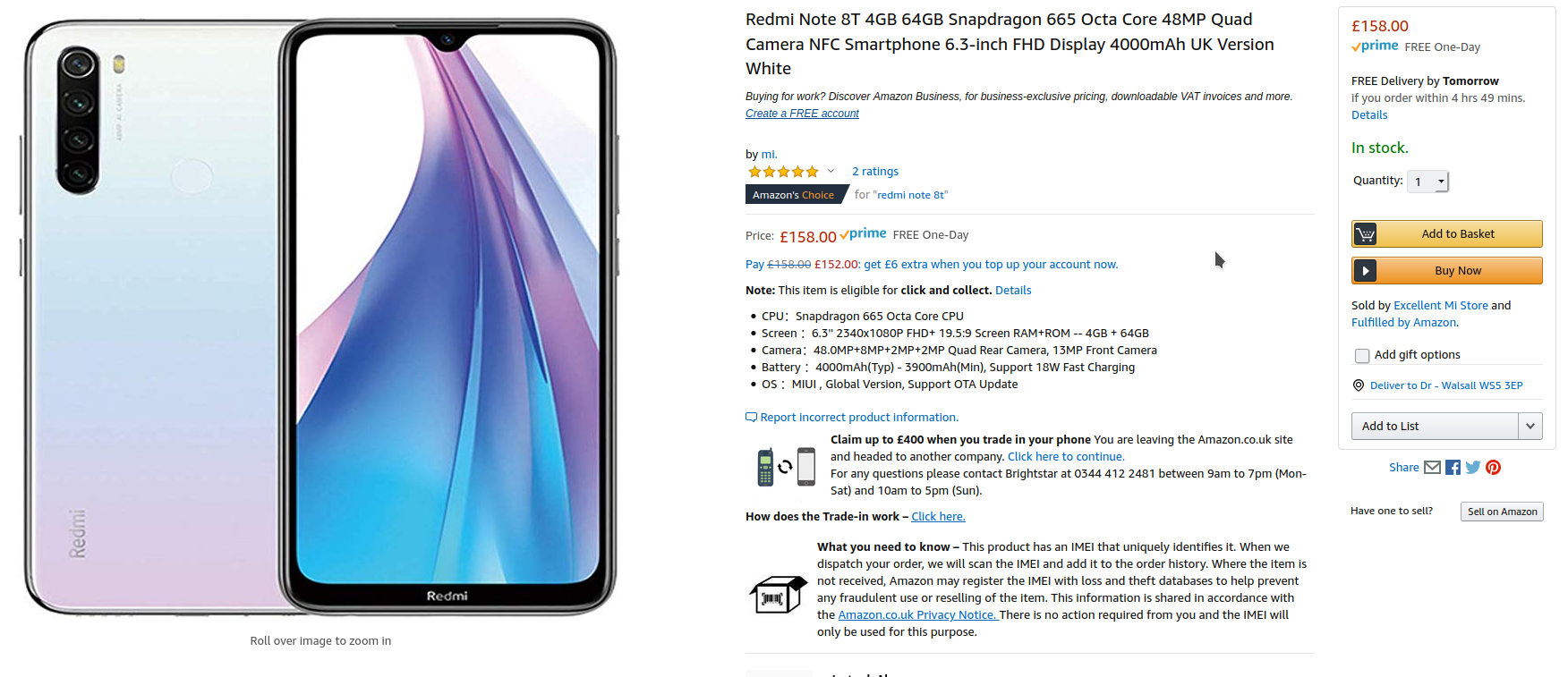
Subsequent research found that this was the T model with the extra RAM and base storage. A standard Note 8 with 3GB/32GB is available for about £140, and a Pro version with a 64MP Camera and 6GB RAM 128/256gb of storage can be had at just around £200 (depending on storage).
I am sorry but this to me is just silly. This amount of computing power at this price? I did a little bit of digging around in the reviews and apparently the 3GB version is a bit under-powered. But that didn’t change anything. I ended up clicking the “Buy Now” button.
But we all know that specs don’t tell the full story. Samsung have for many years had top-of-the-line specs but stuttery performance. LG sometimes bring great innovation, but are largely ignored. Even the Google Pixels have a tendency to slow down over time. iPhones have tended to offer better experiences than their specs may suggest. I’m not even going to go into synthetic benchmarks, they may have a role in comparisons of chipsets (like when I was trying to figure out what kind of performance to expect from the 665) . But in the end real-life performance is what counts.
HARDWARE
The Note 8T is a veritable sight to behold. Yes its the usual glass sandwich, but it feels really well built, lovely to hold. In the white finish that i have, frankly it felt like an iPhone 11 (which is £600 more expensive). It just oozes quality. I’ve asked unsuspecting friends and family how much they think it costs and most reply between £400 and £500.
There is a 6.3 inch FHD IPS LCD display. Its a pretty good display, good viewing angles and colour reproduction. Sometime you get a bit of LCD back-light glare and it wont beat the AMOLED screens out there, but it’s still really good for content consumption via YouTube or Netflix. I’ve been using a curved screen (my OnePlus 7 Pro) and I actually found it refreshing to go back to a flat screen. I think curved screens may start going out of fashion as they can cause distortion at certain viewing angles though no doubt they are more immersive.
The back has one of my favourite features, a rear mounted fingerprint scanner. I love the ergonomics of these and whilst the in-display tech may be cool, it’s just functionally not as good
The bottom has 3.5mm jack, or as Matteo would call it a Courage Port, and a USB-C charging port. There is a down facing speaker which is a bit tinny and lacks base, but is perfectly fine for my uses.
On the side is the dual SIM tray, which can house 2 nano-sims + Micro SD card. This makes it extremely versatile. NFC is also on-board for all your contactless needs.
SOFTWARE
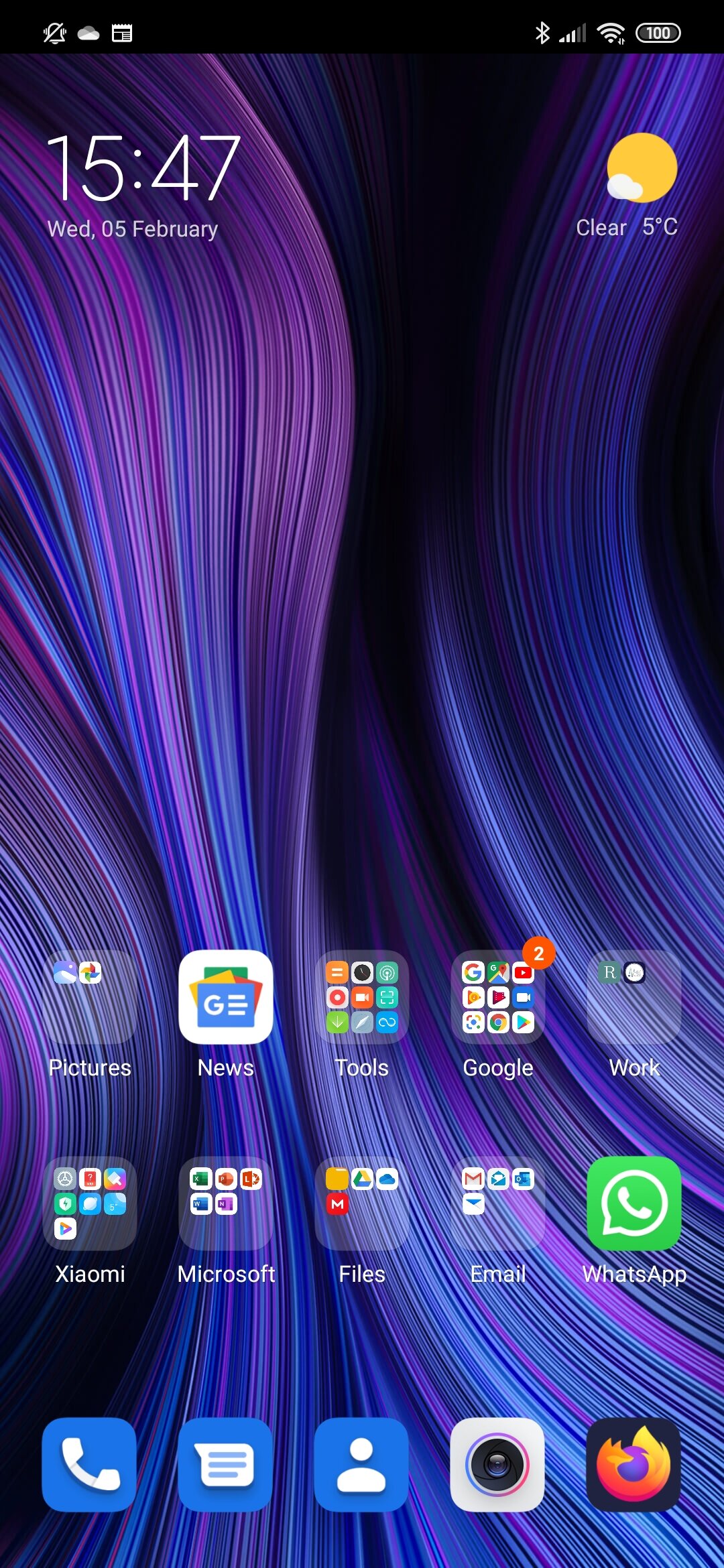
Out of the Box the device runs MIUI 10 on top of Android 9 Pie. However on first boot, the device updates to MIUI 11. MIUI has a reputation for being an iOS clone, and I can see why, no app drawer and similar shortcuts folders, even the colour palette in the settings. But I must say this iteration has definitely got a look and feel of its own and doesnt feel like some rip-off.
I thought this iOS-ness would annoy me. Which it often does. The lack of an app drawer, as found on other Android devices is annoying. Yes, i know I can get a third party launcher. But I’m actually going to stick with it for as long as I can. It works well, incorporates a lot of the gesture navigation from Android 10, Split-Screen is better than “stock” and it is heavily customisable with a dedicated theme store. I am annoyed that there are a lot of pre-installed apps which I can’t hide or disable. Bear in mind my use case though.
This is a device I am using specifically for work. I am not going to have the 300+ apps on it as I do on my OnePlus 7 Pro. Its gonna have some Office, Email, Messaging and specific medical apps. This means even with a bit of folder chicanery, i can have a single homescreen. Lets see how long this lasts. There is a degree of duplication of apps (Mi Browser + Chrome, Mi Cloud + Google Drive) but that’s not unexpected. Whilst i dont expect to be able to uninstall the Mi apps, the fact that the Google services were system apps was surprising as I thought European rules had stopped them doing so.
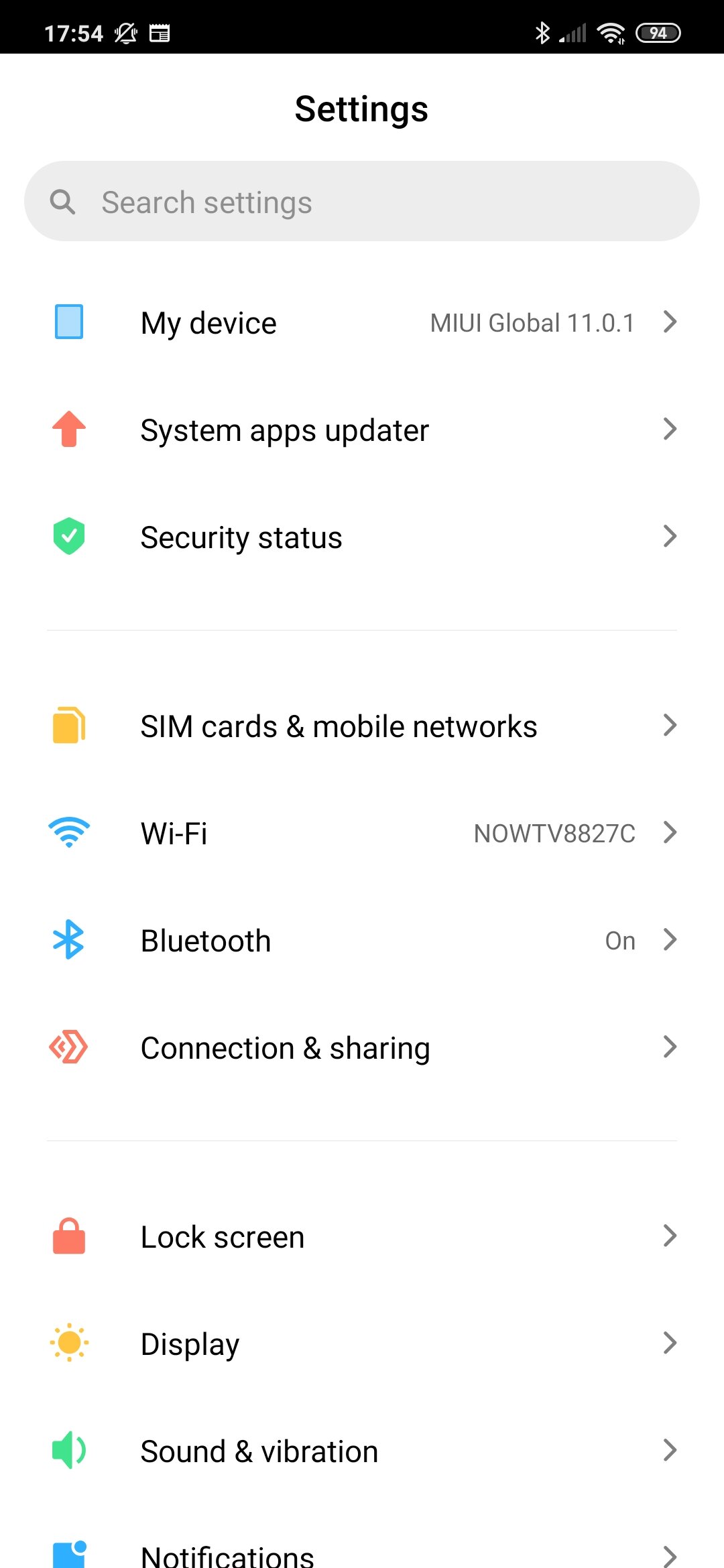
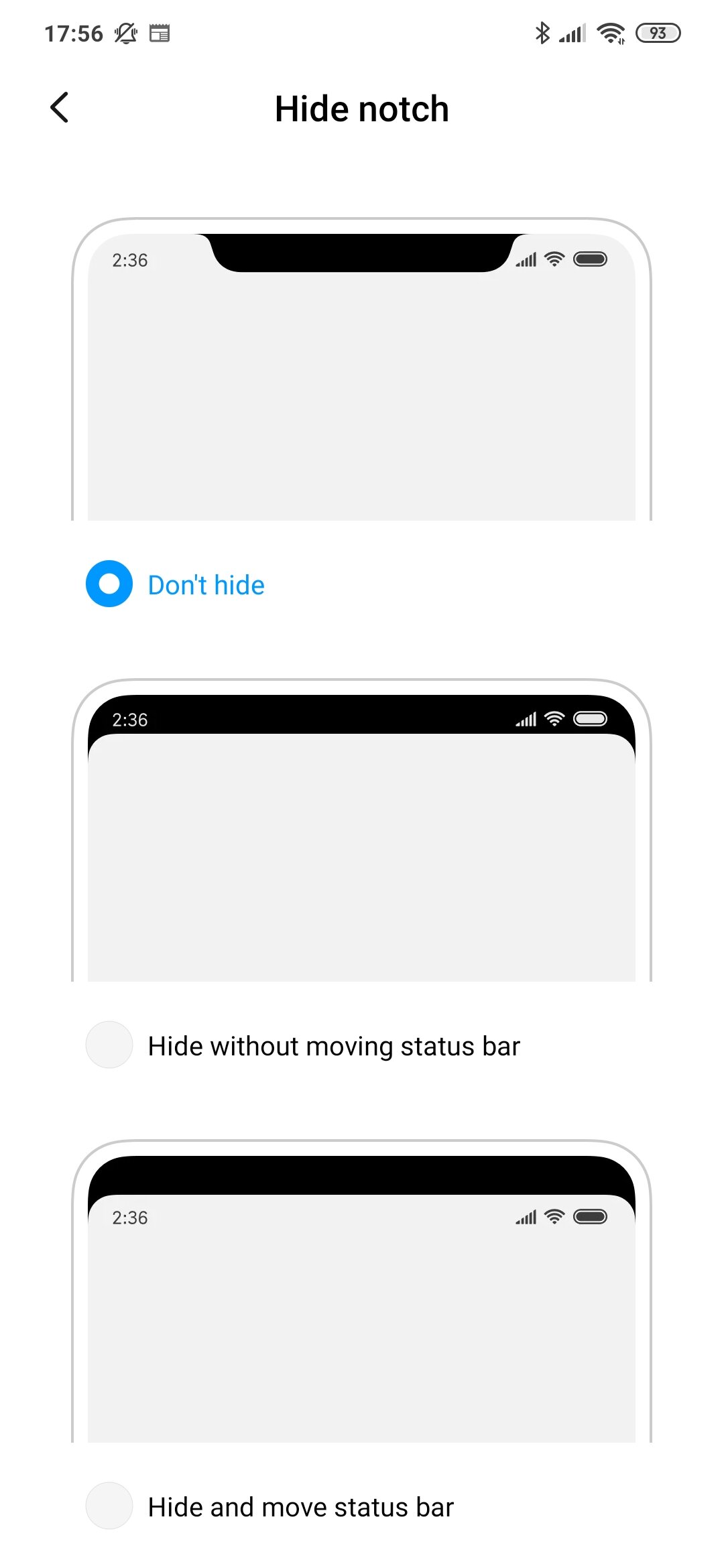
There’s a stack of data management and battery management tools to keep your device running smoothly and as it was “out of the box”. It’s a very granular system and means that you can fully control what each app is doing or can do with your battery and precious data. Stop background data, stop cellular data and more – it’s all there and it’s very easy to understand. You can even decide how the notch looks/behaves!
There is the odd bit of “weirdness”, bluetooth not connecting properly or the Wifi Hotspot being a bit hit-and-miss. Nothing too serious, and it is somethhing that i’ve noticed with XIaomi and MIUI devices before. I’m assuming its software related. Not a deal-breaker though.
PERFORMANCE
I was very happy with the performance. The Snapdragon 665 is verry similar to the 835 of a few years ago. I had no slowdowns, at times there were minute stutters, but I have a feeling this is more to do with miui then anything. The RAM management is aggressive, but since I’m running a relatively small number of apps it wasnt an issue for me. Video playback and Sound quality were good. I think proper AAA gaming might be a bit of a push, but it wouldnt have any problem with most titles.
BATTERY
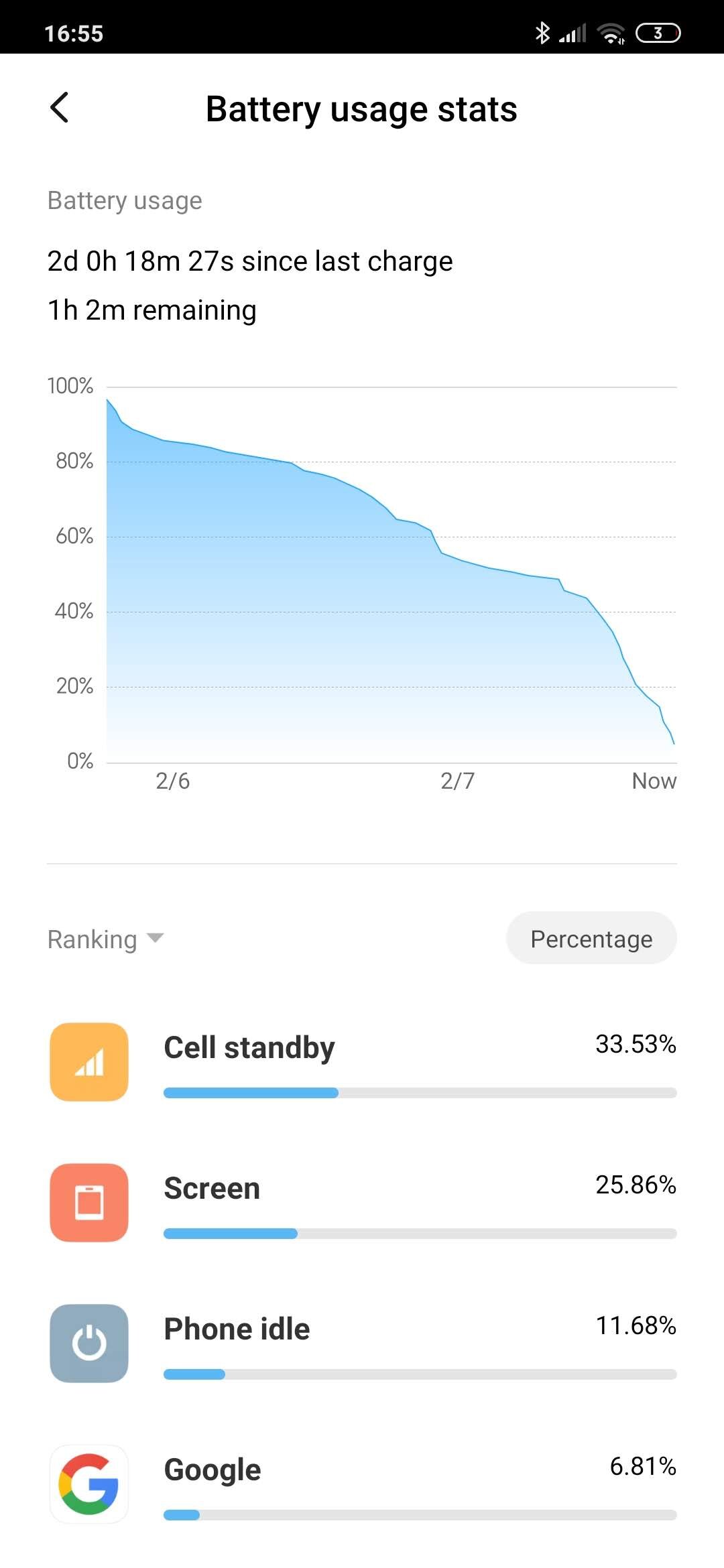
The Note 8T come with 4000mA battery, and with an 18W Fast-charger. There are reviews out there talking of 2 day battery-life. MIUI does have a raft of power-management tools and I actually think this is achievable. Now, I have to qualify this by saying that this is a second device therefore doesn’t get as much use as my primary device. But the fact remains that 24+ hrs after I took it off the charger it still has 55% battery-life left means this is a bloody champ. Very Impressed. It finally died over two days later
CAMERA
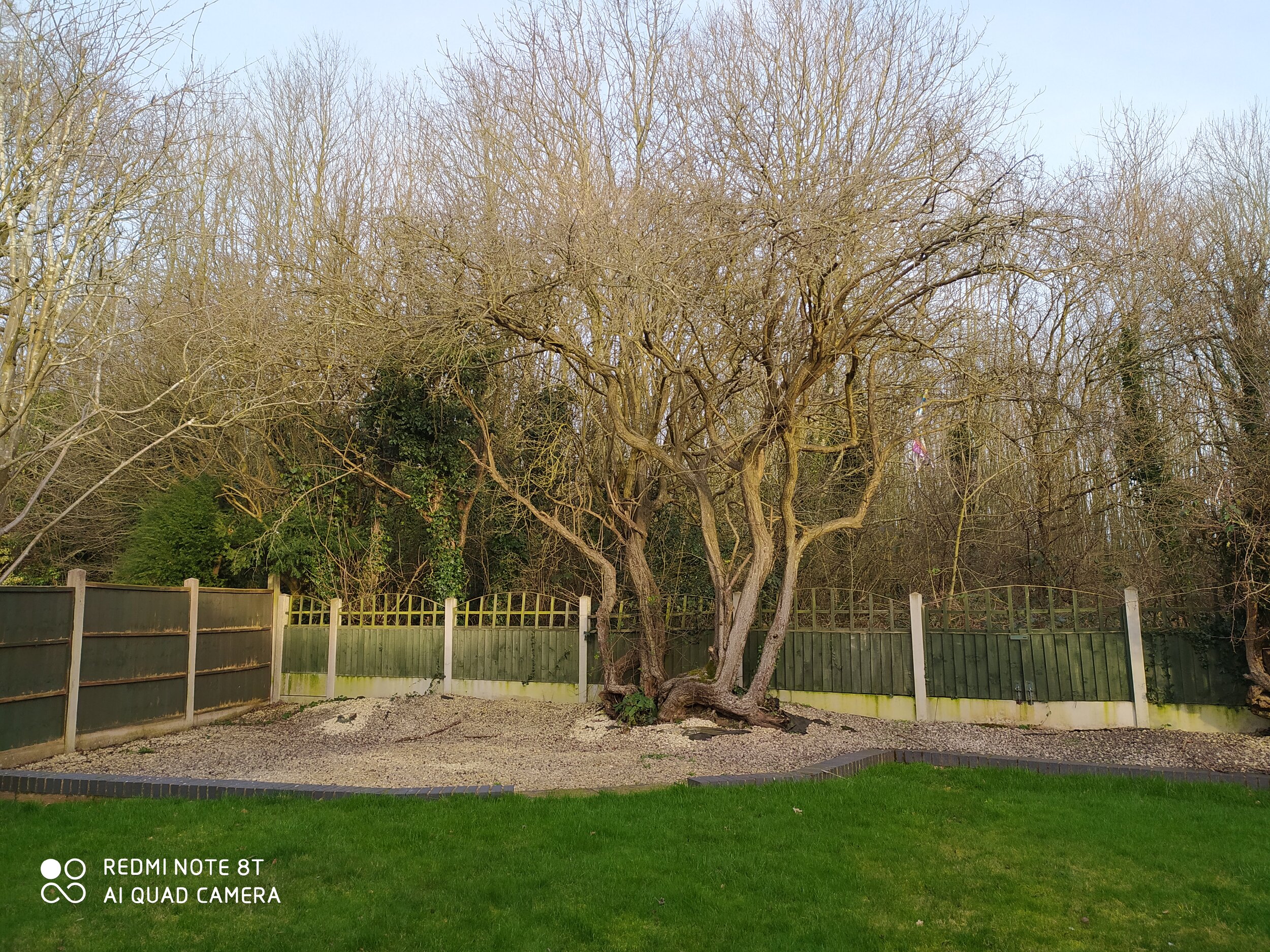
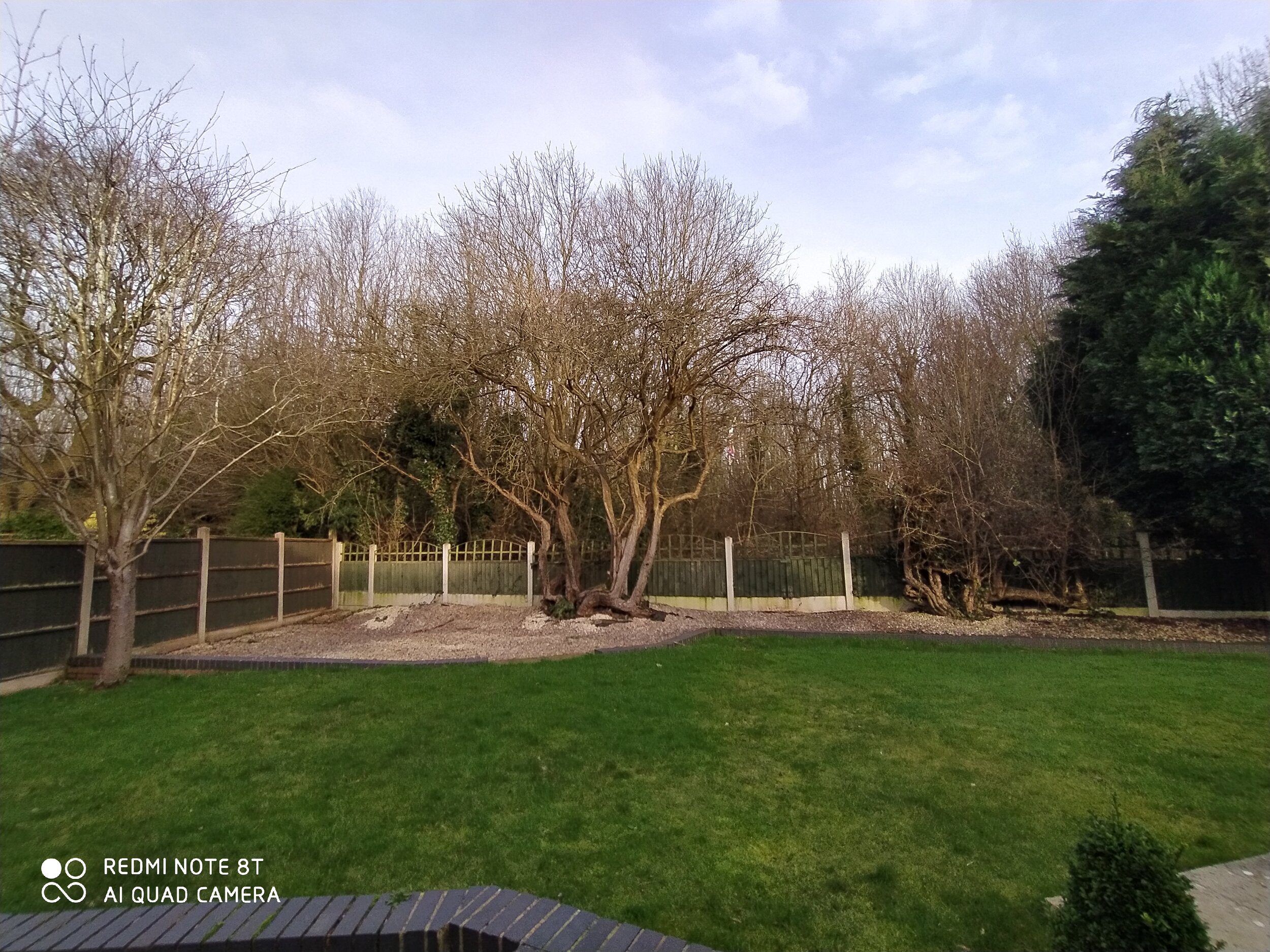
The device has an AI enhanced quad camera system, with a 48MP main lens, with an 8MP wide-angle lens, and a 2MP Macro lens, AND another 2MP depth sensor. All of this means its actually a damn good camera. HDR is switched off by default (for some reason) but all the photos come out very reasonable indeed. There is some degradation of quality in low-light situations, and the Night Mode doesnt do much to enhance night shots. But still good nonetheless. The 13MP front sensor is reasonable at selfies too, with a dedicated portrait mode
Anyway, here are some samples
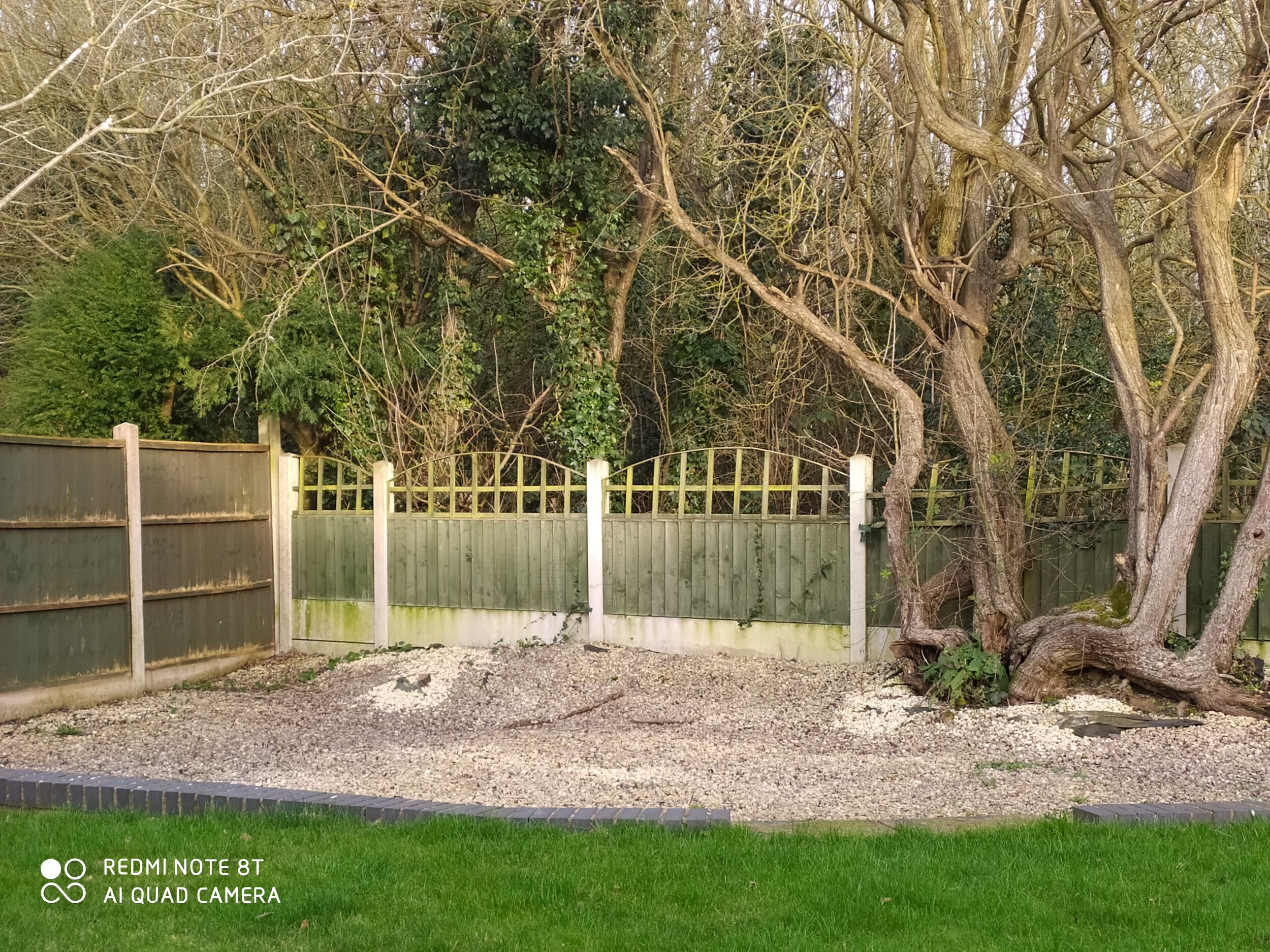


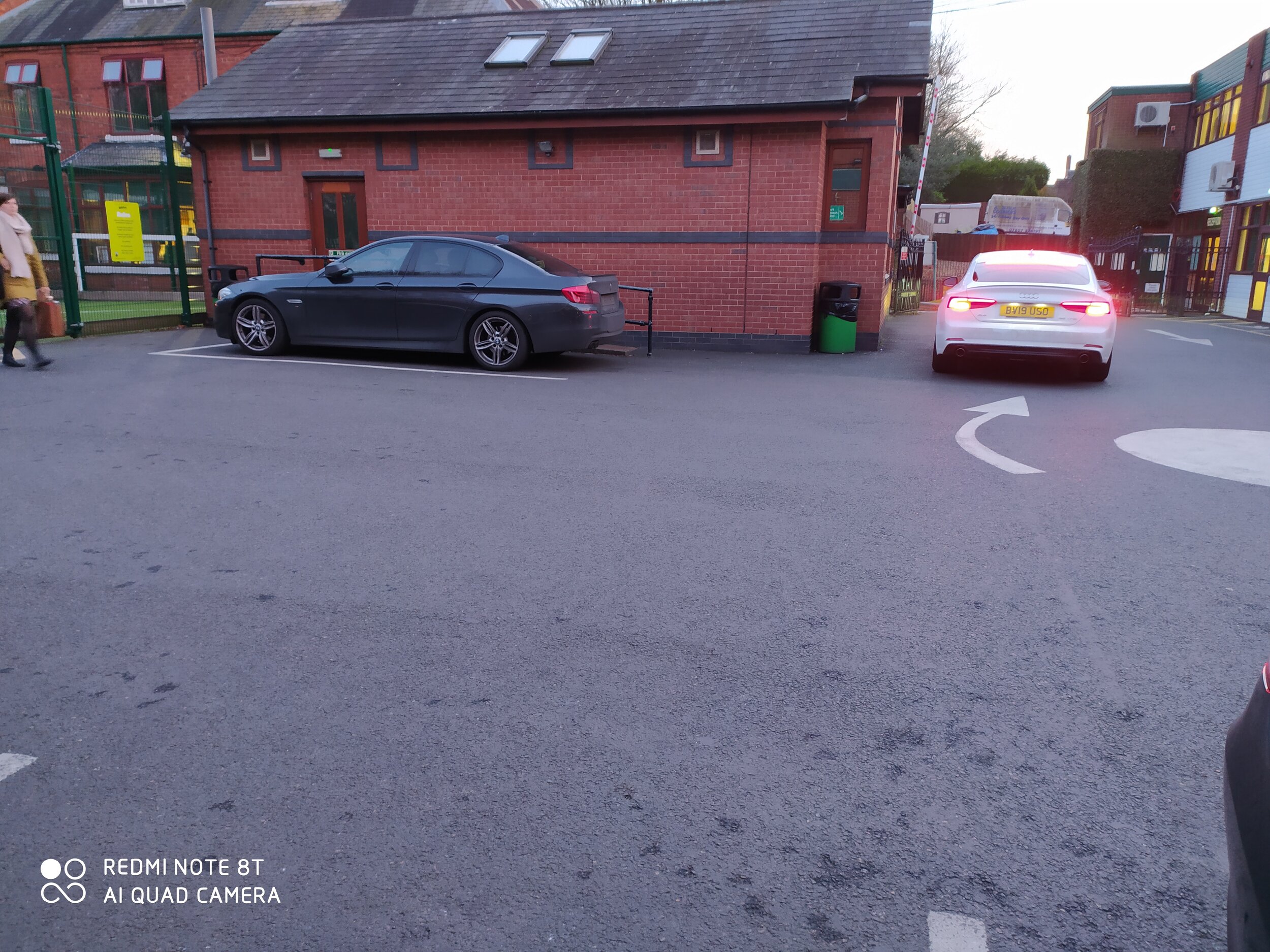
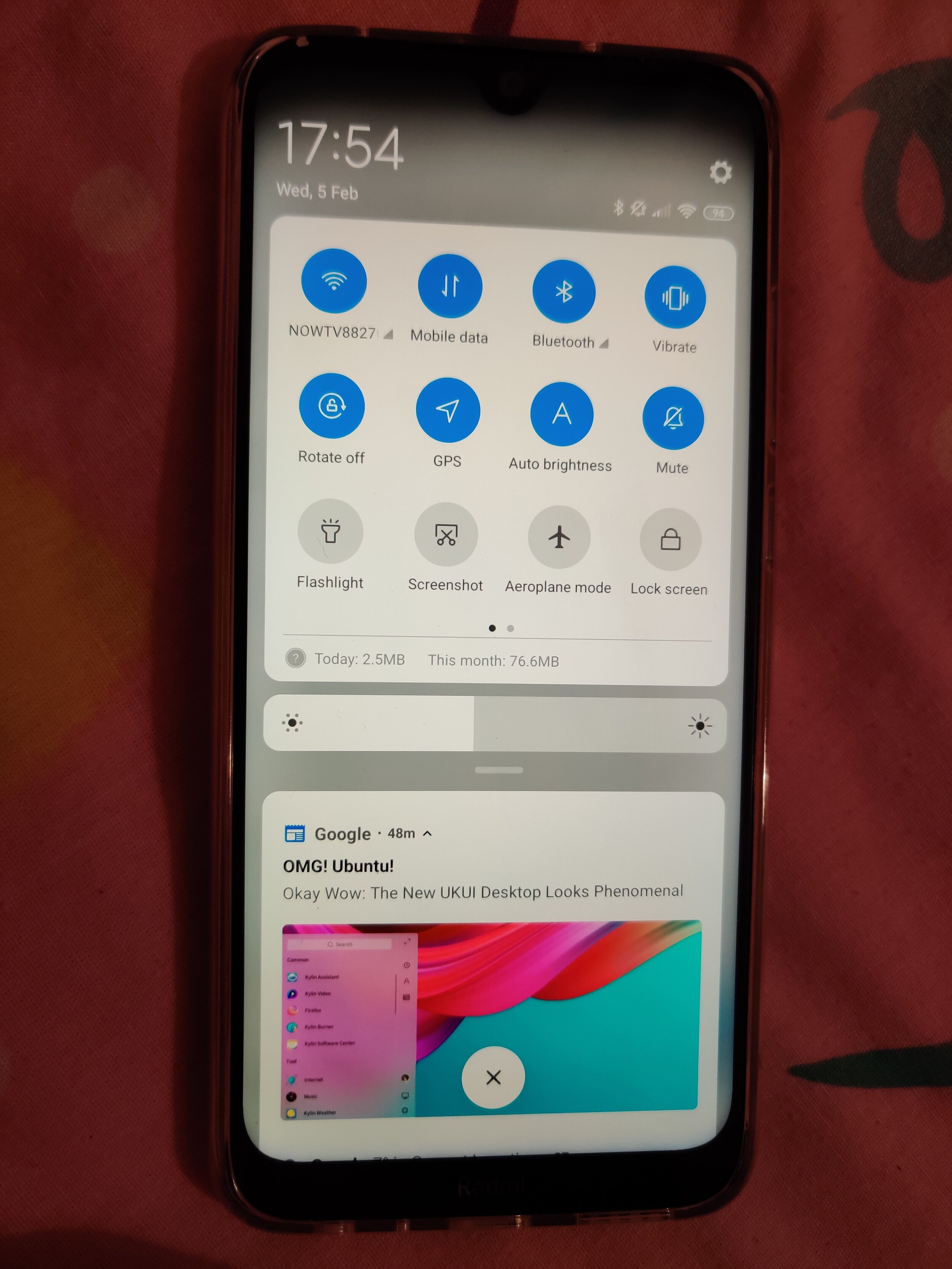
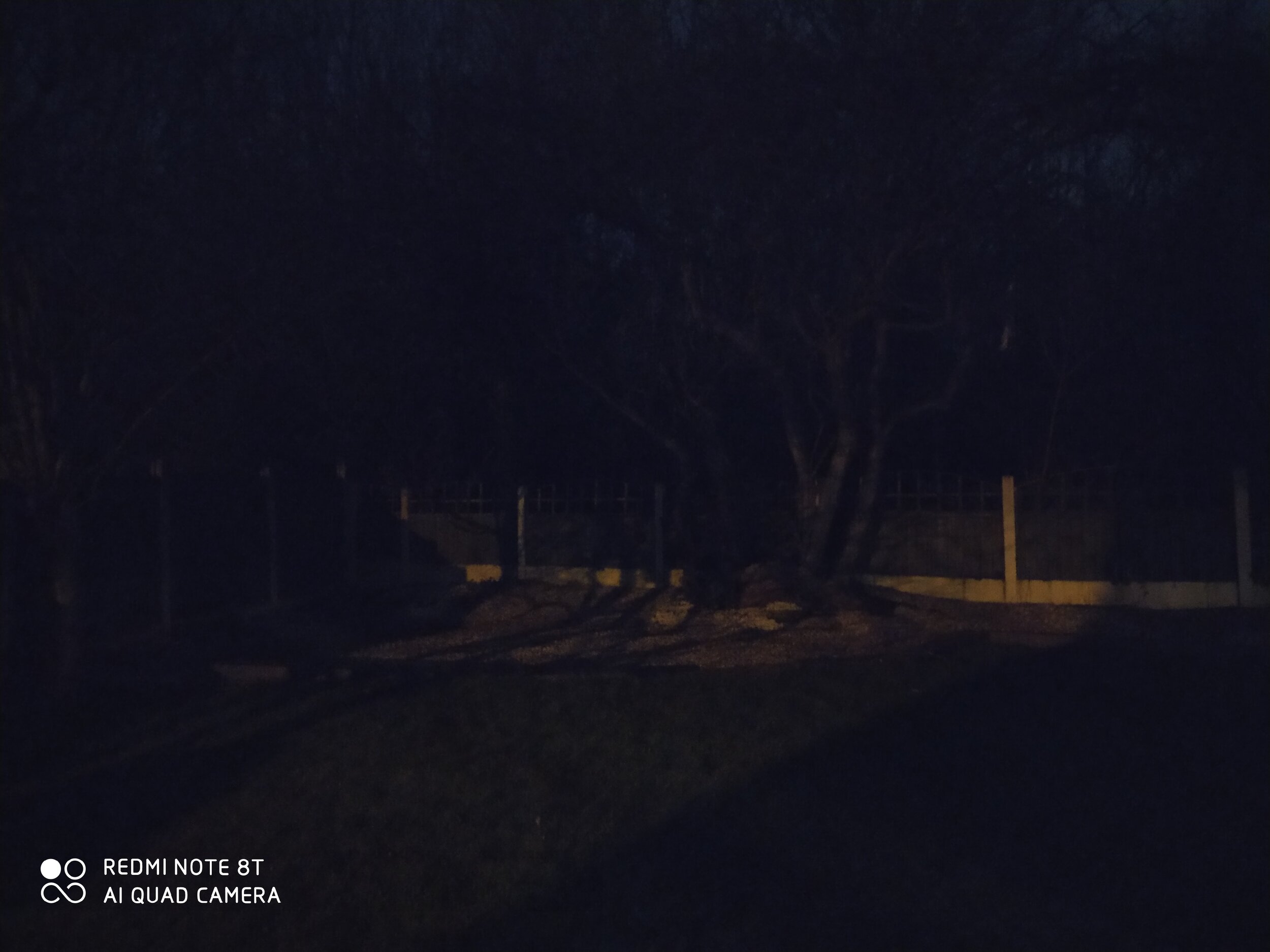

The Video is slightly more nuanced. There is Full HD upto 60fps, whilst eh front facing 13MP sensor maxes out at 1080p@30fps. It seems 4K isnt stabilised, and can be quite choppy. This is also slightly noticeable 1080@60fps, but it wasnt as significant or obvious as the 4k footage. I had a bit of difficulty uploading these, so unfortunately you’ll just have to take my word for it! Maybe we’ll be able to host them on our YouTube Channel https://www.youtube.com/techtravelgeeks
CONCLUSION
You know that thing of “if it sounds too good to be true, it probably is”? Well, this device might prove me wrong. It really has made me think of some preconceptions I had about mobile devices. We have such amazing computer power in our phones, that an unashamedly budget device could legitimately giving an experience up there with the top-end (maybe even flagship) devices. Frankly it could be the daily driver for many people and nobody would even realise the low price.
So in conclusion, I can recommend the device wholeheartedly. Majid says….YES
You can purchase the Xiaomi Redmi Note 8T here: https://amzn.to/38b9LTR

The State of Smartwatches in 2020 - Is there any point?
Smartwatches were supposed the next big thing…in 2014. I still remember driving in my car on my commute from Sunderland to Durham listening the (relative) surprise of the launch of Android Wear. I remember analysts and commentators talking about the seismic change to “wearables” as the next big thing in tech.
Google hadnt been first to the smartwatch game. Samsung had released the OG Galaxy Gear Watch with the Note 4 in 2013 and a fat of third party companies were getting in on the act. Pebble, Fit-Bit etc.
Android Wear (now Wear OS) was the first to be based on Android and controlled by Google. A flurry of devices came, the Galaxy Gear had multiple versions, the LG etc etc
TBH, I was a bit sceptical. It seemed to be a “manufactured” category. What I mean by this is that whilst mobile phones/smartphones had grown organically with progression from the Nokia 3210 days, to sliders, thin phones, flip phones (Moto Razer for example), touch screens and then the seismic shift to smartphones with BlackBerry and of course the iPhone. There was a sense that a product category existed, and companies were competing to make the best product and the consumer was all the better for it. Phone shipments rocketed, smartphones became the norm and internet access became a basic human need (along with food water and shelter).
But in a a capitalist society based around growth, something more was required. Columns and inches were written, Videos published about how this was a “gamechanger”. And of course Apple was about to “invent” the smartwatch with the Apple Watch.

Galaxy Gear S2
It just didnt happen. he public too didn’t seem to be too enamoured with them, I rarely saw “one in the wild”.
But I’m a techie…
So after resisting the magpie urge, I decided to take the plunge in 2016. By then Samsung had dropped Android Wear for Tizen (which worked surprisingly well). It seems the market was maturing and we were getting watches which looked like watches note just mini-smartphones on out wrists (LG Watch anyone?) Although to be fair the OG Moto 360 was first to that.
So I went for the Gear S2 (as shown above). It looked like a watch, ran smoothly, though the battery life was pants. A day max. The app store was a bit bare but I liked the rotating bezel, which seemed to work much better then touchscreens on Android Wear watches.
The problem? It worked best with samsung devices (it did work with others but the health features werent there and there were other severe limitations). It was now another device to get ready and charge. Half the time for sterility reasons they had to be removed in theatre and i wasnt so much into the (basic) health tracking that was there. After about a year, in 2017 I decided that this was an unnecessary piece of kit, sold by big multi-nationals to shore up a saturated smartphone market increasingly dominated by Apple and Samsung. it was surplus to requirements and so I got rid of it.
in late 2019/early 2020, I decided to revist them. I was seeing a lot more Fit-Bits and Apple Watches (the Series 4 seems to be where they really took off). Plus “proper” watch makers like Fossil, Garmin etc were really getting into it. So i decided to try the device in the opening picture. The Mobi TicWatch.
I’m not going to delve into a full review as that deserves a piece of its own. But I will say this. Connectivity is much better. Google Fit gives me a multi-device platform for health tracking (I was on a mission to get health so was often at the gym). Battery-life was 2 day+ (so no remembering to charge everynight) . it looked nice, and its dual LED screen meant even if you did lose battery, it was functional as a simple timepiece.
WearOS still isnt the best or most intuitive. But I found myself getting used to it. When I forgot it at home, I’d glance at my wrist to check notifications only to realise it wasnt there. Similarly if I’d forgotten at the gym then I’d look at my wrist to play the next song on my playlist (Eye of the Tiger!) and then realise i didnt have it. Plus it had the fantastic ability to connect to my phone so i could answer the phone on my wrist Star-Trek style (#80skid #Nerd)
The fitness aspect with Google Fit have also matured nicely and it again comes in handy for step-counts and heart rate monitoring.
I’d got used to life with it. In a way that we are now completely used/dependent on our smartphones, in certain situations this was happening too, e.g. driving and knowing what notification can be safely ignored or I have to pull over and answer.
They weren’t the next big thing, they weren’t the indispensibale future of tech. But slowly they have found a niche, it just took longer then the manufacturers wanted.
When you think about it, they are 6-7 years into their product cycle. The feature-phone also was about 7 years, and the smartphone a bit quicker at 4 years. In fact (despite the big companies efforts’) they just followed a regular pattern in technology.
Me? I’m keeping my TicWatch, might even upgrade. I dont wear it all the time. But I miss it when i forget.

Android vs Windows? or Phone vs PC? - 2020
is Phone>PC?
Some years ago when I worked with my good friends at Coolsmartphone, I wrote a piece on Android vs Windows. https://www.coolsmartphone.com/2016/07/29/android-vs-windows/
I surmised that it wasnt actually the platforms that were the problem, but that the UI’s made the phone superior then the computer in many ways.
We are now in 2020, a new decade. Is that premise still true? In fact is it even MORE true? we have an insane amount of computing power in our phones now compared to 2016 when I first wrote the article. Well-Known Youtuber Juan Carlos Bagnell AKA @SomeGadgetGuy did a recent video ( https://www.youtube.com/watch?v=KbL5Qk3Pilo ) in which he argued that actually you can now do more, and with greater efficiency on your phone then your laptop. Frequent travellers especially would find this interesting. So i decided to revisit this.
SCENARIO 1
I like to think of myself as an aspiring comedian, so when the Harry Meghan Megsit Saga was unfolding a few weeks ago, I decided to make a video overdubbing Prince Charles complaining about the whole situation (in Urdu). https://www.youtube.com/watch?v=wvezjHi8qhM
YesNow I’m not just shamelessly plugging my anaemic YouTube channel. I agree it probably isnt the best video out there, the lip-syncing is wrong etc etc.
BUT
This was all done on my OnePlus 7 Pro in about 45min. That is recording a voice track, finding a video sample of a Prince Charles Speech, editing the video, changing the audio, rendering and then posting it on Youtube. All on the phone using mobile apps
FORTY-FIVE minutes, I didnt even switch my laptop on.
SCENARIO 2
I have been involved in some interviews and investigations in my role at the hospital. I also go to many courses and meetings. Windows 10 has great Inking and Stylus support and the OneNote App is great.
The other day, i just had to open a file, review the pdf, amend, and sign. Time for my trusted Lenovo Miix. Something that this device wouldve been built for right? Yes….
BUT
For some reason Windows had difficulty connecting to my Wifi, and in the end i just gave up and used my Galaxy Note Tab A + Spen (not the most common tablet out there, but a bloody good one, snap one up if you can) and in the time Windows finally connected and downloaded the files, I had already done the necessary edits, signing, inking and emailing. Max 10 minutes.
AND YOUR POINT IS?
in 2016 when i first discussed this topic, it was true of “quick” tasks like emailing and quickly editing a file. Now in 2020, in addition to those. Proper content creation can be done mobiles. On the go, no specific extra equipment required. I have even heard of a an Indian News Channel (NDTV) doing some of their studio filming on a Galaxy Note 10!
Juan is right. Maybe the phone in your pocket is all the computer you need.

Redmi Note 8T Review - Introduction: How the NHS made me decide to get a Xiaomi
An introduction to what brought Majid to purchasing a Redmi Note 8T.
Xiaomi has really hit it out of the park over the last few years. Coming from relative obscurity in the West 5-6 years ago, to now being one of the biggest consumer electronics brands in the world. There have been major successes such as the Mi 9T, the Mi A Series, as well as sub-brands like Redmi and Pocophone. They have brought innovation, great features at amazing prices to audiences worldwide.
I have owned a number of Xiaomi devices in the past, from the original Redmi Note to the Mi 9T (Redmi K20). Every time I have been wowed by the design, the features and the value for money.
But… (there is always a but)
MIUI, Xiaomi’s version of Android, is not my favourite android skin (sorry Matteo, I mean distribution). I am not a “Stock” Android purist, I have had many different devices over the years, and things like One UI (from Smasung), LG UX (from, you guessed it, LG), EMUI (from Huawei), and others, each bring their own value and features to each device. I even wrote an ode to Samsung’s old TouchWiz once! (https://www.coolsmartphone.com/2016/08/24/an-ode-to-touchwiz-surprisingly/) and really liked One UI on my (stolen) Galaxy Note 9.
Just for clarification, I say “Stock” in quotes as there is really no such thing: there is the Android Open-source Project (AOSP) on which OEMs build their own experiences, Google included. My personal favourite is Oxygen OS from OnePlus which is fast, configurable and updated regularly.
MIUI is a bit too much for me. It looks and behaves too much like iOS (Apple’s mobile operating system). I think MIUI feels heavy, bloated, and full of unnecessary apps. I couldn’t disable or hide, let alone uninstall, the apps or services I didn’t want in most cases. MIUI 10 on the Xiaomi 9T (Redmi K20) has improved a lot in this space, but basically after using the OnePlus 7 Pro, I just couldn’t deal with MIUI, and so like many of my previous devices it got sold or passed on to someone who would benefit more from it.
I’m not a professional reviewer or influencer at Tech Travel Geeks yet, so companies haven’t sent me stuff to review recently. I have use my hard-earned cash when choosing and purchasing devices. So having made that clear, why did I end up purchasing a Redmi Note 8T?
The reason is my employer, the national institution which is the National Health Service also known as the NHS.

Now before you ask “what in the world of all that is holy in the Linux kernel”, I need to provide you with some context.
The NHS is a cash-strapped organisation, this isn’t big news to nobody. IT support and software vary widely round the country due to the nature of the regional organisation of the NHS and procurement being different and varying between Trusts and Hospitals. This is in part due to limited oversight from the Department of Health when it comes to the day-to-day running of the NHS. In this environment, its not surprising that IT has its challenges. Most machines with desktop operating systems are only just getting updated to Windows 10. Much software in use feels like it could have been written by an 8 yr old with Amiga BASIC, and there are also considerations around legal requirements of Information Governance and patient confidentiality in the mix.
There have been some successes withing the English NHS as well: I would like to give a shout out to Dr Li (https://twitter.com/ywl197) for his work in integrating patient records. There have also been successes in electronic patient observations and even tele-medicine. But these differ from hospital to hospital and do so wildly sometimes.
As a junior doctor, IT support wasn’t really front and centre for me. I was rotating around hospitals frequently, doing night-shifts, all while sitting professional Royal College exams. As long as I could do what i needed to do at work, then that was enough for me. That’s the sort of background to how I got my Lenovo Miix 510 (https://www.techtravelgeeks.com/blog/2018/10/10/the-perfect-travel-laptop-which-doesnt-break-your-wallet) which fulfilled my needs, and I had a desktop computer at home for when i needed to make presentations/write papers and needed a full desktop experience.
Now that I have been a consultant for almost 5 years and am a permanent employee of the NHS, my outlooks on matter have changed. When I look at my friends working in (non-healthcare) companies, i see they get company laptops, company phones, company cars and anything else they need to do their job.
Me? I just have my trusted Lenovo Miix and use whatever phone I own at that point. I could try and get a Trust-certified device, but I’m not sufficiently up the management food-chain for that yet.
I have at many times decided to use multiple devices at once, hence the hashtag #Dr2Phones, but I’m nowhere near our Chief Mobile Opinionist’s levels. This is probably because I’m a tech enthusiast (and seem to have no interest in paying enormous mortgage according to my wife). I like to try out different things and see what form factors and software experiences work for me. Having said that I have never reached the stage where i needed 6 phones (looking at you Matteo).
This all leads me to the situation where my personal phone and SIM card is what I use at work. I’ve always had some reservations about this, but as a Doctor it is what I have been doing for the 17 years. I just get it done. Most of my colleagues are in the same situation, and don’t seem to be having issues around this.
Recently this was now starting to have an impact on my personal life. I found myself replying to work emails when out on a Saturday night with friends or answering clinical queries via a WhatsApp from junior colleagues in the evening.
This situation has ramifications: I find difficulty switching off and detoxing from tech. I also found this was causing disruptions to my family-life and blurring of professional boundaries. Generally, this could have caused trouble.
Therefore at the beginning of this year (and decade), i resolved that it was time to compartmentalise fully. It was time to make a clear separation between my work and personal life. This meant that my personal phone number would be separate from my work number. I tried this on a dual SIM device, but again that was a non-starter as I just kept on getting “dragged back in” as Al Pacino said in The Godfather 3 because notifications still popped up.
I decided it was time for a new smartphone. Unfortunately, my stolen Samsung Galaxy Note 9 had left me severely out of pocket. I could have gone for a carrier provided device and SIM, but I couldn’t seem to find the right fit (is it me or has carrier choice/value in the UK decreased significantly?). Plus I already had another SIM and you always tend to save money buying outright over a couple of years.
As an NHS England Consultant Anesthesiologist what do I need from a work phone? Well, the same things you want from a good travel phone (see what I did there?).
The list is like this:
Good battery life
Descent performance
A reasonable camera (for scanning documents)
A nice screen to facilitate editing files
That’s basically about it. I also want a work device to be inexpensive. I am very conscious that I am lugging around almost £1000 worth of equipment in my bag at work, and security is a problem in some hospitals. I also work in operating theatres where there are communal areas outside the theatres themselves lockers are limited. The whole point of this exercise is to enable me to be contactable, especially in an emergency. There is no point in making the upgrade if your phone is sitting in your tiny locker and not getting used for what it’s for.
I thought of just getting something like the Nokia 1 or current equivalent budget smartphone. Frankly I needed and wanted a bit more horsepower, and whatever I thought of MIUI (Xiaomi’s Android distribution) I knew that Xiaomi was a brand I could trust with quality and security/OS updates rather than other branded devices. Yes I could have gone the whole hog and spent more and got something with enterprise-grade security (e.g. Samsung with Knox, Pixel with the Titan M chip or the recently departed Blackberry KeyNumber device) but the price factor always came back into play. Remmber, this was my own money I was spending.
I shopped around, and came across the Redmi Note 8T. It looked good on paper, the symmetry of having had the first Redmi Note in 2015 and now have the 8th one appealed to my sentimental side… And what I got for £150 astonished me.

This has been a bit of a long intro, thanks for reading all the way here if you made it. I hope the scroll indicator on Tech Travel Geeks caught your eye while you read.
And on that (Redmi) Note (8T), I’ll leave you dangling: Part 2, where I actually review the device, is coming soon to Tech Travel Geeks!